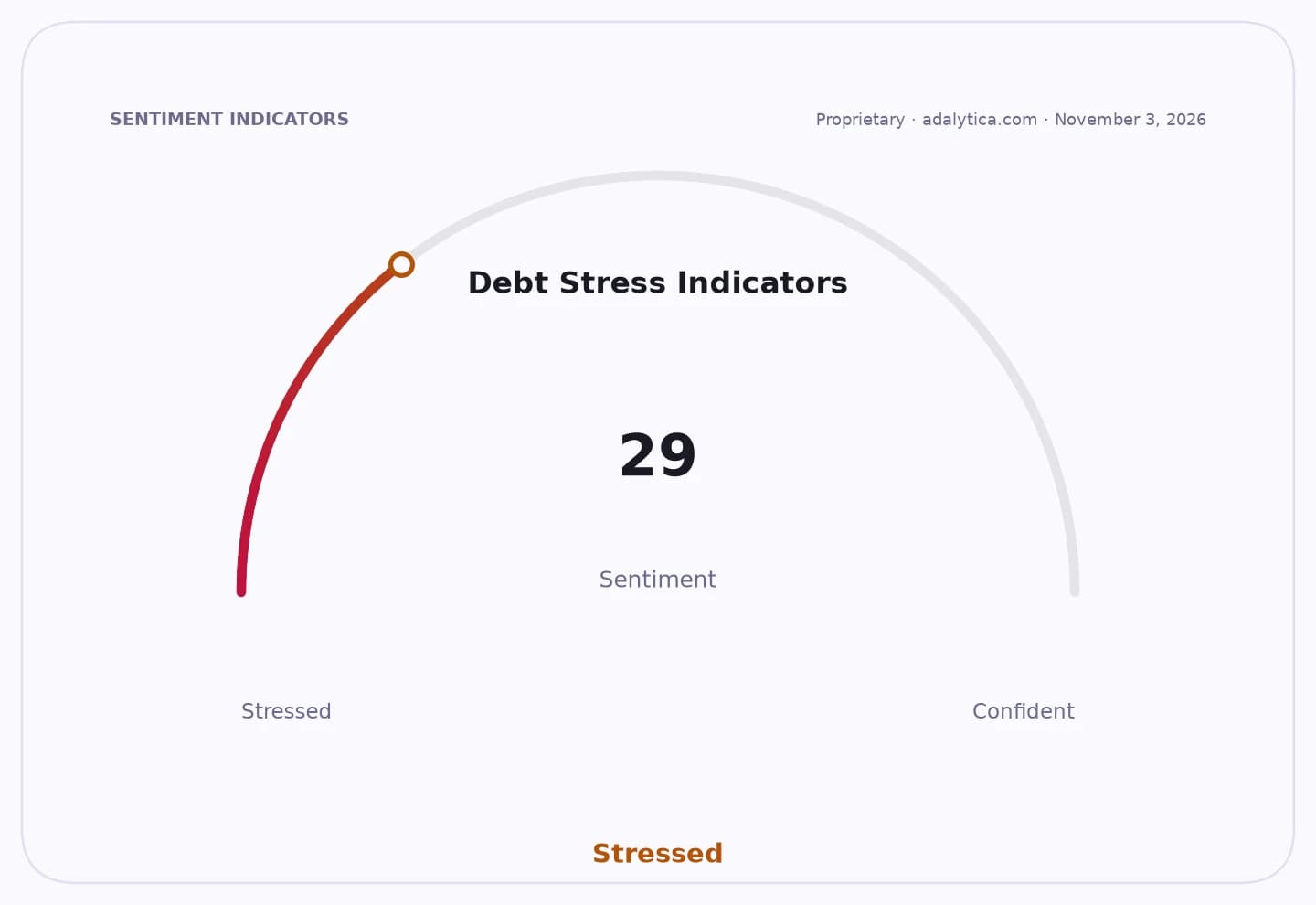
Tulum’s municipal government has authorized a new short-term loan of up to 75 million pesos even as it still has an outstanding 50 million peso credit from December, underscoring tightening liquidity at one of Quintana Roo’s fastest-growing tourism destinations.
Tulum approves 75 million peso short-term loan

The borrowing matters because it is not being used to fund new infrastructure or expansion, but to keep basic public services running: payroll, year-end bonuses, police salaries and garbage collection. In other words, the municipality is tapping debt to bridge cash flow rather than finance growth, a sign that lower-than-expected collections are filtering into day-to-day operations.
Sentiment Indicators
The council approved the measure by majority vote at a video session, with only municipal trustee Rifka Queruel opposing it. She criticized the lack of prior information and said the administration could not claim healthy finances while resorting to another loan. Treasury chief Raziel Ek Cruz said the financing would be short term and repaid in the first half of 2027, and that the municipality would compare bids from three banks, with an indicative rate of 6.65%.
The earlier 50 million peso loan was taken with Banorte in December and was also presented as a preventive step to protect municipal operations. This time, the treasury said declining revenue justified fresh borrowing, but it did not present figures during the session to substantiate the drop or disclose the remaining balance on the prior loan, leaving unanswered questions about the scale of the funding gap.
That lack of detail matters for investors and creditors because short-term municipal borrowing can become a rolling dependency if revenues do not recover quickly. If Tulum is forced to refinance operating needs repeatedly, debt service costs will climb and fiscal flexibility will shrink, even if the nominal borrowing level remains modest. The risk is less a balance-sheet crisis than a gradual erosion of operating room, especially if tourist-related taxes or local collections underperform.
For banks, the transaction remains relatively small, but it fits a broader pattern of stressed local public finances leaning on short-dated credit. That can be manageable when collections are stable and repayment is timely. It becomes more problematic when governments borrow to cover wages and essential services while providing limited transparency on cash generation and existing liabilities.
The next catalysts are straightforward: whether Tulum actually draws the full 75 million pesos, which bank wins the mandate, and what the final all-in cost of the borrowing will be. Until then, the key story is not just that the municipality is taking on more debt, but that it is doing so before the previous loan has been settled, a sign that fiscal strain is still present beneath the surface of a booming tourist brand.
| Entity | Gains | Losses |
|---|---|---|
| Tulum Ayuntamiento | ▲Near-term liquidity | ▼Higher debt burden |
| Municipal workers/services | ▲Continued payroll funding | ▼Fiscal pressure risk |
| Banks | ▲Lending income | ▼Credit exposure |
| Local taxpayers/creditors | ▲Operating continuity | ▼Less budget flexibility |