Turkey’s 2027 minimum wage negotiations are set to become a major test of how far policymakers are willing to let pay catch up with inflation after workers lost an estimated 6,196 lira in purchasing power in the first eight months of this year.
Turkey 2027 Minimum Wage Talks and Inflation
The government’s Medium-Term Program projects 2026 year-end inflation at 28.4%. If that forecast is translated directly into the wage formula, net monthly pay would rise from 28,075.50 lira to 36,048.94 lira in 2027, an increase of 7,973 lira. If the 2027 inflation target of 21% is used instead, the minimum wage would land closer to 33,971 lira.
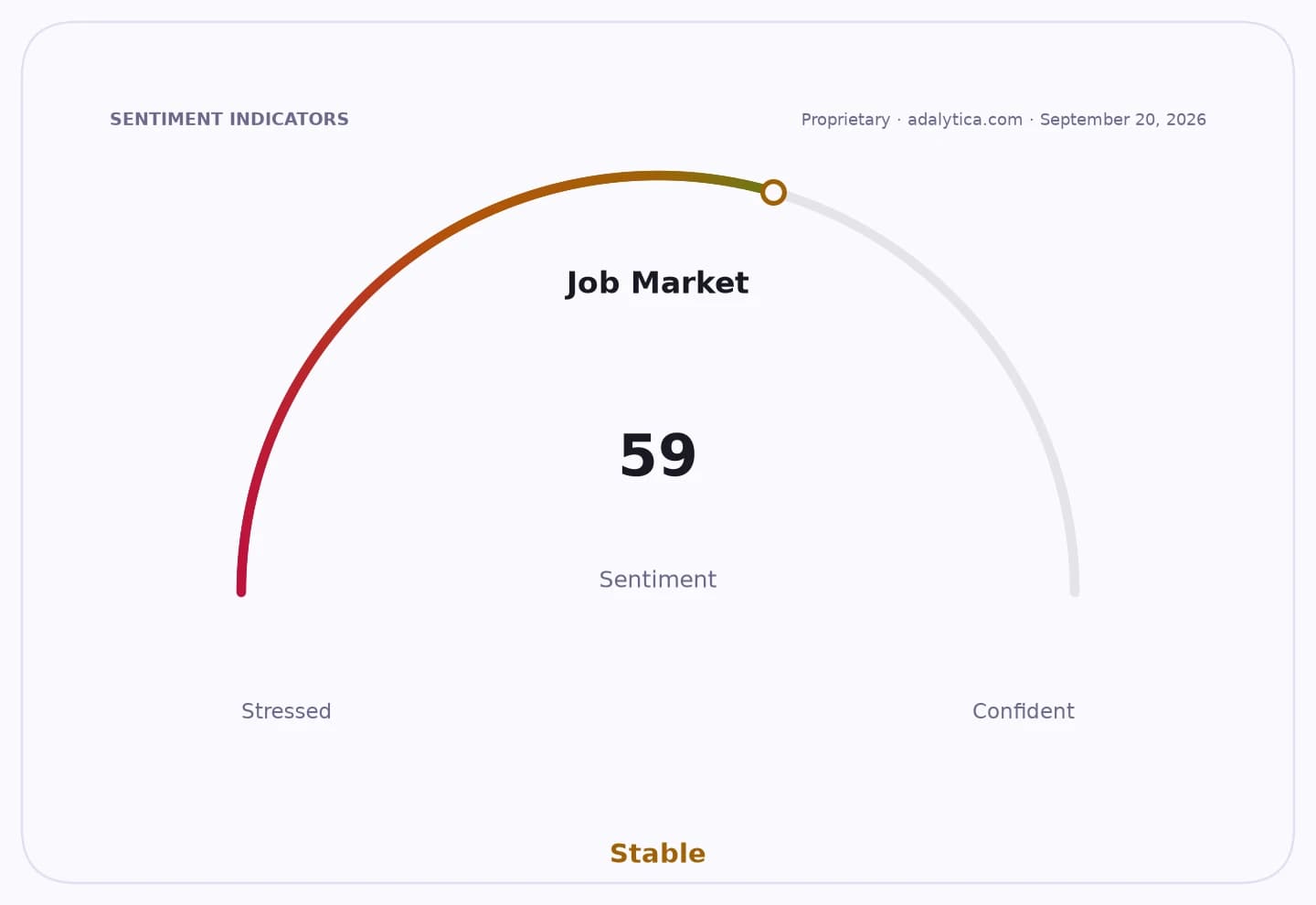
Sentiment IndicatorsⓘProprietary · adalytica.com · September 11, 2026
This is a snapshot — live sentiment, awareness and momentum for 130+ markets update continuously in the dashboard.Open AlphaPulse
The gap between those scenarios matters because the minimum wage in Turkey is not just a labor issue. It feeds into employer payroll costs, social security contributions and broader household spending power at a time when inflation remains high and basic necessities are still rising faster than the headline rate.
Official data showed annual inflation at 31.51% in August, while food inflation reached 33.79%, transportation 35.08% and housing 39.77%. Those categories hit low-income households hardest and are likely to give labor representatives an argument for seeking an increase above the government’s inflation-based calculation, plus a possible real-wage catch-up and a welfare premium.

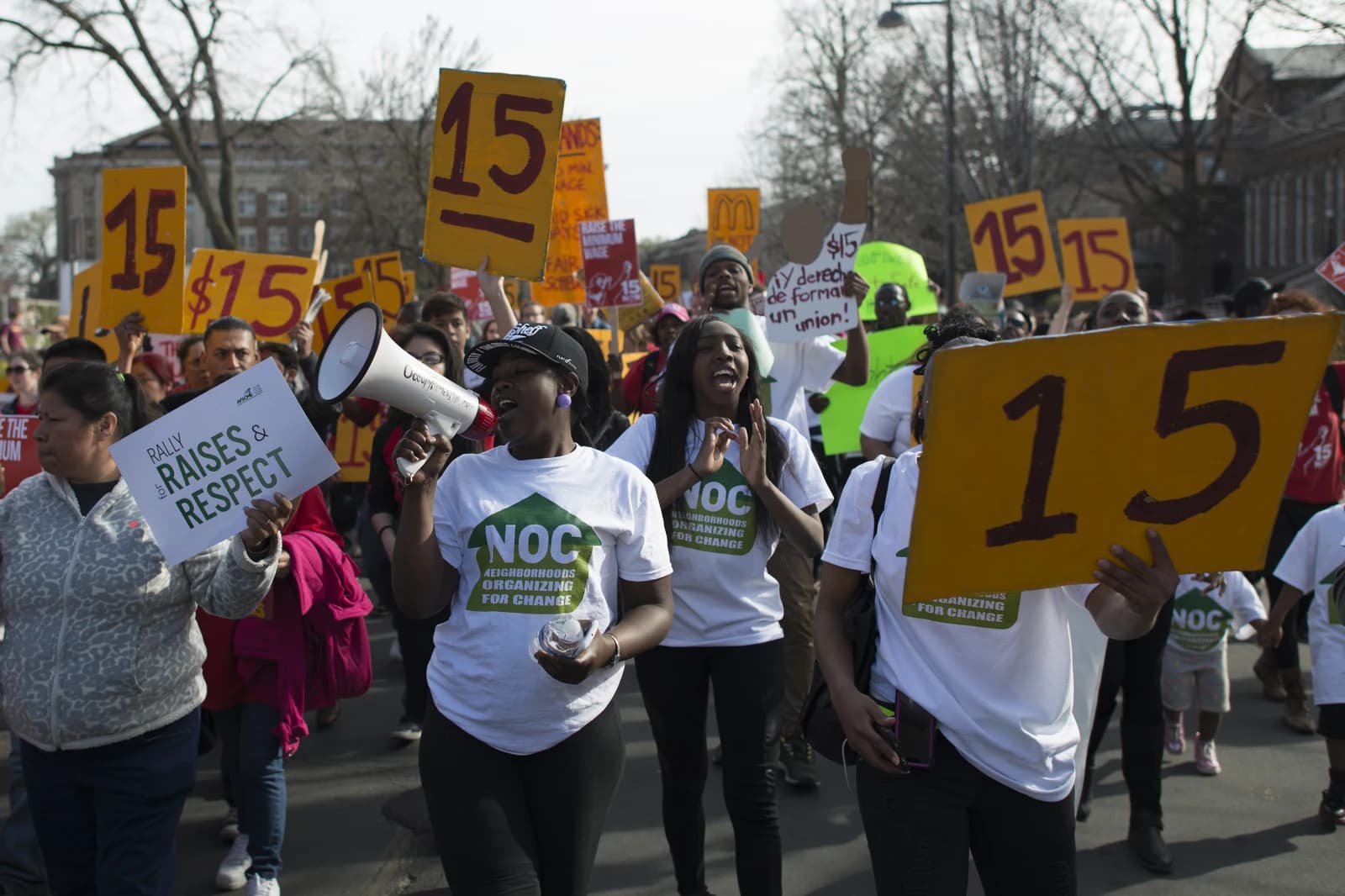
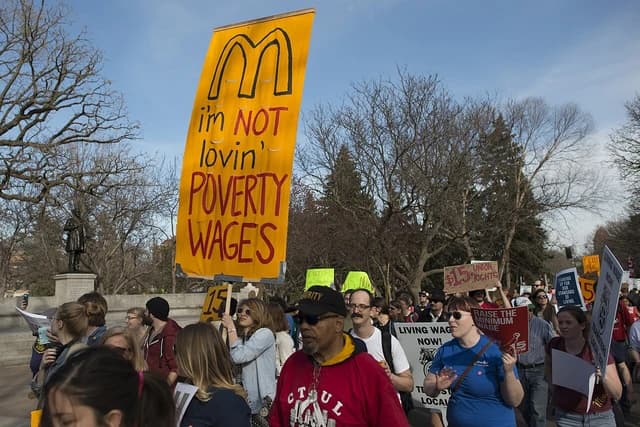
The 2026 minimum wage was raised 27% at the start of the year, but that increase has already been eroded by inflation. Labor groups are expected to press in December’s bargaining for compensation of lost purchasing power rather than simply accepting the government’s forecast as the benchmark.
The talks, which typically begin in mid-December and conclude before year-end, will set the tone for wages across the economy and could influence spending, margins and hiring decisions into 2027. For investors, the key risk is that a larger-than-expected increase would add cost pressure for labor-intensive businesses while offering some support to consumer demand if households see a meaningful boost in real income.
| Entity | Gains | Losses |
|---|---|---|
| Low-wage workers | ▲Higher take-home pay | ▼Inflation erosion if raise is small |
| Employers | ▲Predictable wage formula | ▼Higher payroll and social costs |
| Consumers | ▲More spending power | ▼If inflation stays elevated |
| Government | ▲Social stability | ▼Pressure from unions and firms |