A new confectionery opening in Turkey’s Amasya is testing how far consumers will go for novelty and status, selling silver-coated lokum at 5,000 lira per kilo as an alternative to an even pricier gold-coated version at 10,000 lira.
Turkey Amasya shop sells silver lokum at 5,000 lira
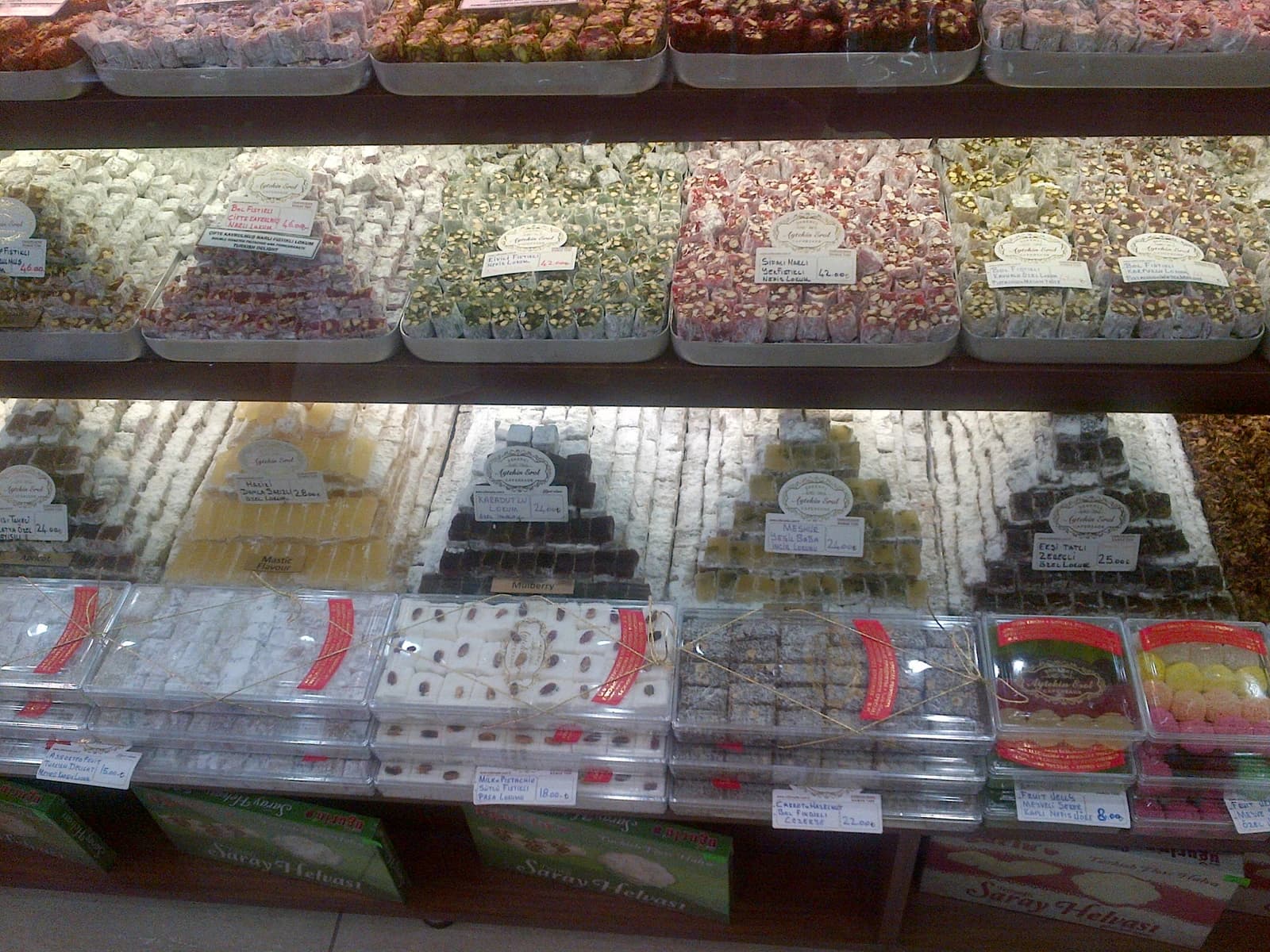
The business case is less about mass demand than premium positioning. In a country where household budgets remain under pressure and inflation has pushed consumers to scrutinize non-essential spending, the product points to a wider split in the food sector: value brands are fighting for volume while niche producers are monetizing spectacle, gifting culture and local tourism.
Sentiment Indicators
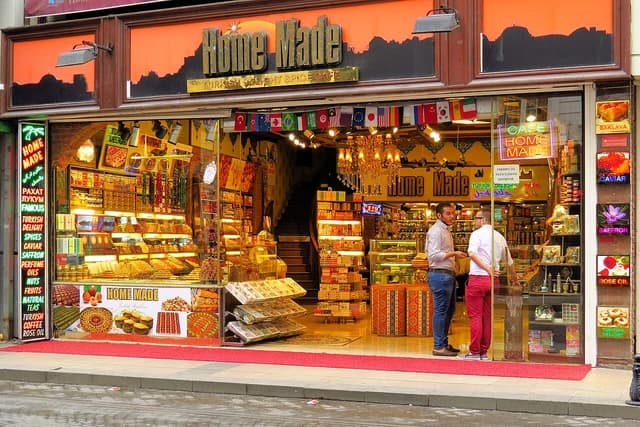
The lokum, a traditional Turkish sweet, is being marketed as both indulgent and visually distinctive. According to the shop, the products contain almonds, pistachios, currants, cream and kaymak, and are decorated with edible gold and silver that comply with food regulations. Customers were offered samples for free at the opening, suggesting the strategy is to turn curiosity into repeat sales and social-media visibility rather than compete on scale.
Owner Selim Kaya said the gold-coated version had already attracted attention from columnists, with some readers calculating the value of the gold inside. The silver version is meant to widen the appeal while keeping the brand firmly in the luxury lane. That matters economically because it shows how small food businesses are leaning into margin-rich differentiation at a time when mainstream demand is more price-sensitive.
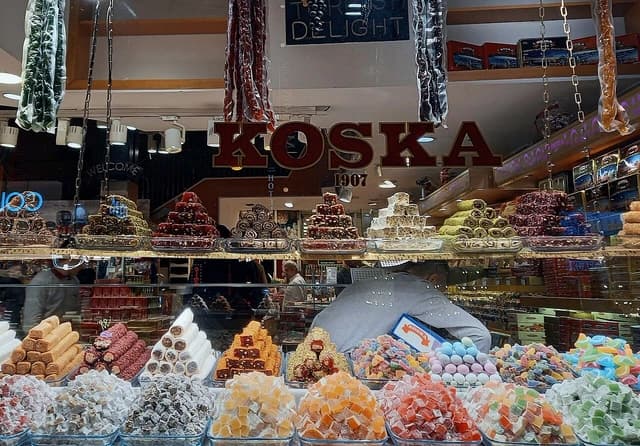
For investors and market watchers, the story is a reminder that in consumer goods, branding can matter as much as inputs. Gold and silver decorations are not a large industry in themselves, but they illustrate how artisanal and regional food producers can command outsized pricing when they tap into tourism, gifting and local identity. The presence of local officials at the opening also underscores the importance of these businesses to city branding and small-town commerce.
The bull case is that such products can lift average ticket sizes and help specialty food makers defend margins even in a weak consumer environment. The bear case is that demand is likely to remain limited to novelty buyers, making the concept dependent on constant attention and foot traffic rather than durable volume growth.
For Amasya and similar tourism-driven markets, the bigger message is that premiumization is still alive — but only at the very top of the price spectrum, where tradition, spectacle and exclusivity can justify a confectionery that costs more than many staple groceries.
| Entity | Gains | Losses |
|---|---|---|
| Köylüm Gurme | ▲Higher margins | ▼Mass-market volume |
| Premium lokum buyers | ▲Novelty, exclusivity | ▼Cash outlay |
| Mainstream confectionery rivals | ▲Benchmark for premium pricing | ▼Attention and differentiation |
| Price-sensitive consumers | ▲None | ▼Affordable dessert options |