A 850-gram white truffle sold for 100,000 euros at an auction in Alba, Italy, underscoring how scarcity can still command luxury-level prices even in a softer consumer backdrop.
White truffle auction in Alba fetches 100,000 euros
The sale matters because white truffles sit at the intersection of gastronomy, tourism and ultra-premium discretionary spending. Unlike diamonds or gold, they are perishable and cannot be cultivated like their black counterparts, which makes supply highly dependent on weather, soil conditions and harvest quality. That scarcity, not branding, is what drives the market.
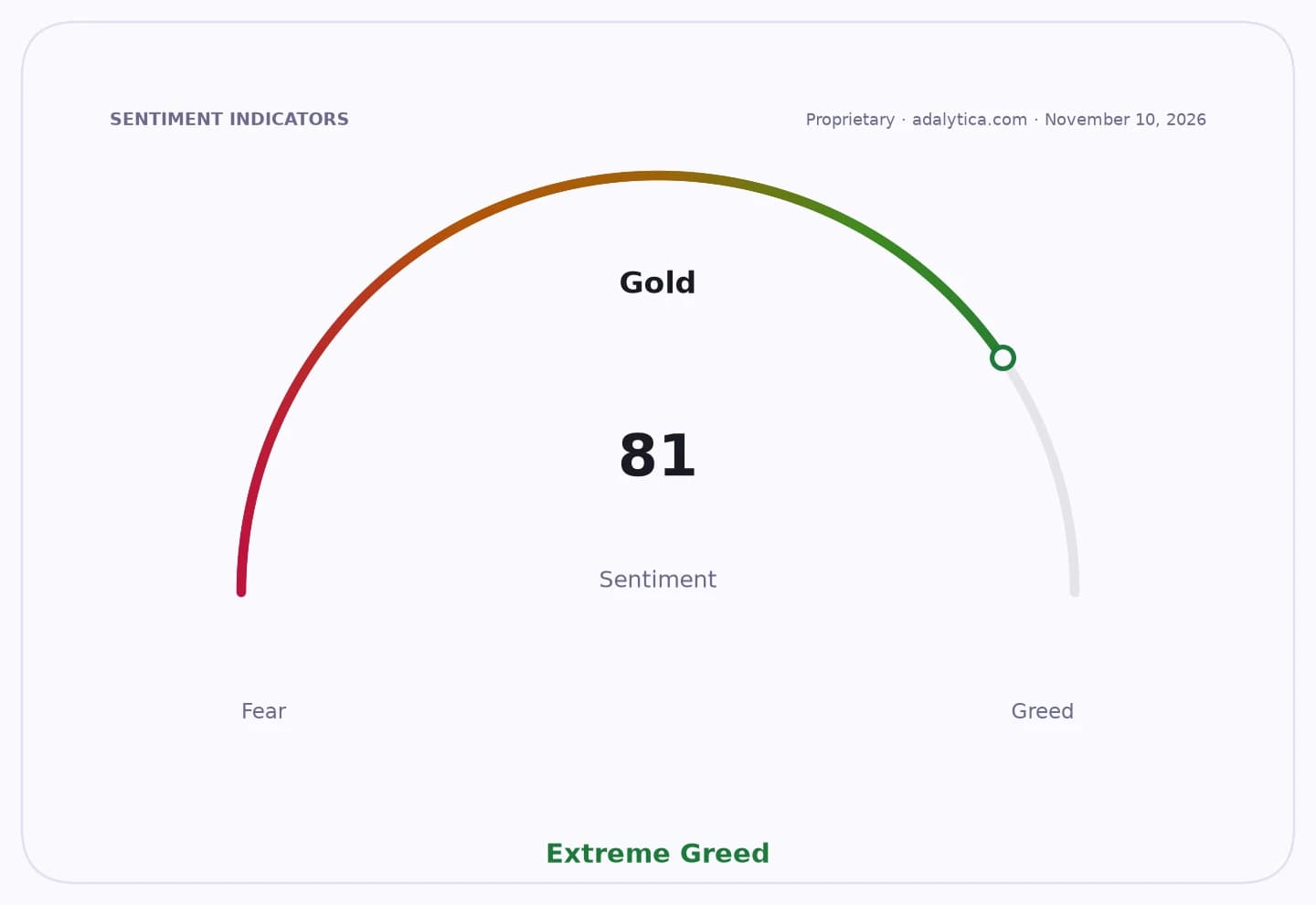
Sentiment Indicators
The winning bid came from a buyer in Hong Kong at one of the world’s most prestigious truffle auctions, where bidders also participated from Vienna, Bangkok, London, Brasília and Macau. A separate 300-gram truffle fetched 14,000 euros from a local entrepreneur, and total sales reached 545,800 euros, the second-highest figure in the auction’s history.
That outcome suggests demand remains resilient for trophy assets tied to luxury dining and international status consumption. For investors, the broader read-through is to food and agribusiness pricing: products with limited, nature-bound supply can retain pricing power even when consumers elsewhere are more selective. It also highlights the premium-end resilience of Italian culinary exports and the pull of destination events that blend tourism, exclusivity and high-net-worth spending.
The timing is notable because organizers said this year’s crop had been hurt by drought, though recent rains are improving the season. For traders and producers, that means supply conditions may still tighten or loosen quickly, keeping prices volatile into the rest of the harvest period. For buyers, the auction reinforces that in the rare-food market, weather remains the main macro variable.
| Entity | Gains | Losses |
|---|---|---|
| White truffle sellers | ▲Record-high auction prices | ▼Limited supply risk |
| Luxury buyers/collectors | ▲Prestige ownership | ▼Pay top-end premiums |
| Alba auction organizers | ▲Higher global attention | ▼Exposure to crop volatility |
| Chefs/restaurants | ▲Marketing cachet | ▼Input-cost pressure |