Robusta prices in Vietnam have slipped below 85,000 dong a kilogram even as the London benchmark firmed last week, underscoring how the country’s new harvest and wider discounts are changing the economics for growers and exporters.
Vietnam Robusta Prices Fall Below 85,000 Dong
That split matters because Vietnam is the world’s largest Robusta producer and a key supplier to instant coffee and espresso blends. When domestic prices weaken while the futures market holds up, the gap is usually a sign that physical supply is arriving faster than buyers need it, giving merchants more leverage to demand bigger discounts over the exchange price.
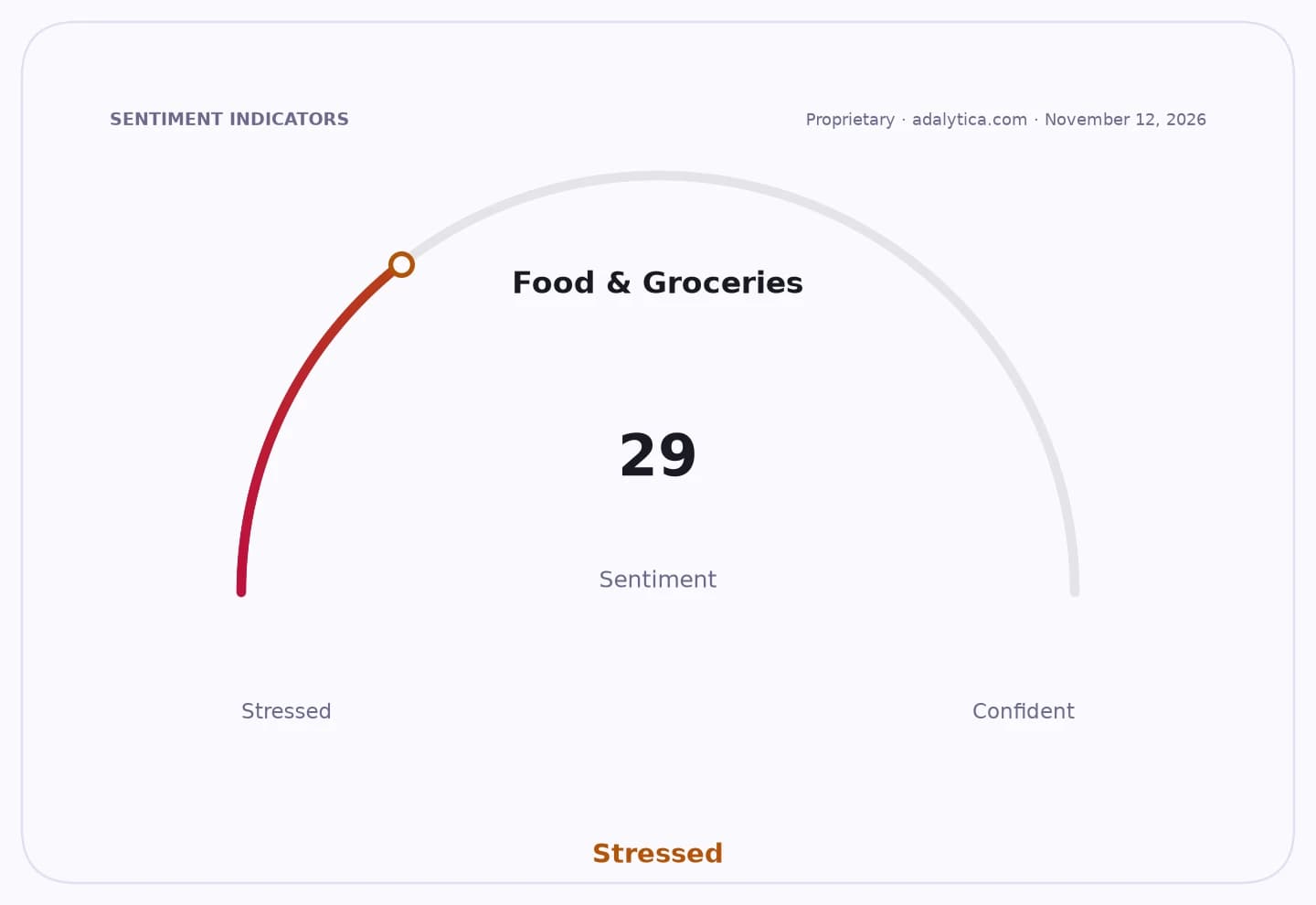
Sentiment Indicators
On London, Robusta for January 2027 delivery rose 66 dollars a ton to 3,270 dollars a ton, with four gains in five sessions. But that was not enough to support the local market. Prices in the Central Highlands averaged 84,600 dong a kilogram at the end of the week, down 1,300 dong from the prior week and below the 85,000-dong level that many farmers had been watching.
The reason is the discount mechanism, according to Đinh Nguyễn Thùy Dung, head of Hồ Phượng and chair of the Lam Dong sustainable coffee growers group. Vietnamese farmgate prices are tied not just to the London contract but also to the premium or discount negotiated between buyer and seller. In a tight market, sellers can ask for additions. At the start of a new crop, with supply abundant, buyers push for bigger discounts instead.
For farmers, that changes the playbook. Dung said growers should be raising the share sold soon after harvest, citing a 60% to 70% sell-through rate as a practical hedge, with the balance kept as inventory rather than hoarded in hopes of a rebound. That advice matters because many producers are cash-constrained and face a painful choice between locking in today’s price or betting on a later recovery. In a softer cash market, holding beans too long can quickly turn from strategy into speculation.
The export data show why buyers feel little urgency. Vietnam shipped more than 107,600 tons of coffee in October 2026, up 52% from a year earlier, while Robusta exports alone reached nearly 88,300 tons worth almost 335 million dollars. Over the first 10 months of 2026, exports rose nearly 20% by volume to almost 1.6 million tons, but earnings fell 5% to about 7.1 billion dollars, a reminder that volume growth is not translating into better pricing.
For investors, the message is straightforward: this is a supply-driven correction, not a demand collapse. That distinction matters for anyone positioning around coffee prices, agribusiness margins, or beverage input costs. More beans hitting the market should pressure near-term farmgate pricing and keep exporters competitive, while roasters and instant coffee makers may benefit from easier procurement costs if the discount cycle persists.
The market underestimates how powerful this seasonal shift can be. If Vietnam’s harvest continues to flow freely and buyers stay disciplined on discounts, Robusta prices could remain under pressure even with support from the futures market. The best opportunity now may be for investors to favor downstream buyers and global coffee brands over producers waiting for a price bounce that the physical market is not yet ready to deliver.
| Entity | Gains | Losses |
|---|---|---|
| Exporters/roasters | ▲Lower input costs | ▼Smaller urgency to buy |
| Vietnamese farmers | ▲Cash flow if they sell early | ▼Price power and storage optionality |
| Coffee buyers | ▲Bigger discounts | ▼None materially |
| Robusta futures bulls | ▲Higher London benchmark | ▼Local physical market weakness |