Turkey’s central bank is heading into its Sept. 10 policy meeting with foreign banks sharpening their calls that the first rate cut may come sooner than expected, a shift that matters because borrowing costs, the lira and domestic demand all hinge on how far officials think they can ease after August inflation.
Turkey Central Bank Cut Expectations Shift Earlier

BBVA Research moved its first cut expectation from December to October and still sees a 100-basis-point reduction, while keeping its 2026 year-end inflation forecast at 30%. Citi says room for cuts is “quite limited” and sees the policy rate ending 2026 at 35%, and ING also expects rates at 35% by year-end, warning that geopolitical tensions are weighing on growth.
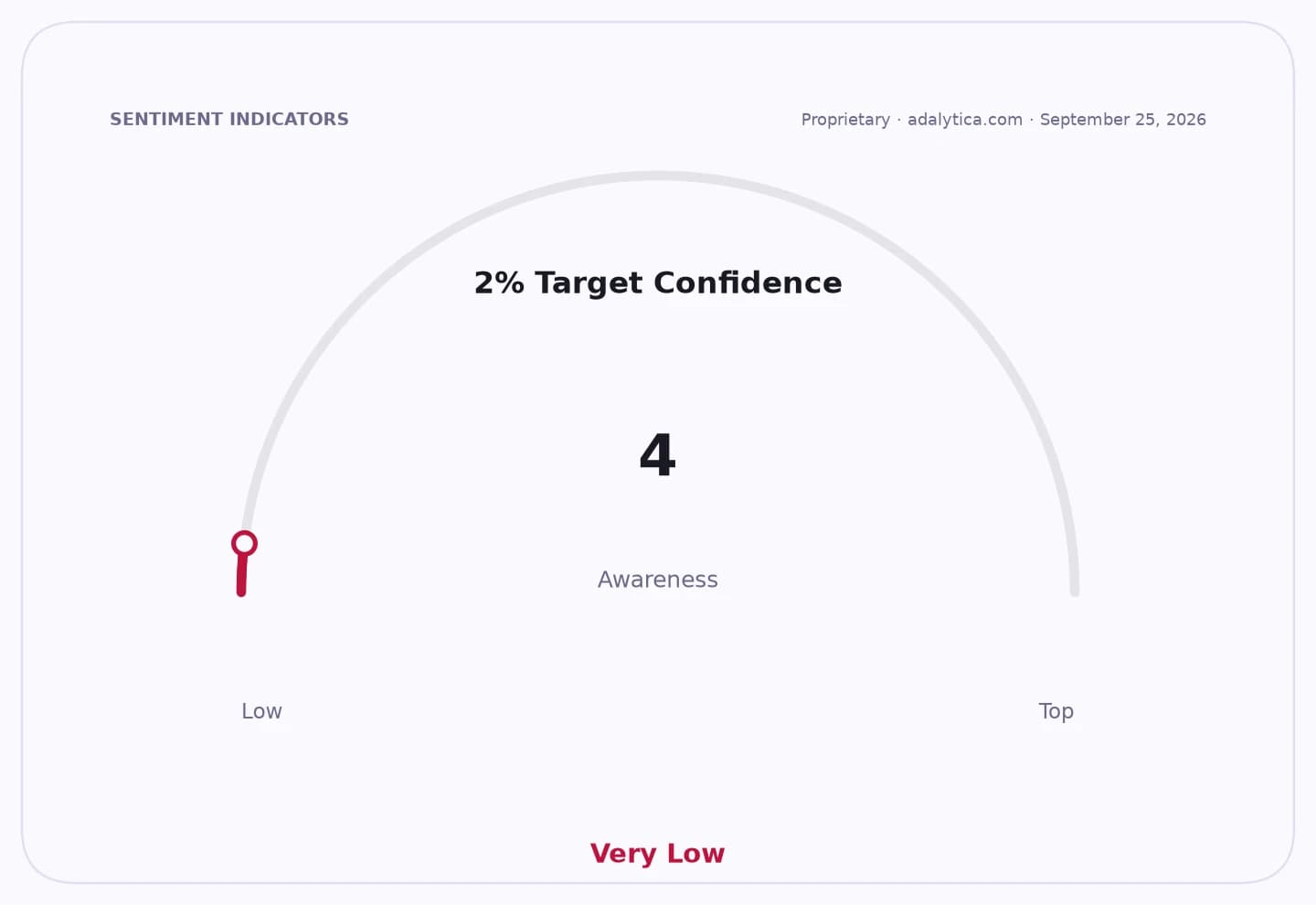
Sentiment IndicatorsⓘProprietary · adalytica.com · September 5, 2026
This is a snapshot — live sentiment, awareness and momentum for 130+ markets update continuously in the dashboard.Open AlphaPulse
The shift in timing is important for Turkey’s economy because it suggests policymakers may be willing to start loosening before year-end even as price pressures remain sticky. That would support credit growth and activity, but it also raises the risk of rekindling inflation if easing gets ahead of the disinflation trend.
For investors, the key question is whether the central bank can deliver enough easing to support bonds, equities and domestic lenders without destabilizing the currency. Rate-cut expectations typically help Turkish duration and rate-sensitive stocks, but a cautious path — especially one capped near 35% by Citi and ING — would keep funding costs elevated and limit the upside.
The market is also reading the decision through a wider macro lens, with geopolitical strains cited as a drag on growth and foreign banks implying that Turkey’s policy path remains constrained by inflation rather than driven by weakness alone. The next catalyst is the central bank’s Sept. 10 announcement, which will show whether officials back the market’s growing conviction that easing starts this fall.
| Entity | Gains | Losses |
|---|---|---|
| Turkish borrowers | ▲Lower funding costs | ▼Delay in relief if cuts stay limited |
| Turkish banks | ▲Loan growth prospects | ▼Margin pressure if easing accelerates |
| Bond investors | ▲Potential duration gains | ▼Yield volatility if cuts disappoint |
| Lira | ▲Support from cautious easing | ▼Pressure if easing outpaces inflation |