Turkey’s COP31 presidency is using the UN platform to position climate policy as an industrial and financial strategy, with Environment Minister Murat Kurum saying Ankara has shared its action plan globally and wants to turn emissions cuts, waste reduction and electrification into an economic advantage.
Turkey COP31 climate plan targets finance and industry
That framing matters because it shifts climate from diplomacy to execution. Kurum said Turkey is aiming for 35% electrification by 2035, a 15% circular material-use ratio and a 50% cut in waste, while also pushing methane and broader emissions reductions. For investors, the message is that Ankara is trying to anchor climate policy in sectors that affect infrastructure, construction, utilities, manufacturing and financing rather than treating it as a symbolic international pledge.
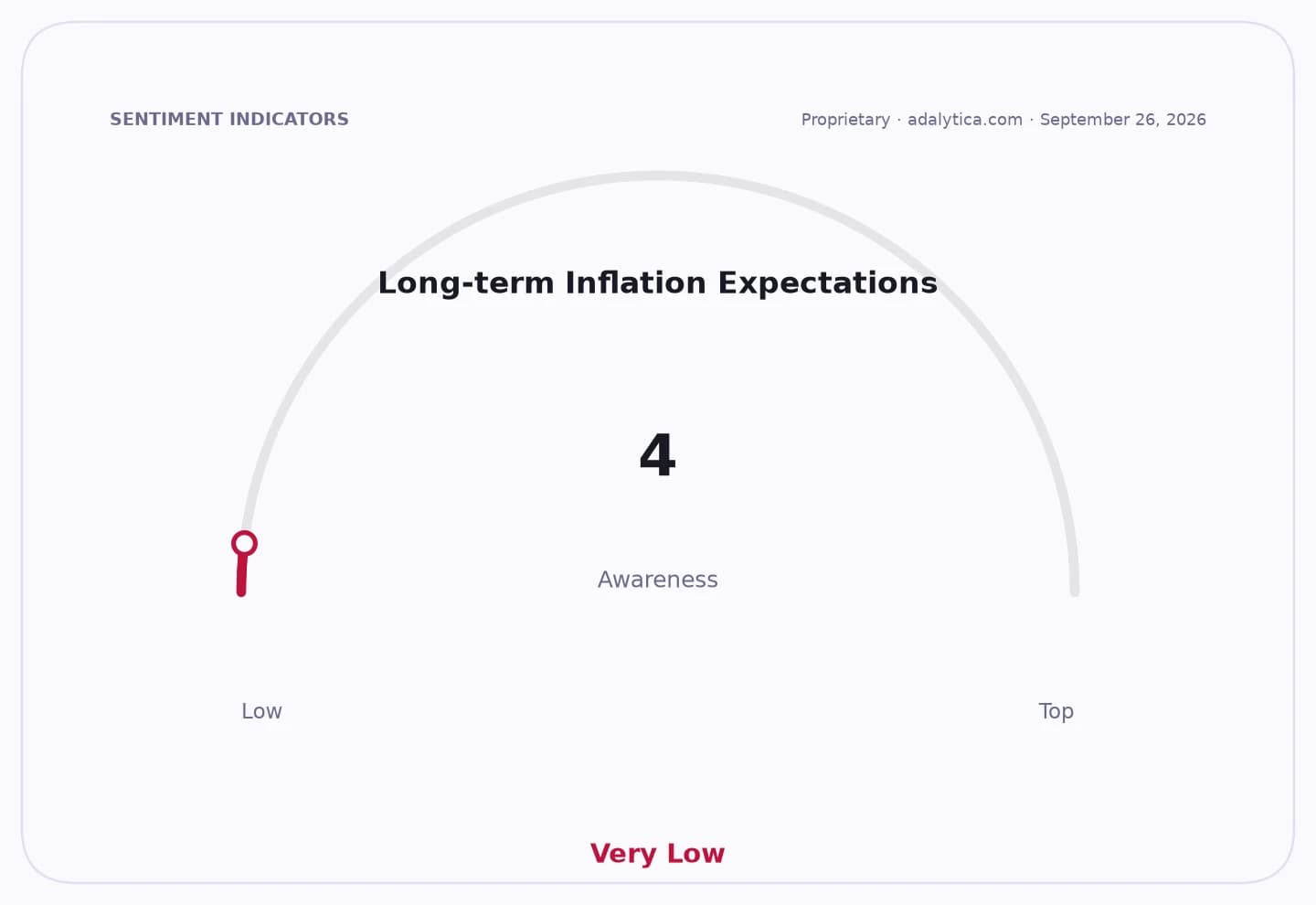
Sentiment IndicatorsⓘProprietary · adalytica.com · September 26, 2026
This is a snapshot — live sentiment, awareness and momentum for 130+ markets update continuously in the dashboard.Open AlphaPulse
The minister’s remarks also underlined how Turkey wants COP31 in Antalya to be judged on delivery. Kurum repeated that “it is now a process where words are over” and that the presidency is focused on “results,” a signal that the government wants to use the event to attract capital, technical partnerships and policy credibility. He said the country is working with UNDP, OECD, the International Energy Agency and the World Meteorological Organization, and highlighted a “Climate Implementation Bridge” meant to improve access to finance.
That finance channel is important for markets because climate commitments only become investable when they are tied to bankable projects, regulatory certainty and external funding. Turkey is seeking to frame its zero-waste programme, backed by First Lady Emine Erdoğan, and its rebuilding experience after the earthquake as evidence it can move quickly on large-scale implementation. The pitch is that the same state capacity used in reconstruction can be redeployed toward climate adaptation, electrification and industrial transition.
For domestic investors, the policy mix could favour companies exposed to energy efficiency, recycling, waste management, grid investment and materials substitution. It may also help state-backed efforts to mobilize concessional or blended finance, which would matter in a country where higher funding costs can delay capital spending. On the other hand, the targets raise pressure on heavy industry and construction groups that may face higher compliance costs or faster technology upgrades.
The macro backdrop makes the messaging more consequential. Turkey is trying to balance growth, industrial competitiveness and climate commitments at a time when capital is selective and external financing matters. A credible climate framework could support longer-term investment flows and improve Turkey’s standing with multilateral lenders and European counterparties. But if the strategy remains aspirational, investors are likely to treat it as a political narrative rather than a repricing event.
The key test now is whether the Antalya COP delivers financing structures, sectoral road maps and implementation milestones that can survive beyond the summit. If it does, Turkey could turn climate diplomacy into an investable policy theme. If it does not, the gap between ambition and execution will remain the main risk.
| Entity | Gains | Losses |
|---|---|---|
| Turkey / COP31 presidency | ▲Diplomatic leverage | ▼Execution risk |
| Waste, recycling, efficiency firms | ▲Policy tailwinds | ▼Higher compliance burden elsewhere |
| Heavy industry and construction | ▲Potential transition finance | ▼Upgrade costs |
| Multilateral lenders / climate financiers | ▲New project pipeline | ▼Policy ambiguity |