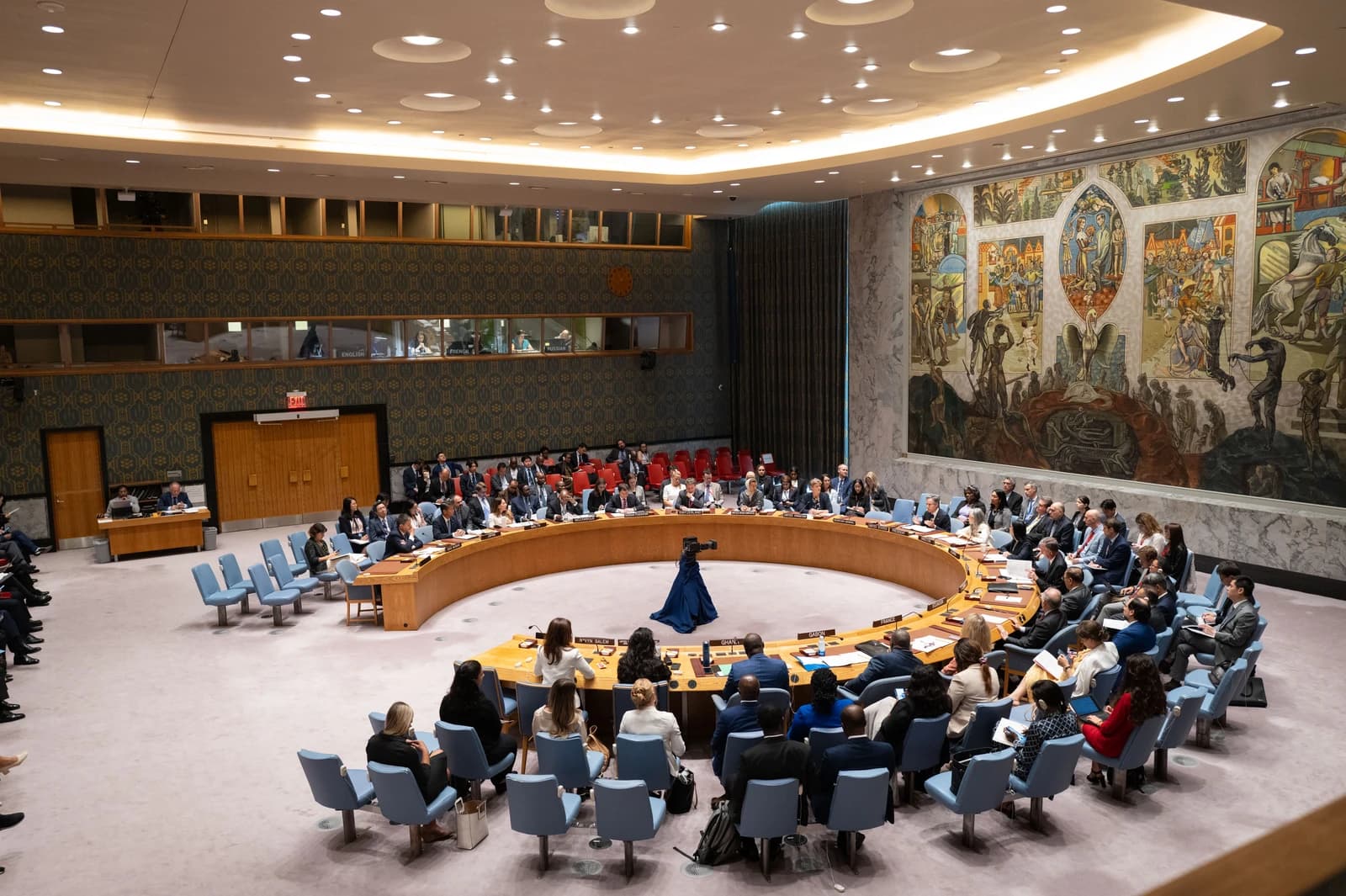
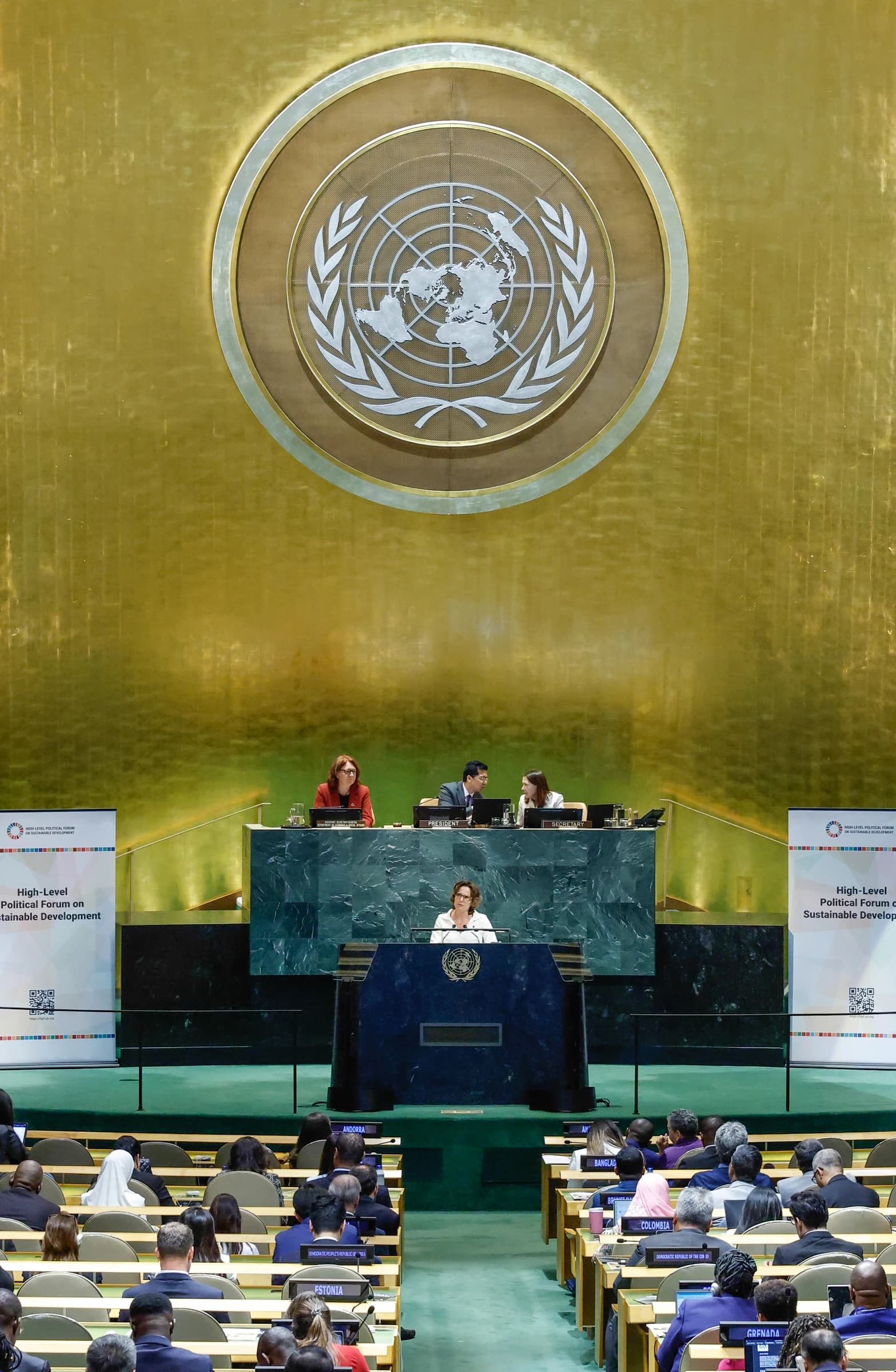
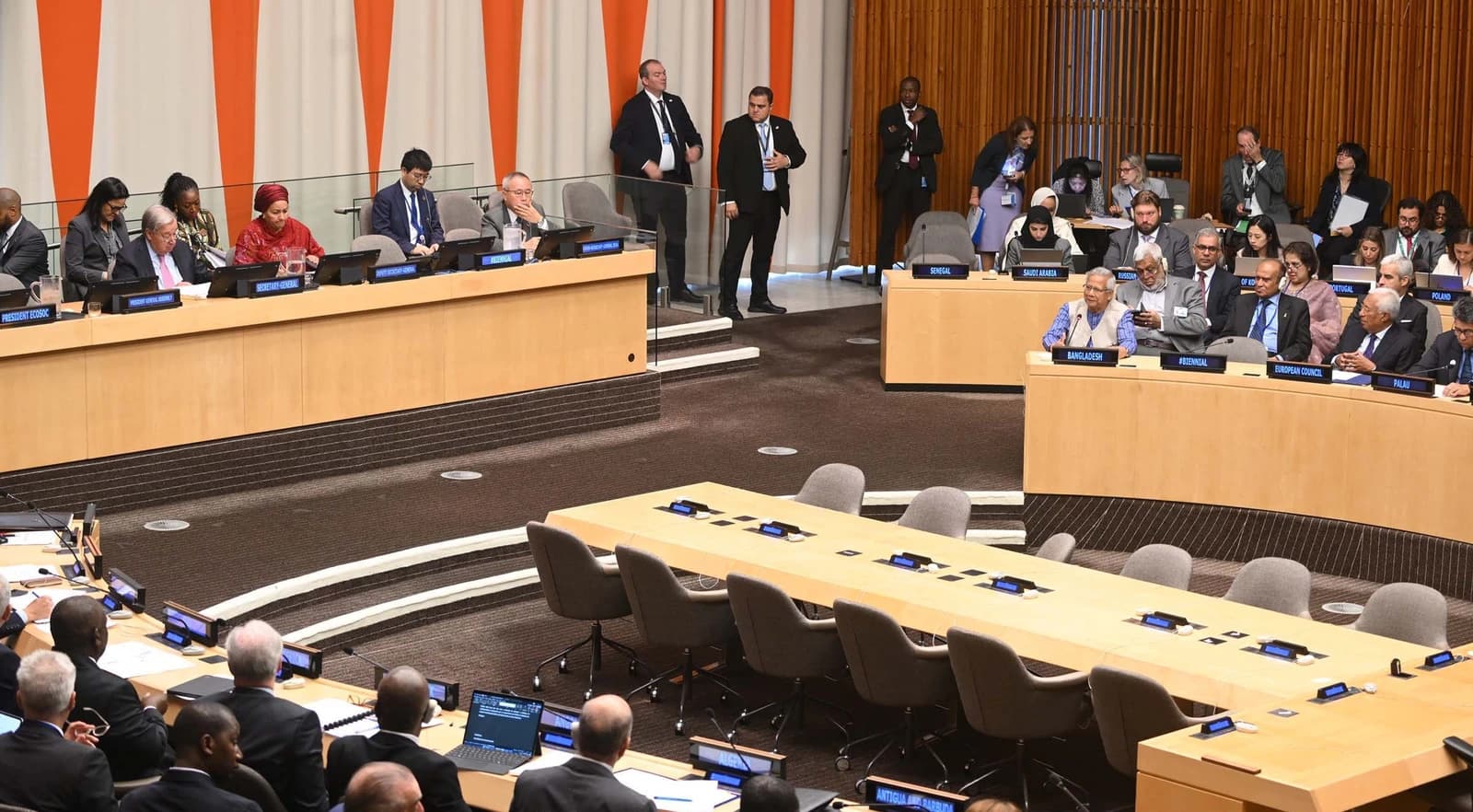
World leaders gathering at the UN General Assembly in New York are set to confront a wider agenda than the wars in Ukraine and Gaza and the risks of artificial intelligence, with climate, Sudan, Iran, Palestinian statehood and the next UN chief all on the table.
UN General Assembly to Address AI, Wars and Climate
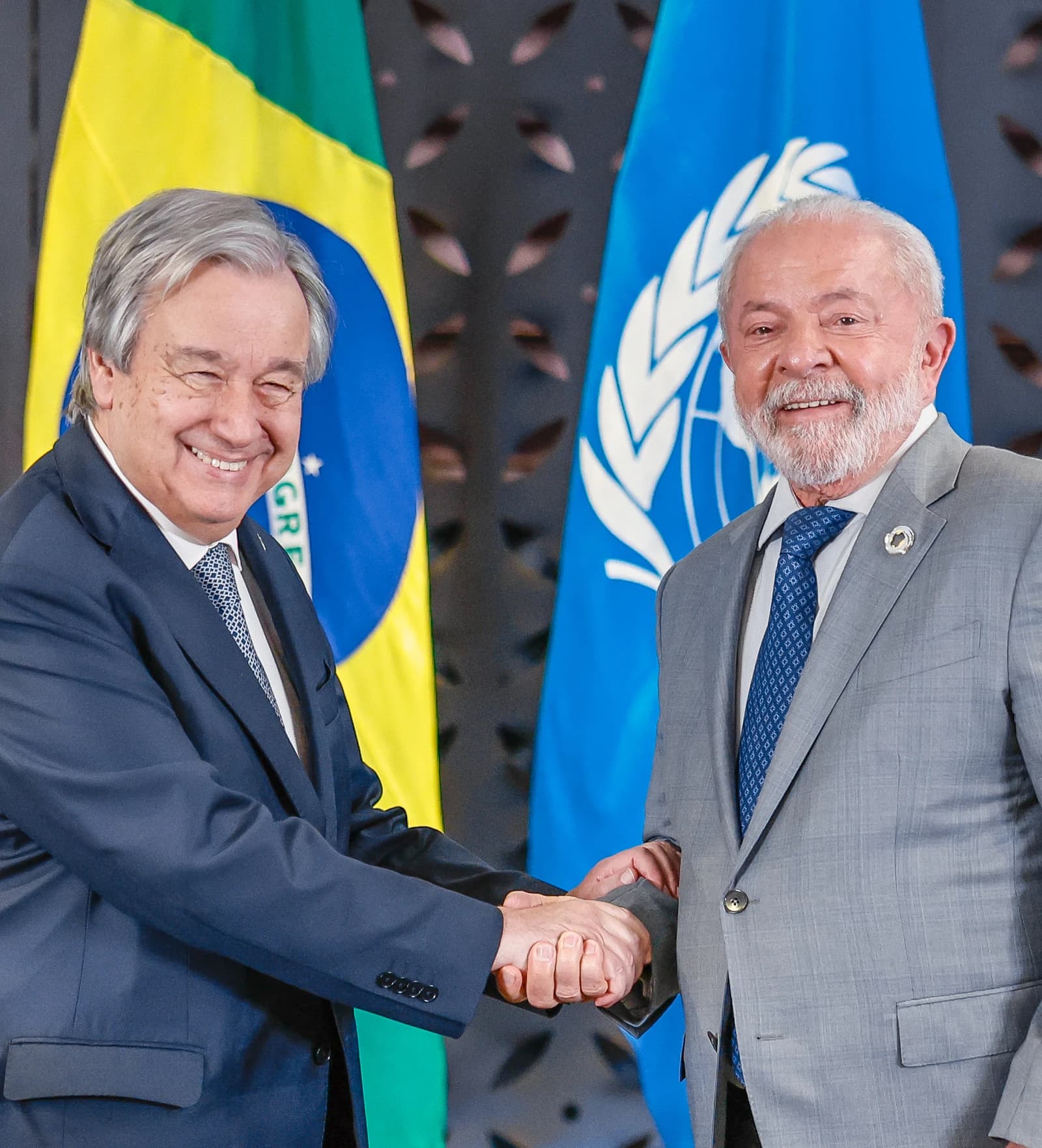
That broader mix matters because the annual summit is one of the few moments when diplomacy, geopolitics and global policy converge in one place, even if few breakthroughs are expected. For investors, the event can still shape risk sentiment around oil, defense, clean energy, cybersecurity and the broader appetite for haven assets if tensions flare or climate pledges disappoint.
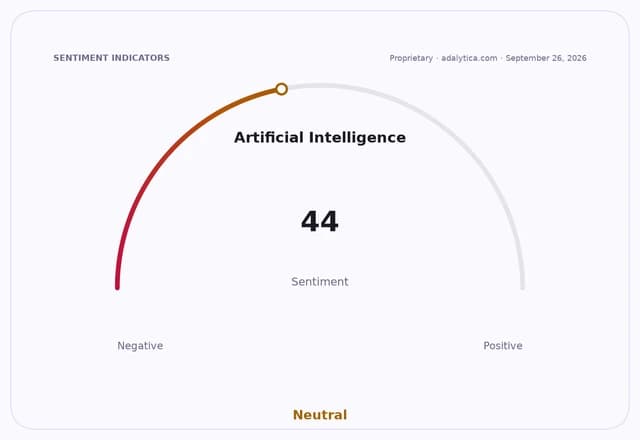
Sentiment IndicatorsⓘProprietary · adalytica.com · September 26, 2026
This is a snapshot — live sentiment, awareness and momentum for 130+ markets update continuously in the dashboard.Open AlphaPulse
The 81st session opened on Sept. 8, with the high-level general debate beginning Tuesday. Brazil will speak first, followed by the United States, in keeping with long-standing UN practice, while speakers are usually given about 15 minutes each.
AI is emerging as one of the clearest non-war themes. The UN secretary-general has warned that rapid advances could outpace human control, and industry executives have recently urged a slowdown, arguing systems may soon become capable of self-improvement. Diplomats say the Security Council could also hold a separate meeting on the issue, underscoring how AI has moved from a tech-sector debate to a global-security concern.
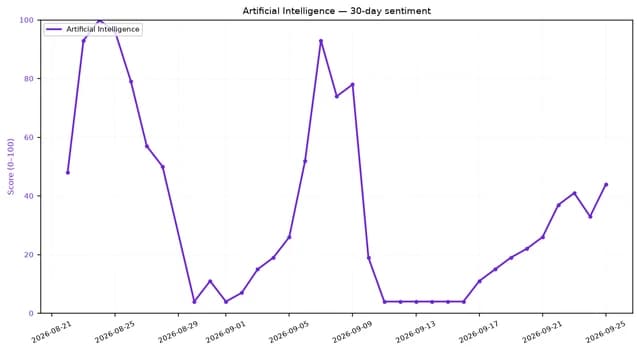
The economic stakes are significant. Any push for common safeguards could affect the pace and cost of AI development, from data-center spending and chip demand to regulatory risk for big tech. That makes the topic especially relevant for investors watching Microsoft, Nvidia and the broader AI trade, where sentiment remains elevated even as the market continues to price in heavy capital spending and tighter oversight.
War and ceasefire diplomacy will still dominate the sidelines. Iranian President Masoud Pezeshkian is due to speak Wednesday, with Donald Trump, Israeli Prime Minister Benjamin Netanyahu and other regional players in New York, though diplomats say the stalled talks are unlikely to produce a major shift. The Security Council may also convene an informal Arab meeting focused on the Iran conflict.
Ukraine remains another key flashpoint, with President Volodymyr Zelenskiy expected to use the week to shore up international backing as Russia’s invasion enters its fifth year. Russian Foreign Minister Sergei Lavrov is scheduled to speak Saturday, and the Security Council is expected to hold separate high-level meetings on the war, even though Moscow’s veto power has blocked meaningful action.
The Israel-Palestinian conflict will also keep pressure on the summit. Netanyahu is due to address the general debate on Thursday despite an International Criminal Court arrest warrant over alleged war crimes and crimes against humanity in Gaza, while Palestinian President Mahmoud Abbas will join by video after the United States denied him a visa. Diplomats say a separate high-level meeting on a two-state solution is possible, but expectations are low.
Outside the Middle East and Europe, Sudan is set to get renewed attention as fighting between the army and the Rapid Support Forces drags into its third year. More than 14 million people have been displaced, making it one of the world’s worst humanitarian crises, and military chief Abdel Fattah al-Burhan is due to speak Thursday.
Climate policy will also return to the forefront as small island states and vulnerable countries press for stronger action to keep warming within the 1.5 degrees Celsius goal of the Paris agreement. The issue has added urgency after global temperatures crossed that threshold for the first time in August, intensifying pressure on rich economies and energy producers alike.
| Entity | Gains | Losses |
|---|---|---|
| AI developers | ▲clearer global rules | ▼faster, freer expansion |
| Climate-vulnerable nations | ▲louder platform for action | ▼leverage if rich nations stall |
| Ukraine and Gaza diplomacy | ▲global attention | ▼prospects for quick breakthroughs |
| Defense and energy markets | ▲if tensions stay elevated | ▼if de-escalation gains traction |