Turkey is using its COP31 host role to sell electrification and recycling as the clean-energy answer to energy security, even as its own coal dependence undercuts the credibility of that message.
Turkey COP31 Pushes Electrification and Recycling
The core economic significance is that Ankara is trying to position the transition to electricity as both a climate policy and an industrial strategy. That matters because electrification can lower import dependence, redirect investment into grids, renewable generation and nuclear power, and reshape the economics of heavy industry, transport and household energy use. But the pitch also exposes a central tension investors will not miss: Turkey wants the growth and capital inflows associated with the energy transition while avoiding a firm commitment to phase out coal.
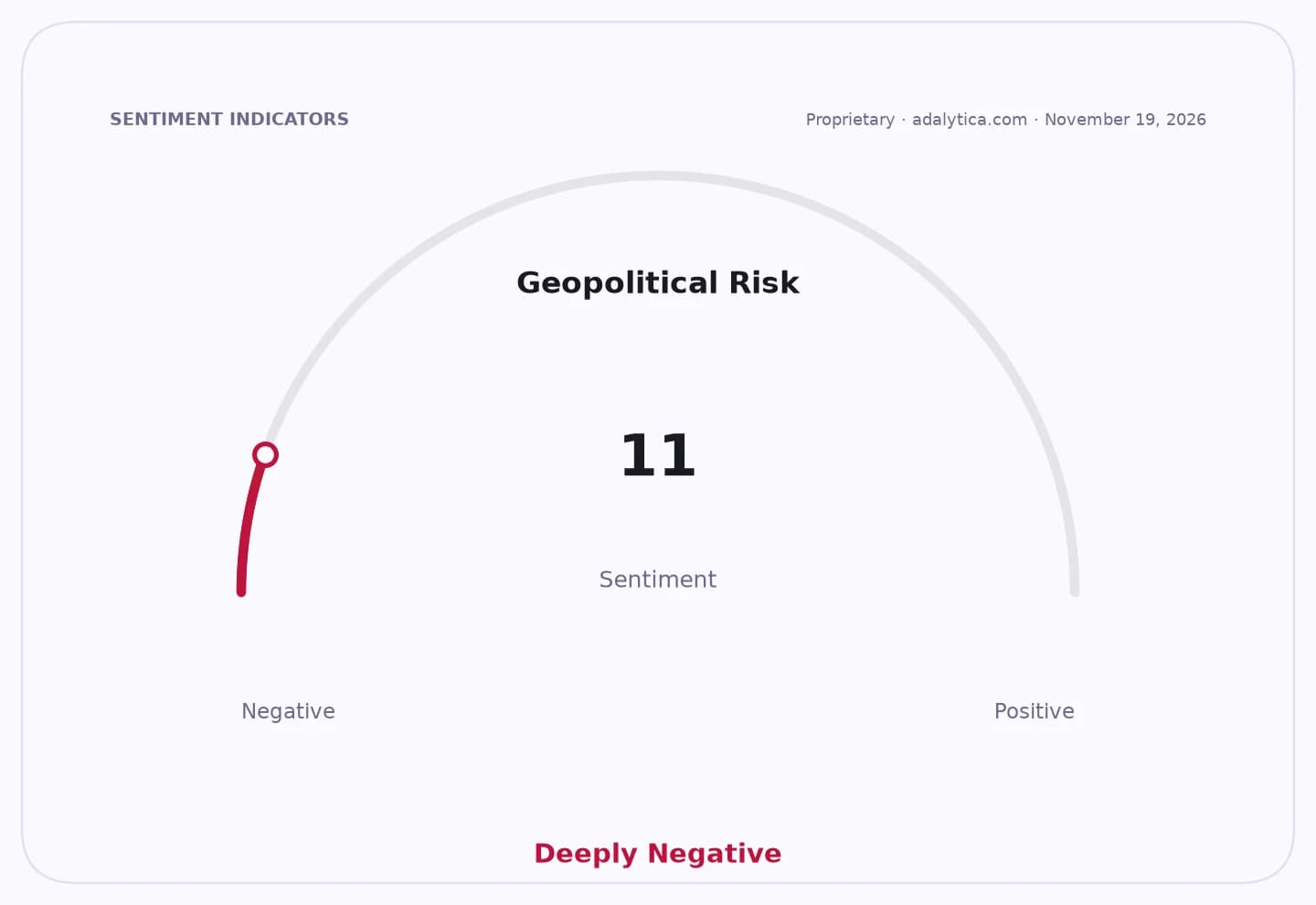
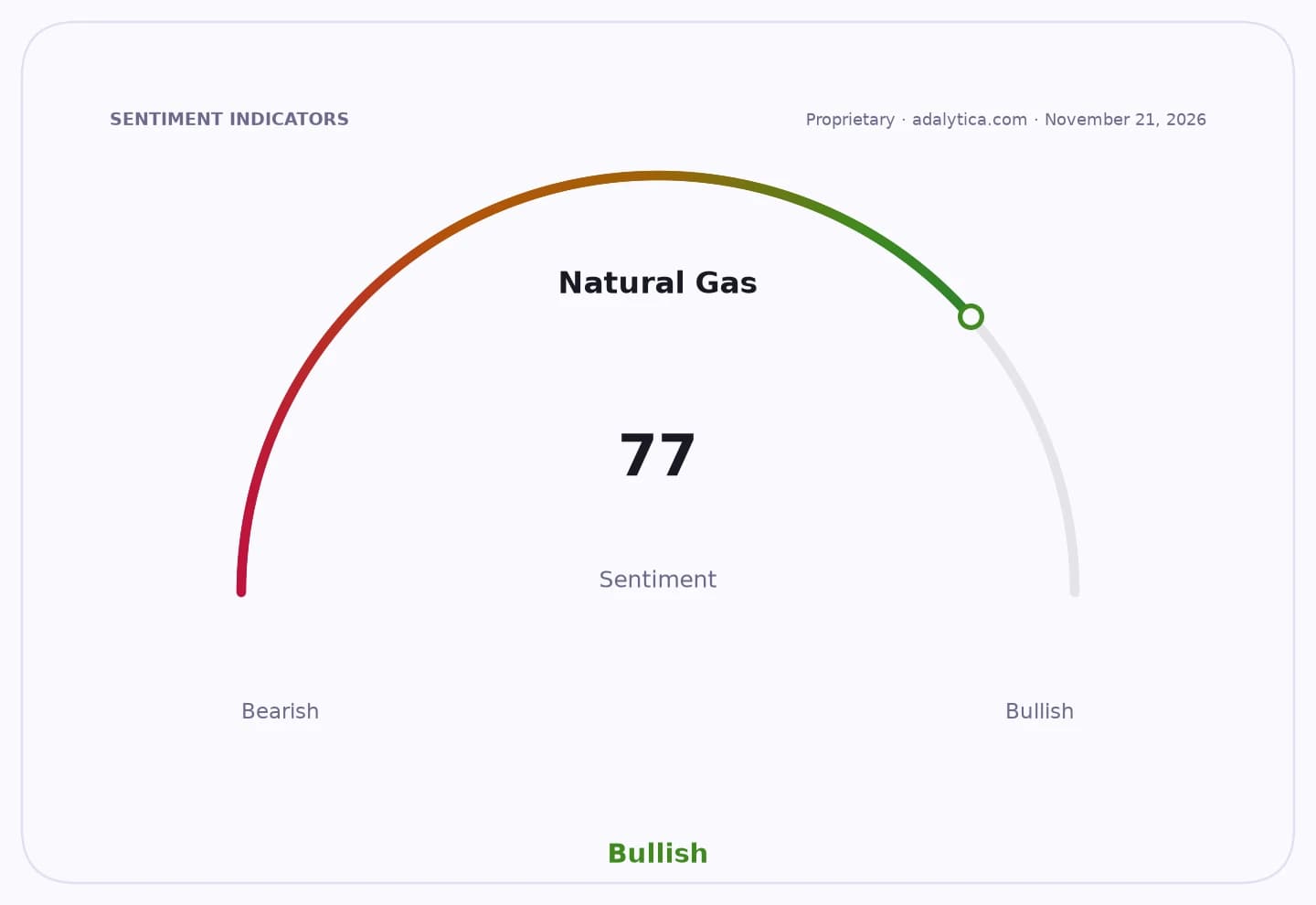
Sentiment Indicators
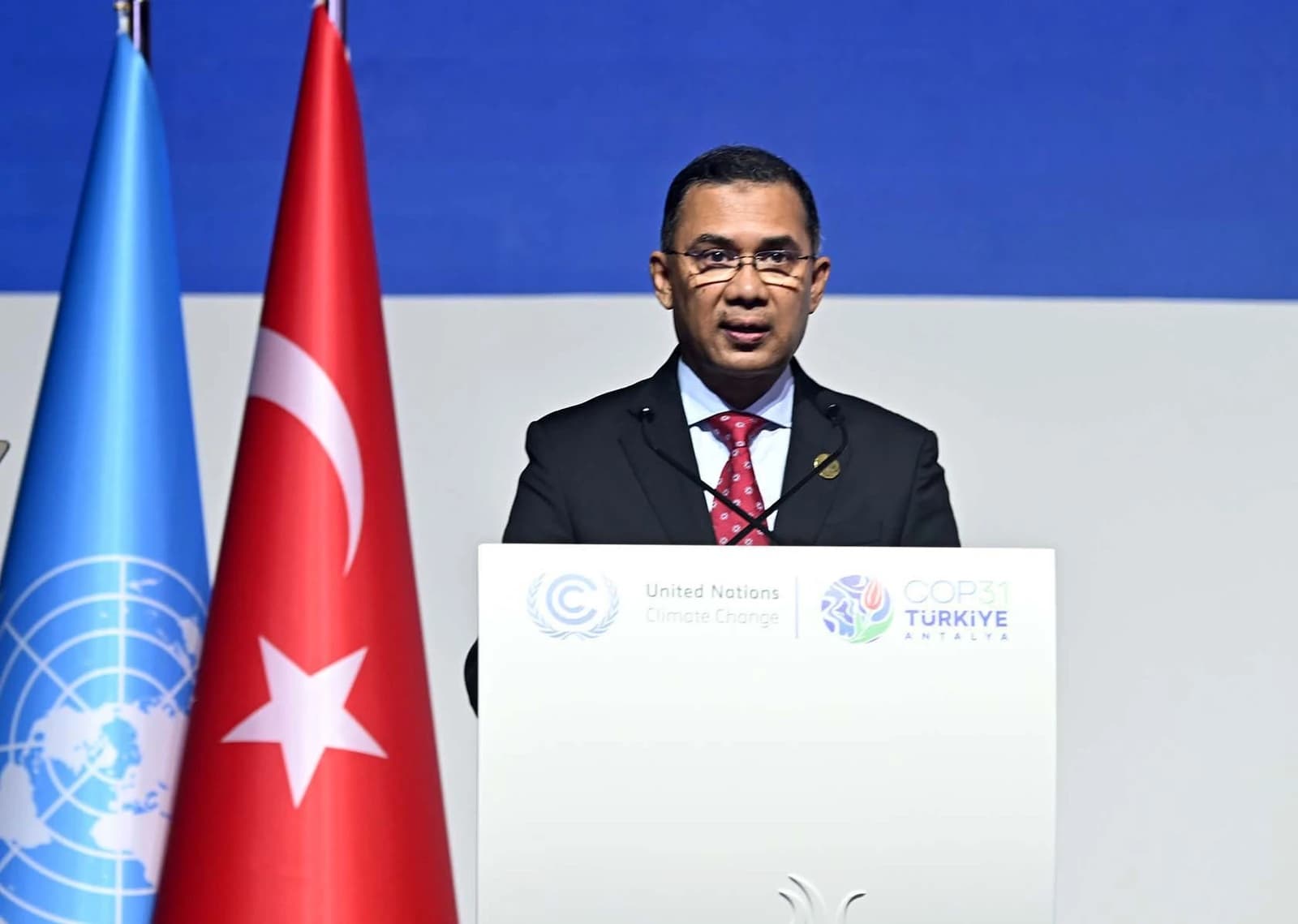
COP31 President and Environment Minister Murat Kurum is promoting a non-binding goal of making electricity account for 35 percent of global energy demand by 2035, a target Turkey calls “35 by 35” and has folded into a 10-point Action Agenda. Energy Minister Alparslan Bayraktar has paired that with a $500 billion roadmap to electrify the economy and expand installed wind and solar capacity fourfold to 175 gigawatts.
For markets, the scale of the plan is material. A fourfold buildout in wind and solar implies major demand for turbines, panels, transmission equipment, storage and financing, while the broader electrification theme supports utilities and industrial supply chains that can benefit from state-backed capital spending. It also fits the broader geopolitical case for domestic energy production: Kurum argued that imported energy is energy a country does not control, a message that resonates in an era of volatile fossil-fuel prices and supply shocks.
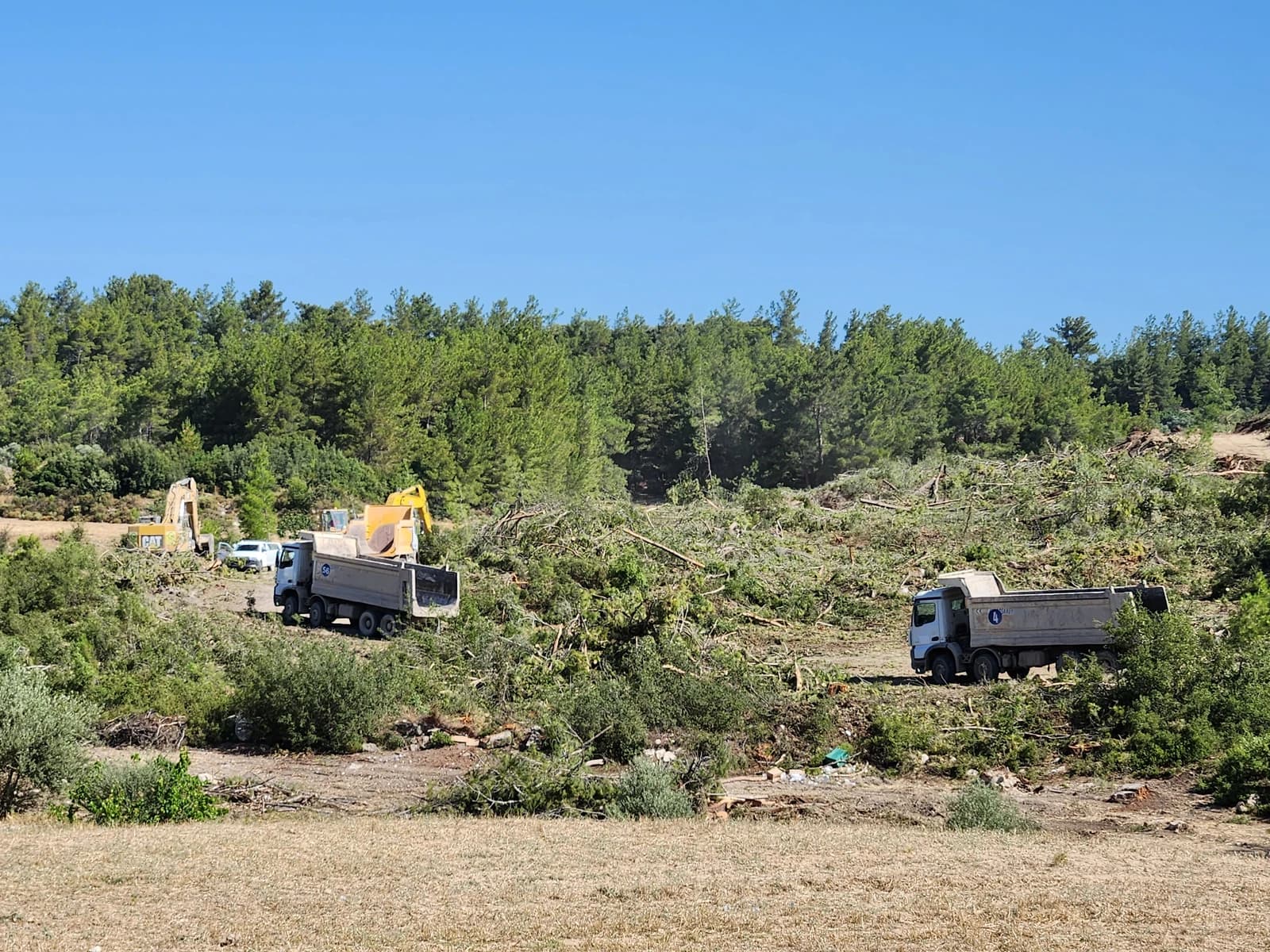
But the climate credibility problem is just as important. About a third of Turkey’s electricity still comes from coal, and the government has not set a date to phase it out. Campaigners say Ankara is planning to expand two existing coal-fired power plants even as it touts clean-energy leadership. That weakens the environmental case for the electrification drive, because shifting demand from oil and gas to electricity only cuts emissions if the power mix gets cleaner at the same time.
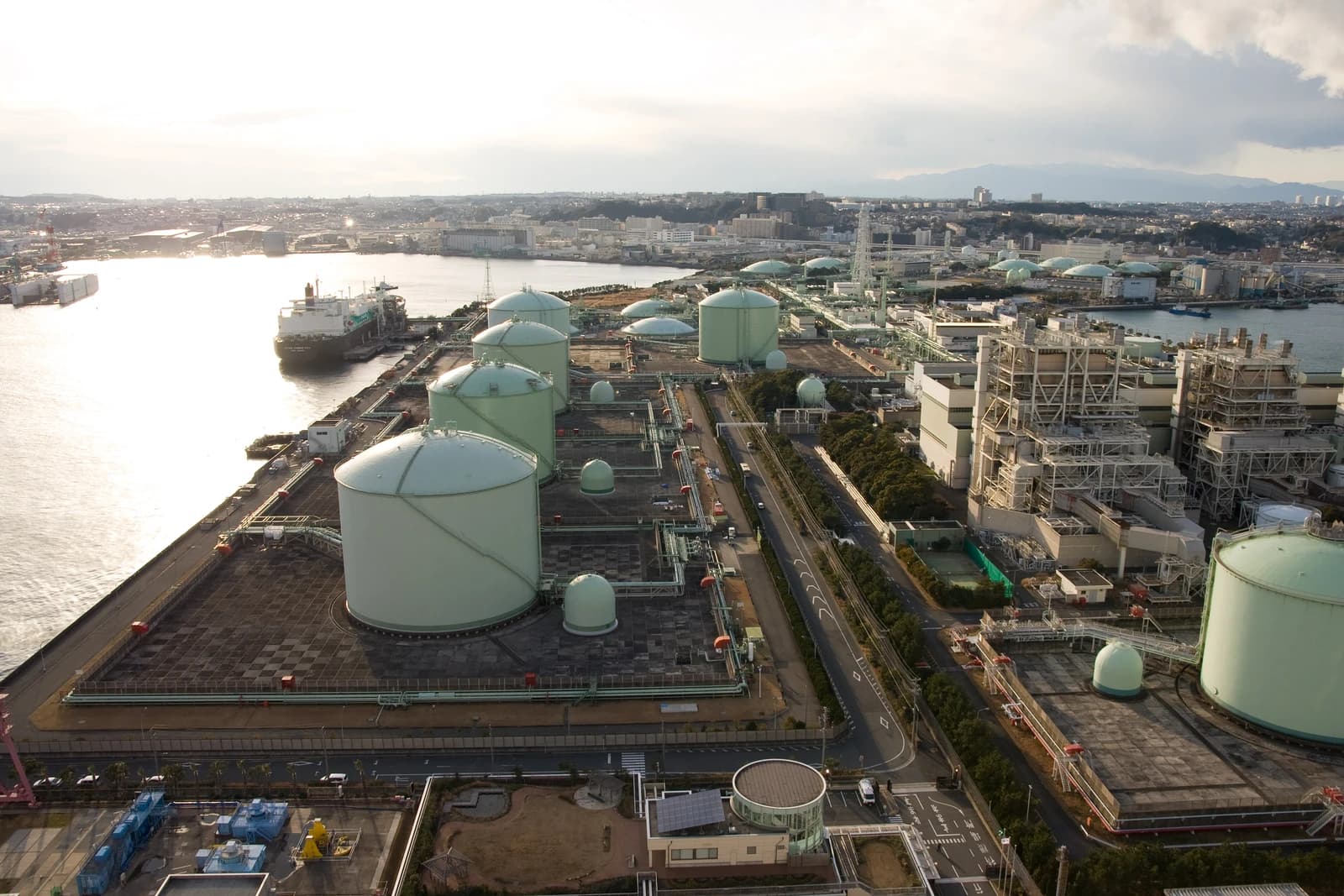
Turkey’s nuclear strategy is part of the answer, at least in official rhetoric. Bayraktar has said exiting coal will depend on ramping up nuclear generation, with the country’s first nuclear plant due to come online by year-end and two more planned. For investors, that opens a different set of opportunities and risks: nuclear can provide firm low-carbon baseload power, but it is capital-intensive, politically sensitive and slow to deliver at scale.
The criticism from environmental groups is that Turkey is leaning on messaging rather than a binding transition plan. Climate Action Tracker has said Ankara’s interim targets are “critically insufficient,” while activists argue that the country’s 2035 pledge still allows emissions to rise in real terms. That matters because weak policy ambition can raise long-term regulatory risk, weaken the bankability of green infrastructure and make Turkey a less reliable destination for climate-linked capital.
Turkey is also using its Zero Waste initiative to frame waste management as a climate tool, especially around methane reduction. That fits the summit’s broader push to address emissions beyond power generation. Yet campaigners say the focus on recycling and waste management sidesteps plastic production and ignores Turkey’s continued imports of plastic waste, particularly from Europe. For investors in packaging, recycling and petrochemicals, the policy gap highlights a familiar issue: waste strategy can support circular-economy investment, but it does not automatically reduce upstream fossil-fuel demand.
The result is a summit narrative built on contradiction. Turkey is presenting itself as a practical bridge between climate ambition and energy security, but its reliance on coal and reluctance to name an exit path limit how far that story can travel. The next test for investors is whether the COP rhetoric is followed by bankable policy on grids, renewables, nuclear and waste, or whether the summit becomes another example of climate diplomacy running ahead of implementation.
| Entity | Gains | Losses |
|---|---|---|
| Turkey government | ▲COP31 visibility, investment narrative | ▼Climate credibility |
| Renewable developers | ▲Grid expansion, clean-power spending | ▼Policy uncertainty |
| Coal producers / coal plant owners | ▲No phase-out date | ▼Transition pressure |
| Climate campaigners | ▲Platform to press for tighter targets | ▼Limited policy traction |