Turkey’s new credit card rules will tighten repayment requirements for higher-balance users while giving stressed borrowers up to 60 months to restructure unpaid debt, a move aimed at curbing household debt risk without choking off spending completely.
Turkey Raises Credit Card Payment Requirements
The central bank and banking regulator have made the clearest change in years to how Turkish card debt is managed. For cards with balances of 50,000 lira or more, the minimum payment rate will rise to 40% of the statement balance, while cards at 50,000 lira or below will remain at 20%. At the same time, borrowers unable to meet minimum payments will be able to refinance existing card debt over as long as five years, with the balance added to each month’s minimum payment.
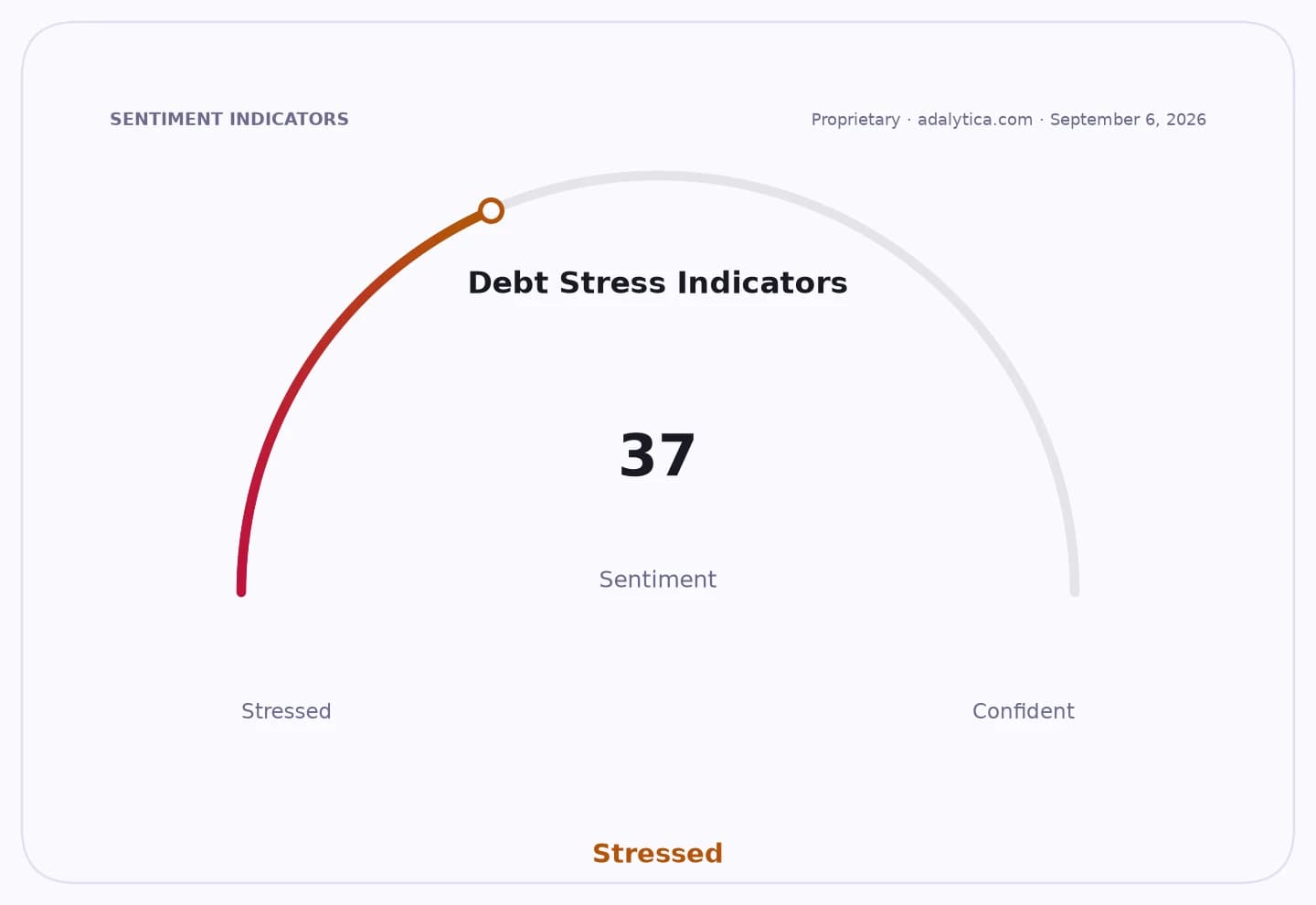
Sentiment IndicatorsⓘProprietary · adalytica.com · September 6, 2026
This is a snapshot — live sentiment, awareness and momentum for 130+ markets update continuously in the dashboard.Open AlphaPulse
That combination matters because it changes both the pace at which debt is repaid and the probability that arrears spill into the banking system. Higher minimum payments should reduce revolving balances faster and limit the buildup of unpaid interest, but they will also force more cash out of household budgets at a time when consumer finances remain under pressure. The restructuring window, meanwhile, offers banks a formal way to move distressed borrowers out of immediate delinquency and into supervised repayment plans.
The pricing side of the policy also points to a more restrictive stance on borrowing. The central bank capped the maximum interest rate used in restructurings at 3.11%, and set new card lending rates tied to balance size. If the reference rate stays unchanged, maximum contract rates would be 3.50% for balances below 25,000 lira, 4.25% for balances between 25,000 lira and 150,000 lira, and 4.75% above 150,000 lira. Cash withdrawals on credit cards keep a 5% ceiling.
For lenders, the immediate effect is mixed. Banks should benefit from lower migration into non-performing loans if the restructuring regime is used early, but they will also face a more granular and potentially more interventionist consumer-credit framework. For card issuers with meaningful retail exposure, the rules could compress revolving growth and alter fee and interest income trends, even as they reduce tail risk from delinquent accounts.
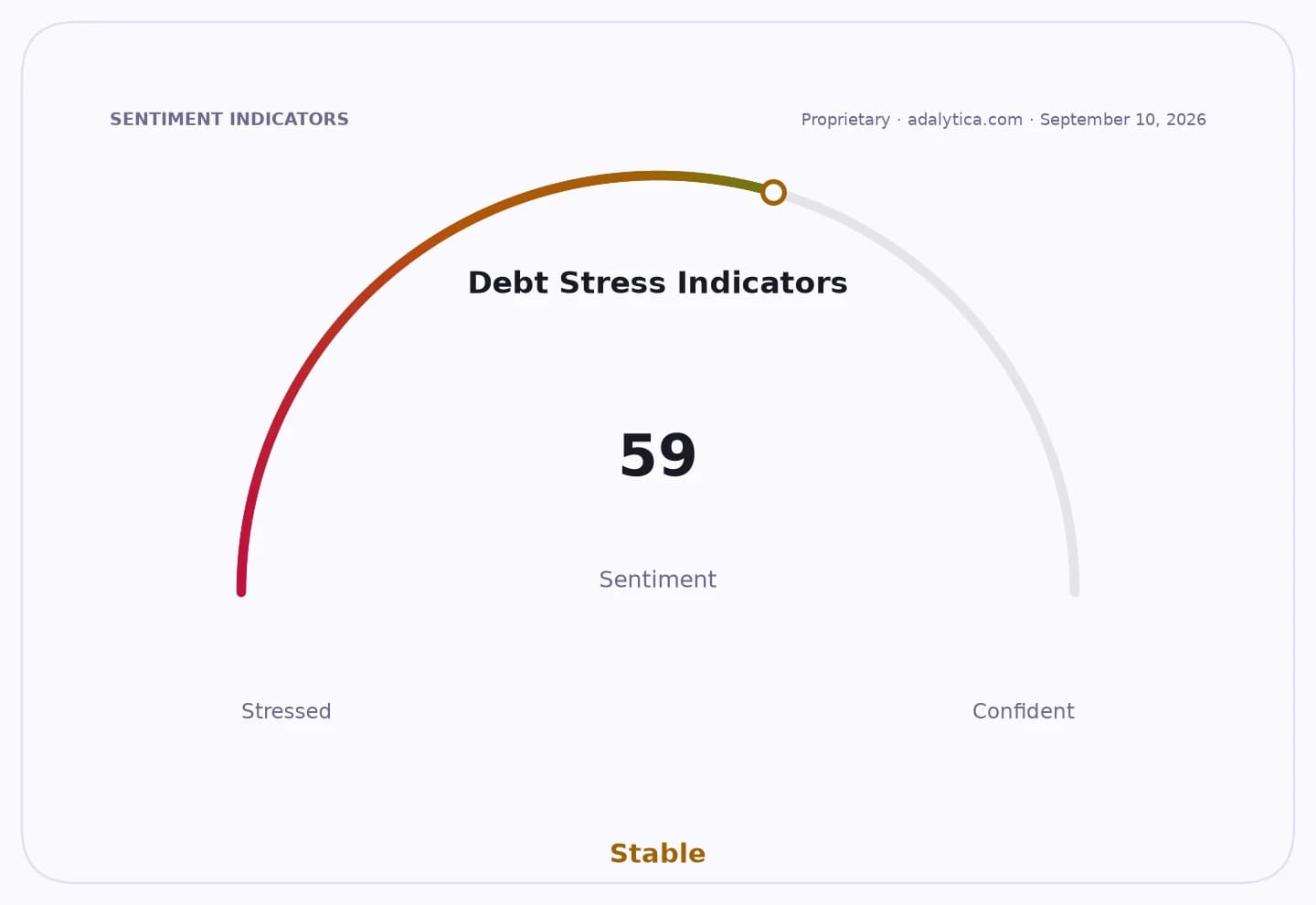
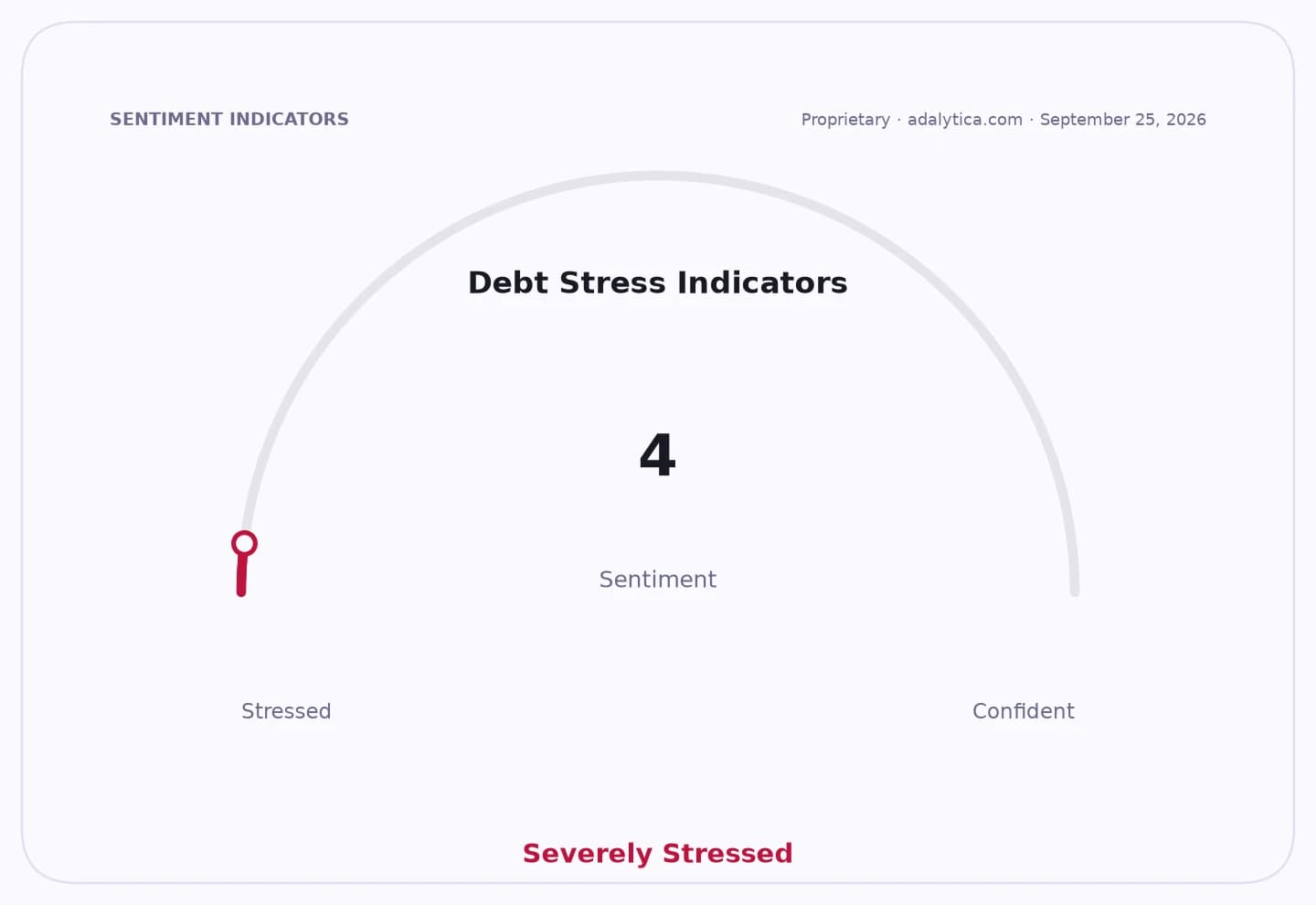
For households, the change is likely to be uneven. Borrowers with small balances retain relatively looser minimum-payment rules, while those carrying larger statements will see a sharp increase in required outflows. That raises the odds of slower consumption growth in credit-heavy segments, but it also may help prevent a larger debt overhang from forming. Adalytica’s Household Debt Stress Sentiment remains neutral, suggesting the market has not yet priced in severe stress, though the policy itself is clearly aimed at preventing one.
Investors will watch whether the measure improves credit quality enough to offset weaker card growth and margin pressure. The main beneficiaries are banks and regulators looking to stabilize asset quality; the losers are high-balance borrowers and lenders dependent on aggressive revolving-card economics. The next focal point will be how quickly borrowers seek restructuring and whether the new minimum-payment thresholds start to lift delinquencies before they stabilize them.
| Entity | Gains | Losses |
|---|---|---|
| Turkish banks | ▲Lower delinquency risk | ▼Slower card balance growth |
| High-balance borrowers | ▲Longer restructuring window | ▼Higher minimum payments |
| Regulators / policymakers | ▲More control over consumer credit | ▼Less room for credit-led spending |
| Card issuers | ▲More orderly collections | ▼Softer revolving income |