Diesel prices in Turkey have crossed the 100-lira mark, a threshold that risks freezing farm activity in one of the country’s key agricultural provinces and adding fresh pressure to inflation.
Turkey diesel tops 100 lira in Osmaniye farm belt

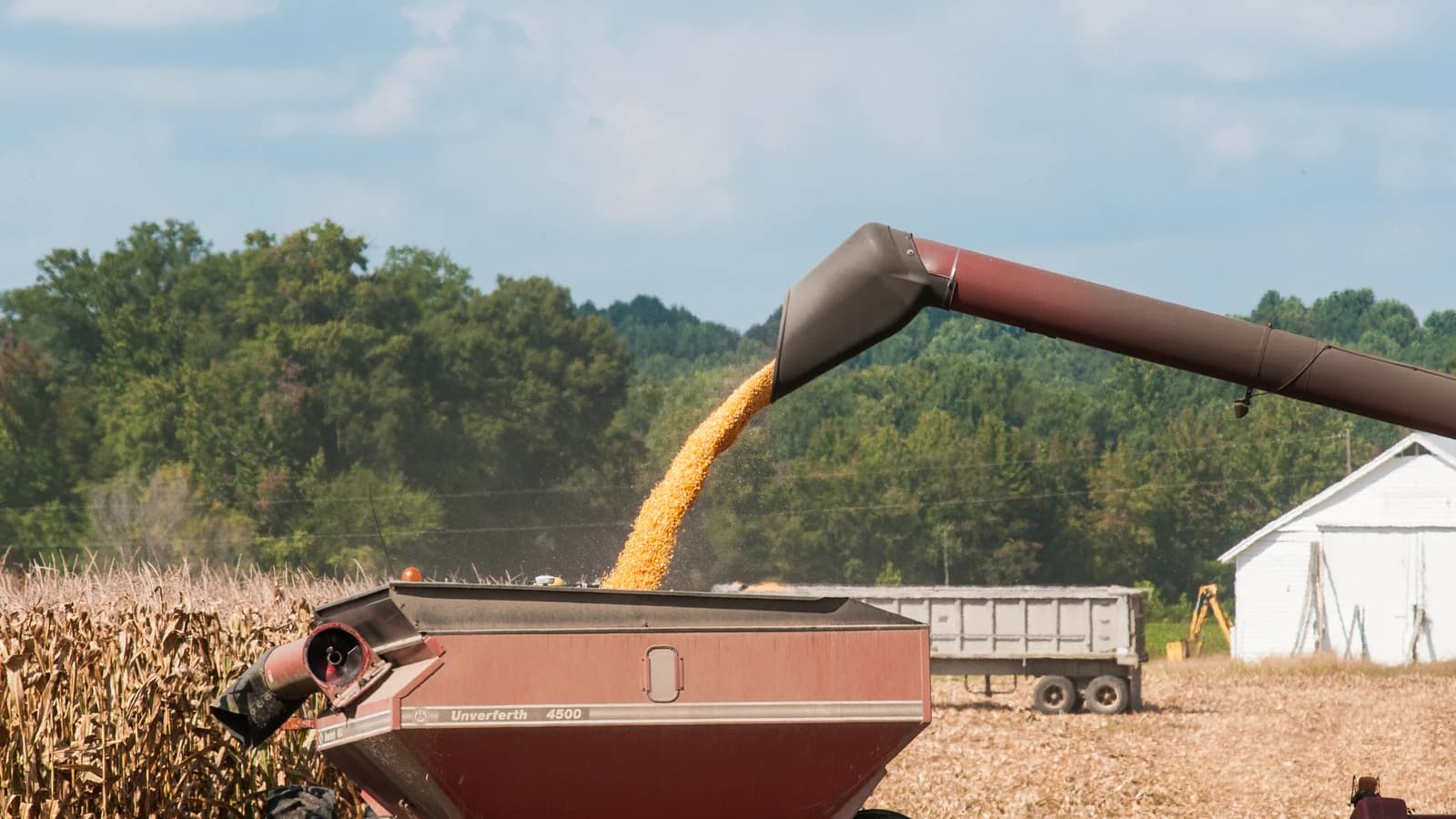
In Osmaniye’s Kadirli district, farmers and hauliers said a new 4.81-lira increase pushed motor diesel above 100 TL a liter, a level they described as unsustainable for planting, harvesting and transport. One farmer said his tractor would “not move anymore,” while a combine owner said he had shut down his machine and was taking wage work because operating costs no longer made sense.
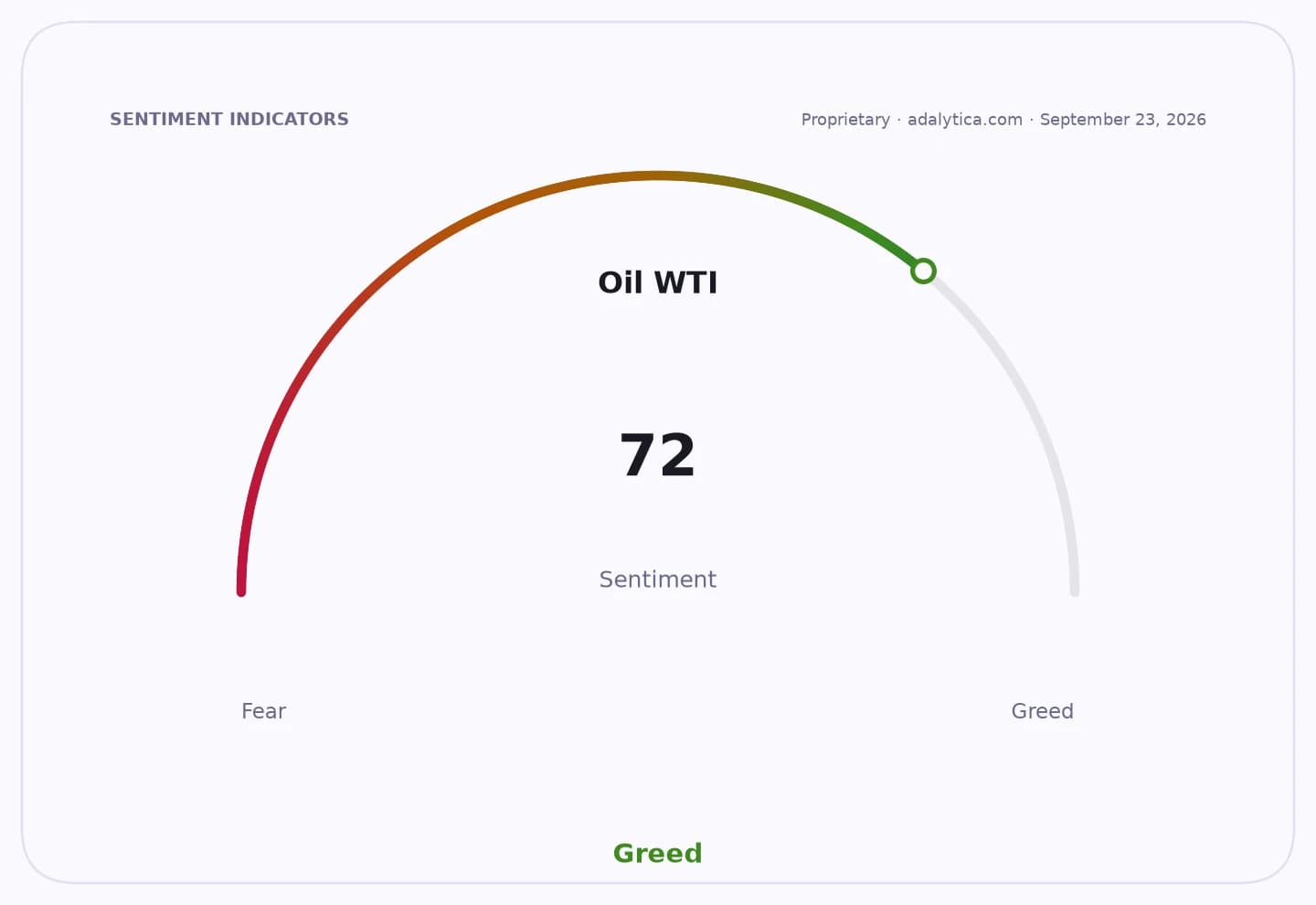
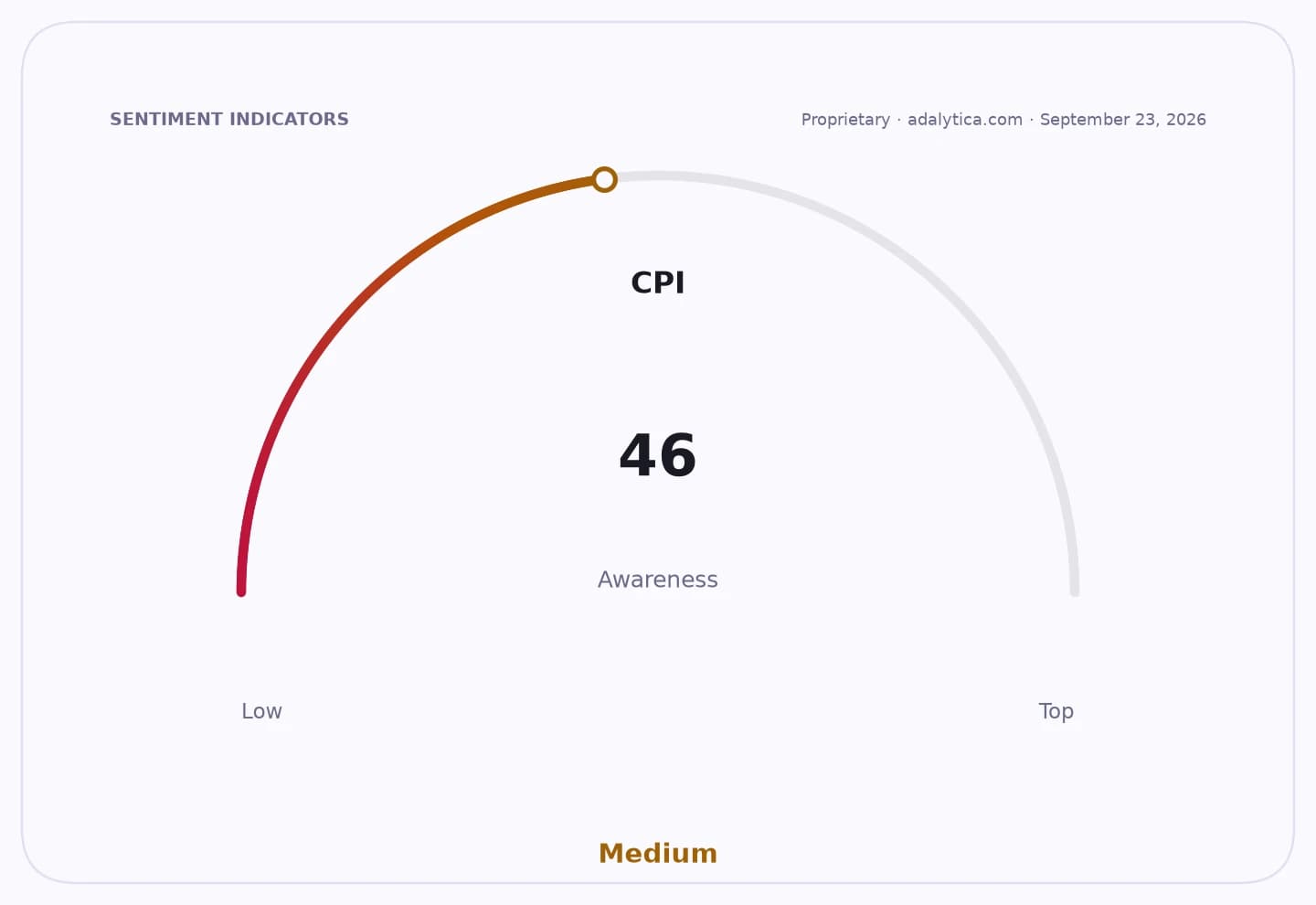
Sentiment IndicatorsⓘProprietary · adalytica.com · September 17, 2026
This is a snapshot — live sentiment, awareness and momentum for 130+ markets update continuously in the dashboard.Open AlphaPulse
The immediate economic risk is not just higher fuel bills, but lower production. Diesel is the main input for tractors, harvesters and irrigation pumps, and it also sits at the core of Turkey’s food and freight chains. When fuel costs jump this fast, farmers either cut fieldwork, delay harvesting or pass the pain through to food prices, which can widen inflation beyond the energy basket. For livestock producers and rural merchants, the hit is similar: higher transport costs raise the price of feed, fertilizer and delivered goods.
The comments from Kadirli suggest the shock is already reaching operational decisions. A combine owner said he had stopped using his machine on a 1,000-dönüm sunflower farm because he would have to pay fuel bills 20,000-30,000 lira higher by the time invoices came due. Another farmer said he could no longer afford to plow or sow land, warning that fields would remain idle. Those are not just complaints about inflation; they are signs of a supply-side squeeze that can reduce agricultural output in the next harvest cycle.
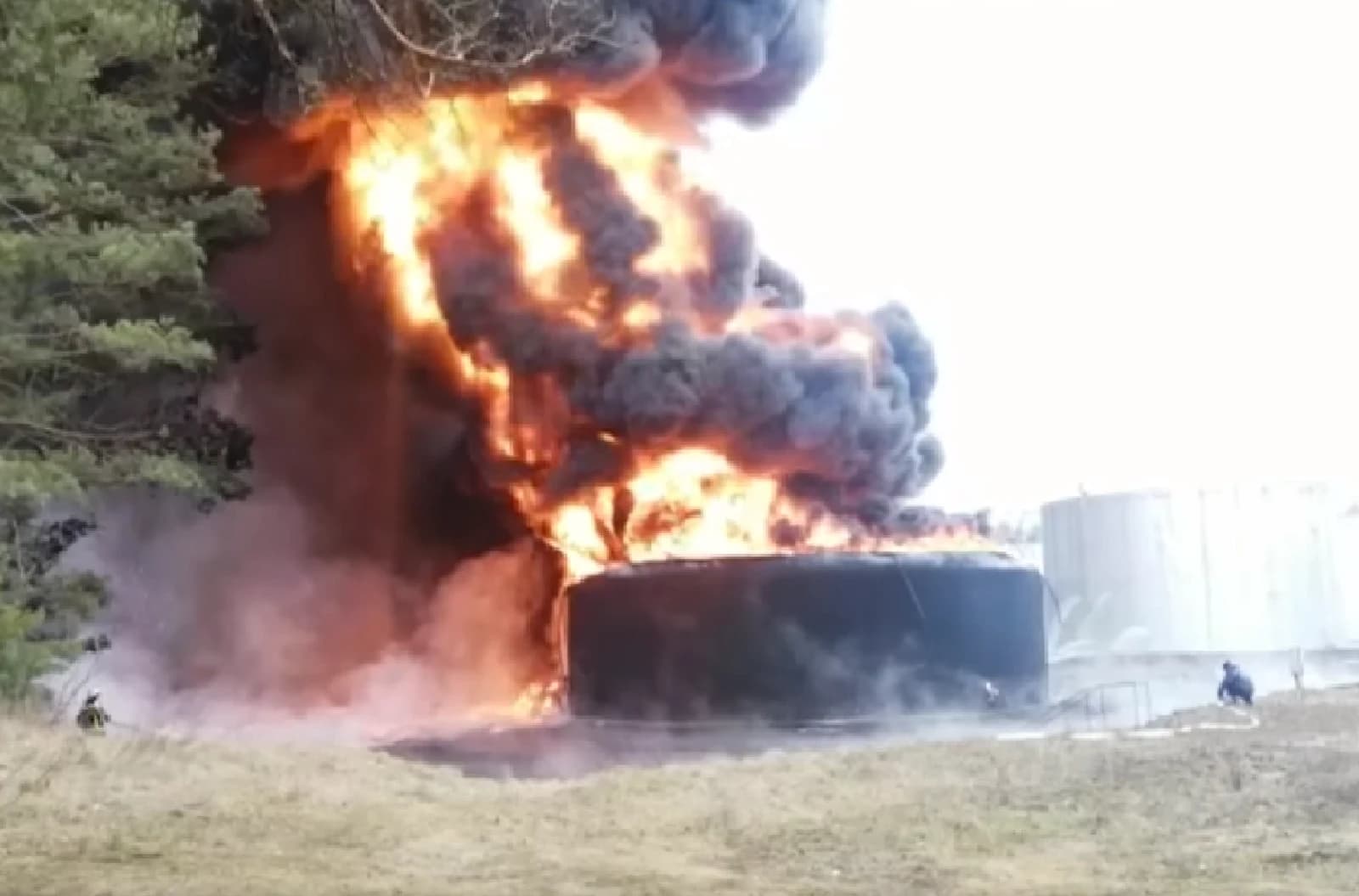
The price move also comes as global fuel markets remain volatile. Diesel has been under particular pressure because of disrupted supply chains tied to the Russia-Ukraine war and broader constraints on refined products. Adalytica’s oil trade signals show WTI sentiment at “Extreme Fear,” while the US dollar gauge has moved to “Extreme Greed,” a combination that can keep imported energy costs elevated for countries that rely on foreign pricing or a weak local currency.
For investors, the first-order implication is persistent inflation risk. Higher diesel prices tend to feed quickly into transport, food distribution, manufacturing and construction, making it harder for the central bank to deliver a clean disinflation path. That keeps pressure on domestic rates, household purchasing power and margins for companies exposed to logistics and agriculture. It is also a warning for fuel retailers, trucking firms and agribusinesses: demand destruction can follow if consumers and businesses can no longer absorb the pass-through.
The bull case is that fuel spikes can eventually curb demand and draw in supply, easing prices later. The bear case is that Turkey’s farm sector and consumer inflation are taking the hit now, before any relief arrives. If diesel stays above 100 lira for long, the bigger story may be not the price at the pump but the risk that more land sits uncultivated and more goods move more slowly through the economy.
| Entity | Gains | Losses |
|---|---|---|
| Fuel suppliers/retailers | ▲Higher nominal sales | ▼Volume risk if demand falls |
| Farmers and livestock producers | ▲None | ▼Higher operating costs, less fieldwork |
| Transport and logistics firms | ▲None | ▼Rising freight and input costs |
| Consumers and inflation hawks | ▲None | ▼Higher food and goods prices |