Chicago wheat prices jumped to a three-year high as escalating clashes in the Black Sea sharpened fears that Ukraine and Russia could lose more export capacity from one of the world’s most important grain corridors.
Chicago wheat hits three-year high on Black Sea risk
The rally matters because the Black Sea is a critical source of global wheat supply, and any sustained disruption there can ripple quickly through food inflation, import bills and farm margins. With attacks on grain infrastructure intensifying, traders are pricing in tighter international supplies rather than a fast return to normal shipping flows.
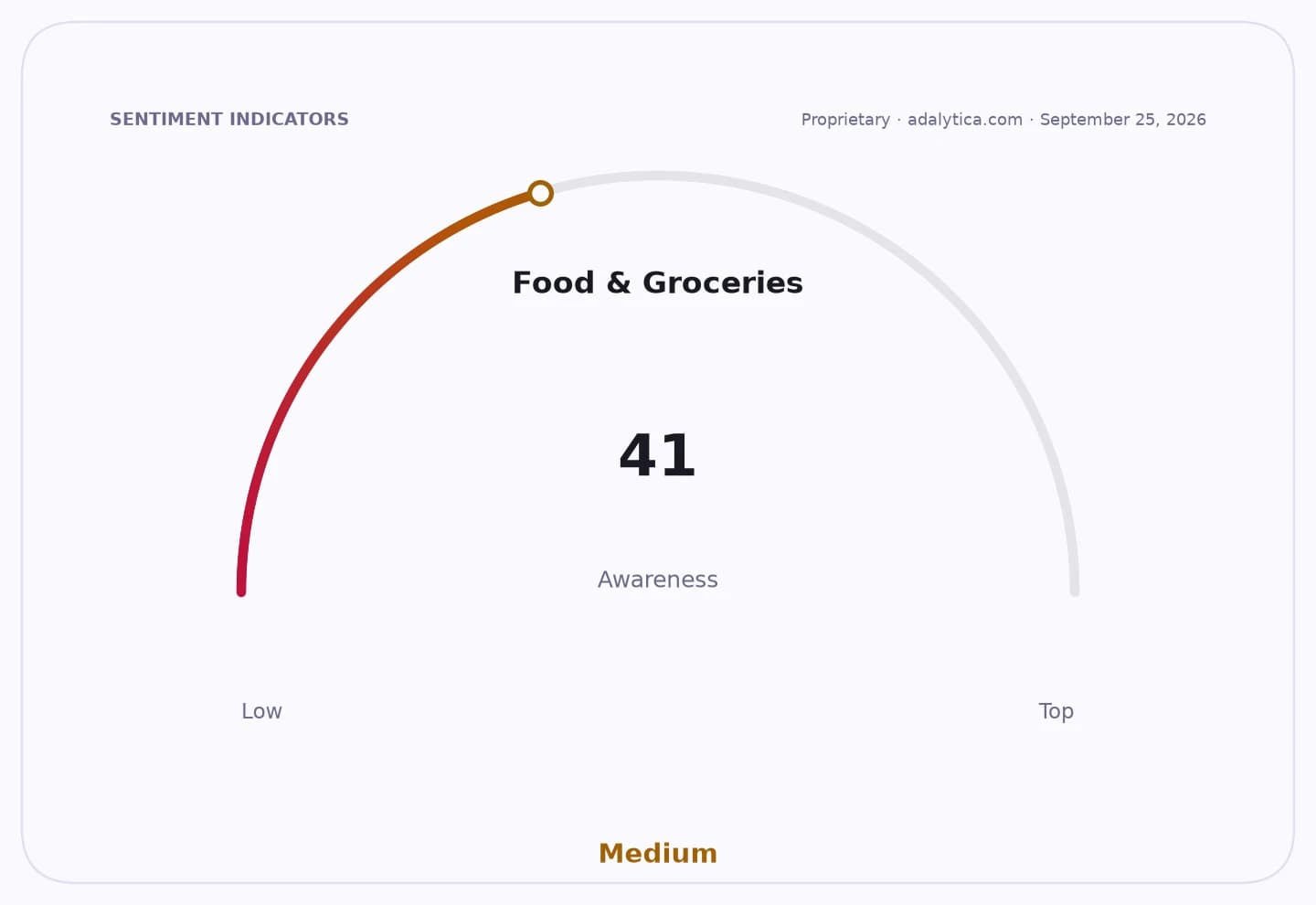
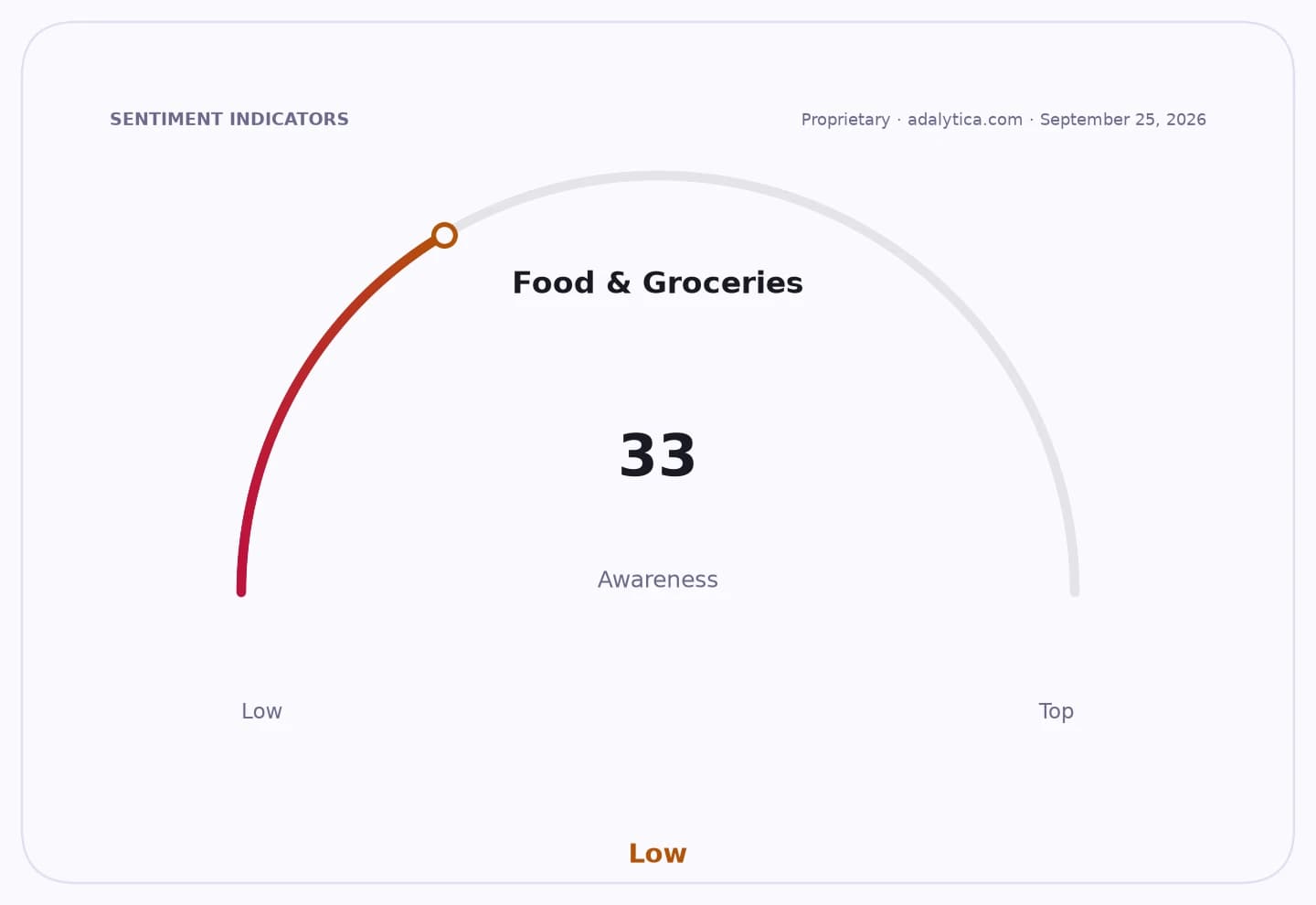
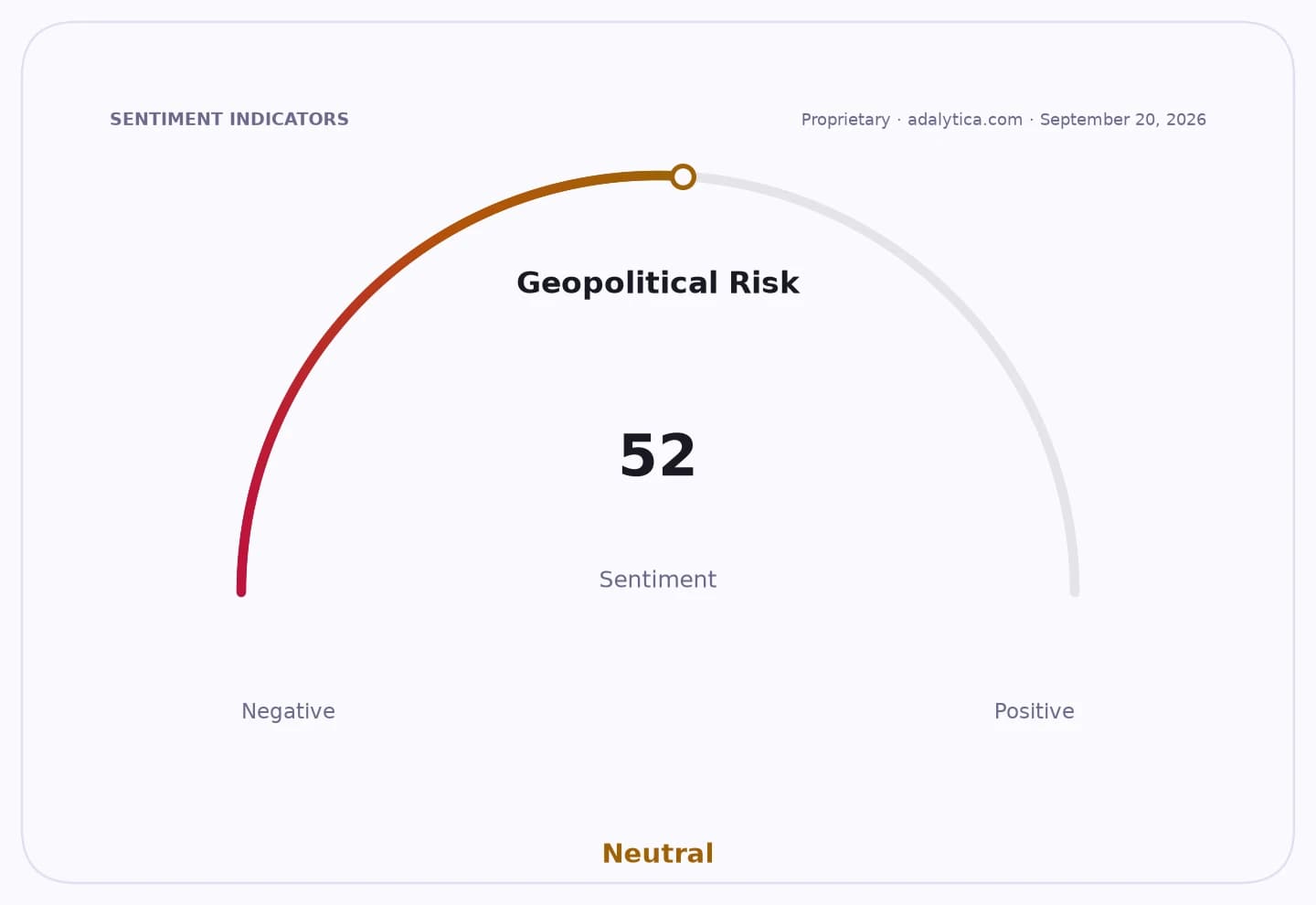
Sentiment IndicatorsⓘProprietary · adalytica.com · August 31, 2026
This is a snapshot — live sentiment, awareness and momentum for 130+ markets update continuously in the dashboard.Open AlphaPulse
That has already lifted benchmark wheat futures sharply. ZW=F has surged to 774 cents a bushel, up from 510.75 a year earlier, while the iPath Series B Bloomberg Wheat Subindex ETN, WEAT, climbed to $28, its highest level in the provided tape and well above its 50-day moving average of $24.23.
The move is also feeding broader agricultural-market stress. Adalytica’s Corn Fear & Greed Index shows “Extreme Fear” at 0, underscoring how quickly grain sentiment can swing when Black Sea risk rises, while oil-linked trade signals remain in “Extreme Greed,” reflecting the wider inflationary pressure that can accompany supply shocks.
For consumers and policymakers, the stakes are inflationary. The U.S. Consumer Price Index has been running at 332.813, and the producer price index for all commodities is forecast to rise to 289.769, leaving little room for another food-price spike if wheat shortages deepen. Import-dependent countries would be especially exposed if export routes remain constrained.
The pressure also matters for agribusinesses. Archer-Daniels-Midland and other grain handlers can benefit from higher merchandising margins and volatility-driven trading, but they also face greater inventory and logistics risk if the conflict disrupts flows for longer than expected. Ukraine’s use of duty-free wheat export access to the EU adds another sign that supply routes are already strained.
Investors will be watching whether the rally extends beyond a geopolitical scare and into a more durable supply squeeze. The next catalyst is any fresh damage to port or grain infrastructure, along with export-flow data from the Black Sea region and any signs that shipping or insurance costs are climbing again.
| Entity | Gains | Losses |
|---|---|---|
| Wheat bulls | ▲Higher prices | ▼Supply normalization |
| WEAT holders | ▲Mark-to-market gains | ▼Price reversal |
| ADM and grain traders | ▲Wider trading margins | ▼Inventory and logistics risk |
| Import-dependent countries | ▲None | ▼Higher food bills |