Argentina’s corn exports are set to reach a record 10 million tons in August and September, underscoring how the shutdown of Ukraine’s Black Sea ports is reshaping global grain flows and diverting demand toward South American suppliers.
Argentina Corn Exports Rise on Ukraine Port Shutdown
The shift matters because it shows how a regional war disruption can quickly reprice trade routes, widen export opportunities for rivals and deepen pressure on one of the world’s most important food suppliers. Argentina, the third-largest corn exporter, is benefiting from a record harvest and strong overseas demand at the same time that buyers in North Africa and other traditional Ukrainian markets are struggling to secure Black Sea cargoes.
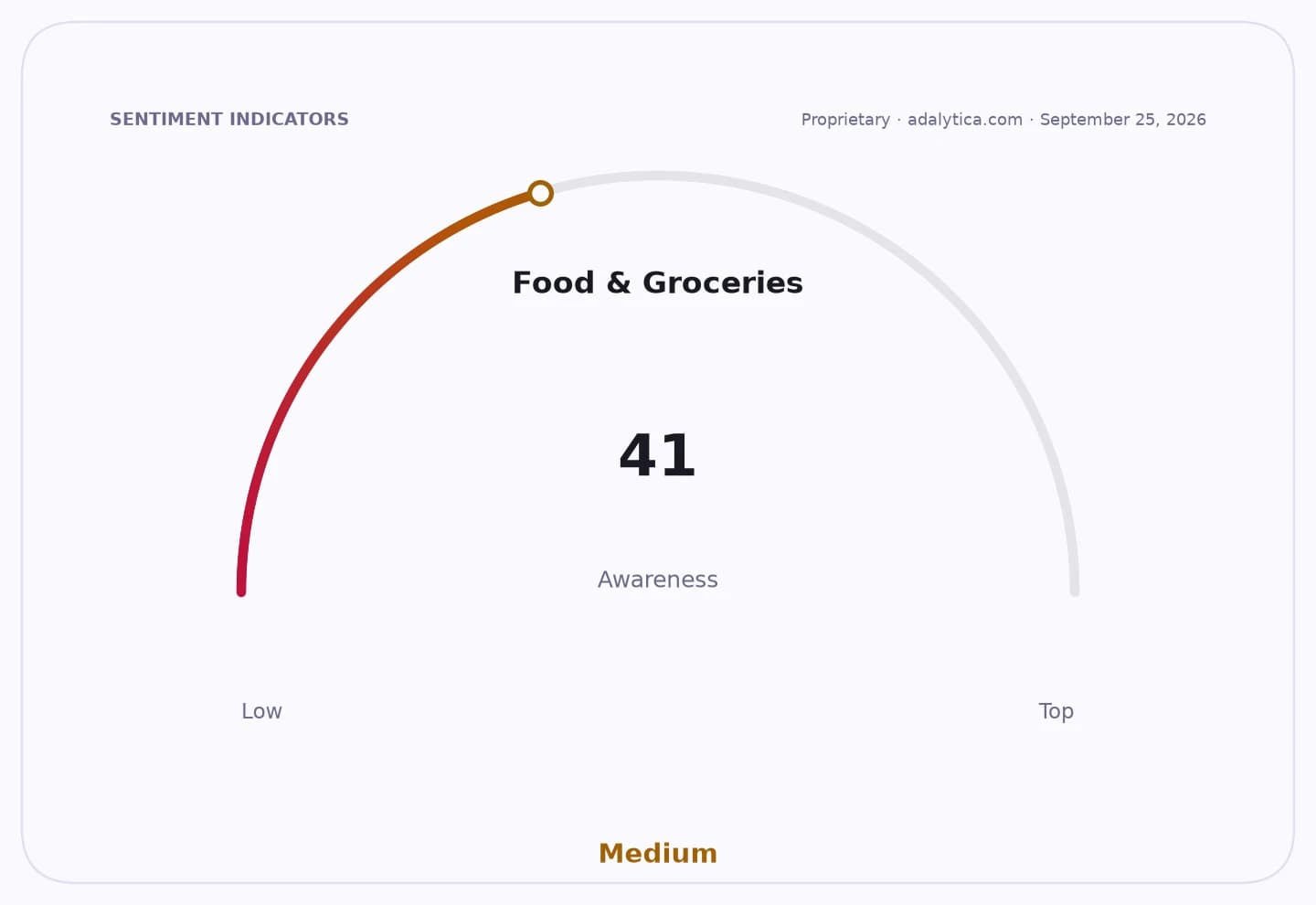
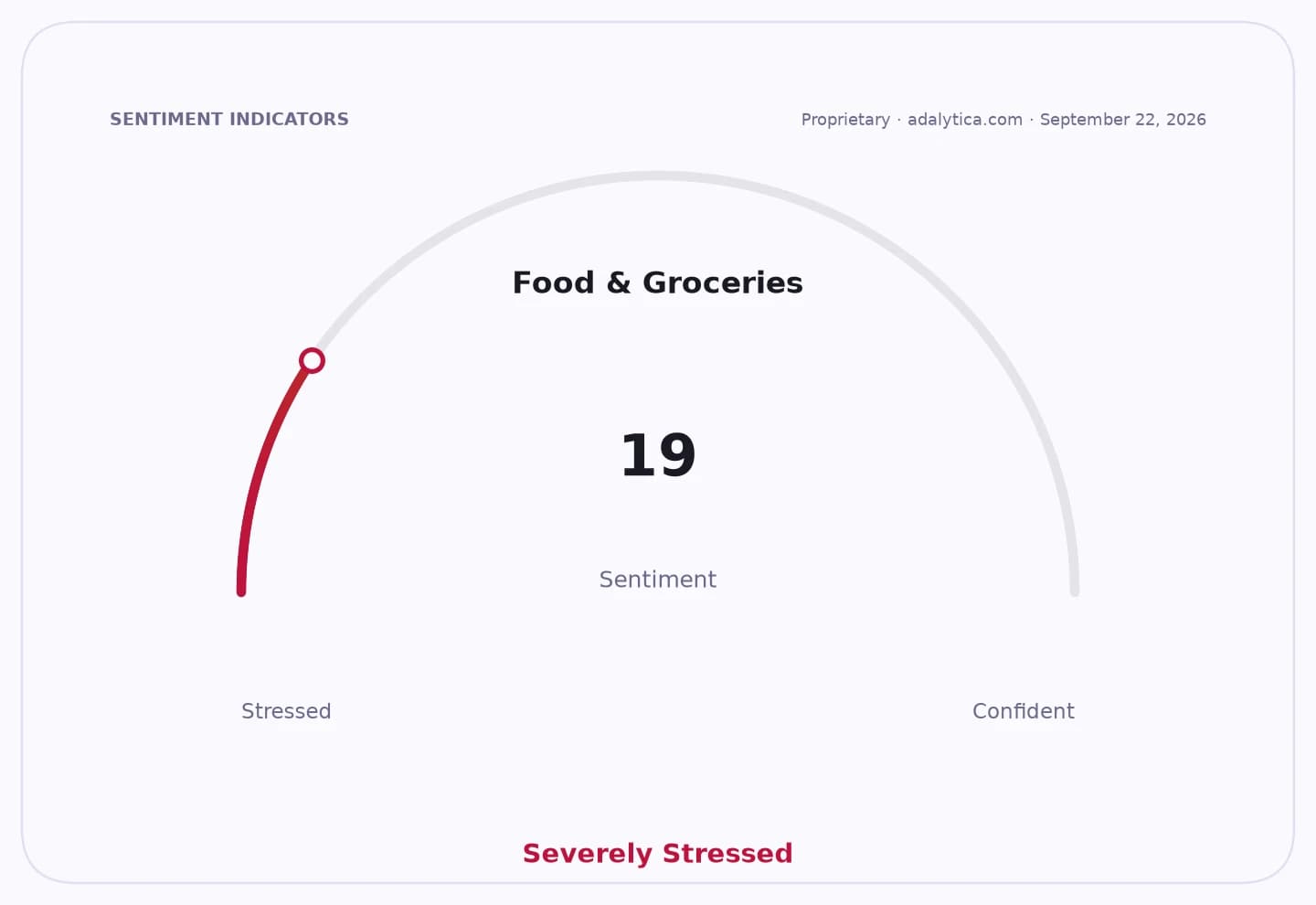
Sentiment IndicatorsⓘProprietary · adalytica.com · September 10, 2026
This is a snapshot — live sentiment, awareness and momentum for 130+ markets update continuously in the dashboard.Open AlphaPulse
Argentina’s crop is expected to reach 71.7 million tons, almost 20% above its previous record, giving exporters the physical supply to capture displaced demand. Gustavo Idigoras, head of the CIARA-CEC grain exporters’ chamber, said demand for Argentine corn has risen from North African countries that normally buy from Ukraine. Data from the statistics agency INDEC show corn shipments to North Africa jumped 45% in the first seven months of 2026 to 6.5 million tons, while total corn exports rose 15%.
Ukraine’s export decline is severe enough to alter market balances well beyond the Black Sea. Since July 21 no vessel has entered Ukrainian sea ports, and Russian attacks have kept the ports of Greater Odesa shut. Alternative river routes on the Danube have also been constrained by low water levels. As a result, Ukraine’s agricultural exports fell to almost 1.73 million tons in the first 27 days of August from 3.29 million tons in the same period of July, while combined wheat, corn and barley shipments dropped 69.5% to 740,000 tons.
For investors, the immediate implication is a stronger backdrop for grain merchants, exporters and logistics providers exposed to South American origin, while Ukraine-linked exporters face slower volumes and weaker pricing power. Shares of grain traders such as Archer-Daniels-Midland and Bunge often respond to tighter trade spreads and higher merchandising activity, although the benefit depends on origin availability, freight costs and margin capture. On the market side, corn and wheat futures can take direction from the same supply shock, even if global inventories and competing crops limit the scale of any sustained rally.
The economic stakes for Ukraine are larger still. The Ukrainian Grain Association warned that an inability to move large volumes of the harvest would hit farm income, domestic price formation, the broader economy and the country’s balance of payments. Kyiv has already cut its 2026/27 grain export forecast by 12% to 38 million-40 million tons and warned of storage shortfalls of 8 million-11 million tons, raising the risk that harvest bottlenecks will feed back into farm cash flow and currency pressure.
Argentina’s gain is therefore not just a seasonal export win. It is evidence of a deeper reallocation in global grain trade caused by war and weather, with Black Sea disruption meeting crop losses in Europe and leaving southern hemisphere suppliers to fill the gap. If port access in Odesa remains blocked, Argentina is likely to keep capturing displaced demand, while Ukraine faces a prolonged struggle to defend market share, export revenue and its role in global corn supply.
| Entity | Gains | Losses |
|---|---|---|
| Argentina exporters | ▲Record shipments, higher demand | ▼Freight and logistics strain |
| Ukraine farmers/exporters | ▲— | ▼Lost market access, lower volumes |
| North African buyers | ▲Alternative supply source | ▼Less access to Black Sea grain |
| Grain traders/logistics firms | ▲More trade flows and margins | ▼Higher route disruption risk |