Turkey’s much-discussed “First Home” mortgage programme has not yet opened for applications, leaving would-be buyers without the cheap financing many had been hoping for and keeping pressure on affordability in a housing market where borrowing costs remain elevated.
Turkey First Home mortgage programme not yet open
Housing
As of Nov. 23, no official application process has been launched for the proposed low-rate loan, despite public talk of a 1.20% monthly interest rate and 180-month maturity. The conditions, loan cap and start date are still undecided, and Ziraat Bankası, Halkbank and VakıfBank have not begun taking applications.
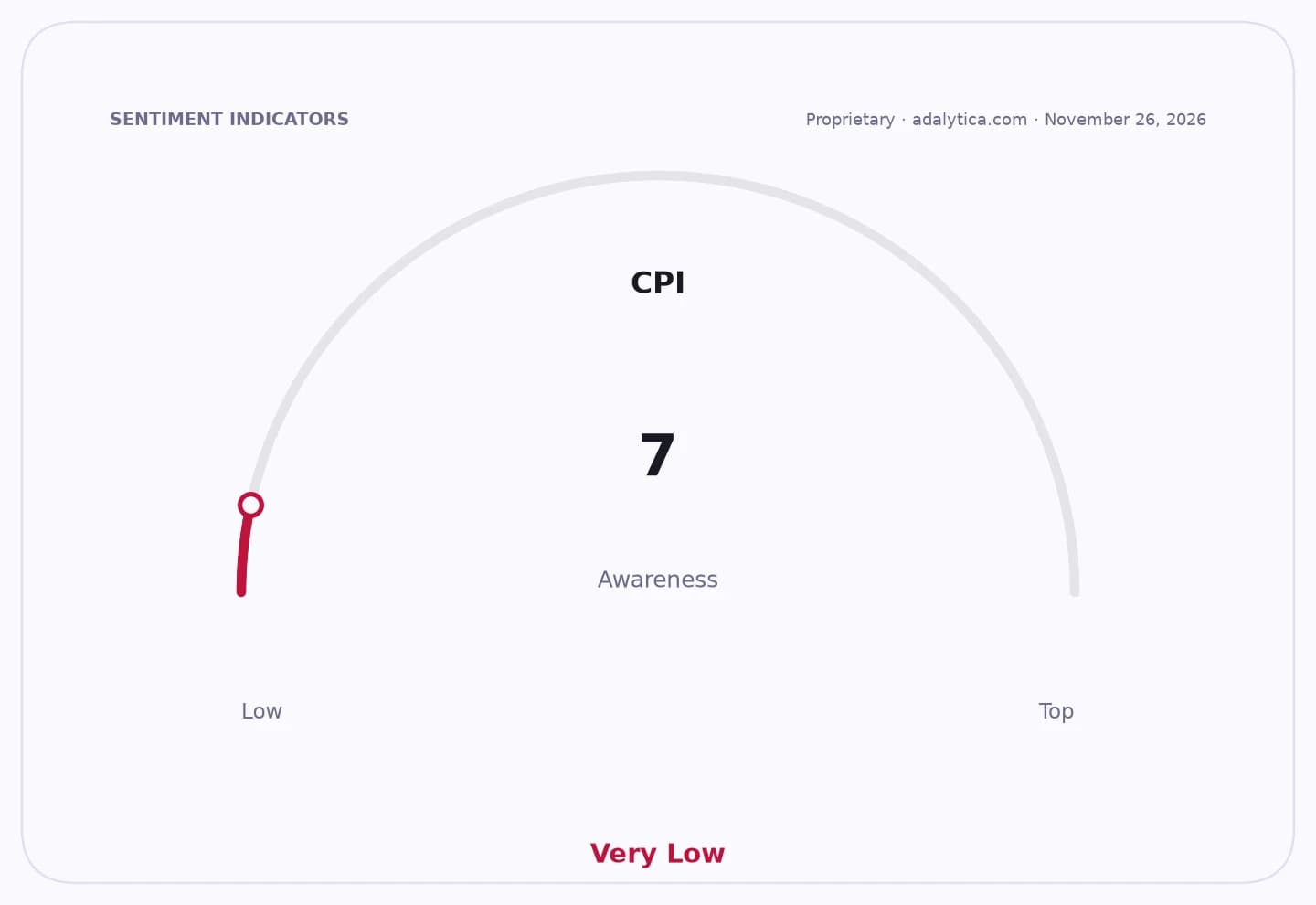
Sentiment Indicators
The uncertainty matters because the proposed scheme is meant to ease access to housing for first-time buyers at a time when mortgage finance is still expensive. In the United States, the average 30-year mortgage rate remains above 7%, while broader global borrowing conditions are expected to stay tight well into 2027, underscoring how sensitive home demand is to rate changes.
In Turkey, two draft laws are now before parliament’s Plan and Budget Committee. One, submitted on June 17, would support young people aged 18 to 35 buying their first home, provided neither they nor their spouse or children own property. A second bill, introduced on July 1, seeks to extend low-interest financing to all first-time buyers through state banks.
That has made the proposed 1.20% rate a focus for households and investors alike, even though any payment tables circulating publicly are only hypothetical calculations and not official bank offers. The final design — including age limits, income tests, down payment requirements and repayment terms — will depend on how lawmakers write the programme into law.
The broader backdrop is a Turkish housing market still constrained by financing conditions. The Banking Regulation and Supervision Agency’s January 29 decision allows loans of up to 70% to 90% of a property’s appraised value for homes priced at 5 million lira or less, depending on energy class, but that framework applies to standard mortgages, not the proposed First Home package.
For investors, the story is less about an immediate credit event than about what a state-backed mortgage programme could do to housing demand, bank origination volumes and affordability if it is approved. U.S. mortgage lenders have already shown how rate shifts feed directly into origination activity and servicing income, and Turkish lenders would likely face a similar pickup if low-cost first-home loans are finally rolled out.
The key catalyst is legislative: the market is now waiting for parliament’s next move and any guidance from the relevant ministries and state banks on whether the programme will be launched, who will qualify and how much support will actually be available.
| Entity | Gains | Losses |
|---|---|---|
| First-time homebuyers | ▲Lower borrowing costs | ▼Delayed access to financing |
| State banks | ▲Higher mortgage volumes | ▼Margin pressure from subsidized rates |
| Existing landlords | ▲Potentially steadier demand | ▼More competition from new buyers |
| Parliament/government | ▲Political credit if launched | ▼Scrutiny over execution delays |