Turkey’s labor market is showing a more troubling imbalance: employers are advertising more jobs, but fewer people are being placed, while the number of registered job seekers keeps rising above 2.3 million. That gap matters because it points to a market that is not turning vacancies into employment efficiently, even as firms continue to report demand for labor.
Turkey job seekers rise as placements fall

According to İŞKUR’s September 2026 data, registered job seekers climbed to 2.34 million, up 3.41% from a year earlier, while placements through the agency fell 4.96% to 140,841 in the month. The split between higher vacancies and weaker hiring suggests that labor demand is not matching workers in the right sectors, regions or skill levels — a problem that can restrain household income growth and limit consumption even when headline job creation appears resilient.
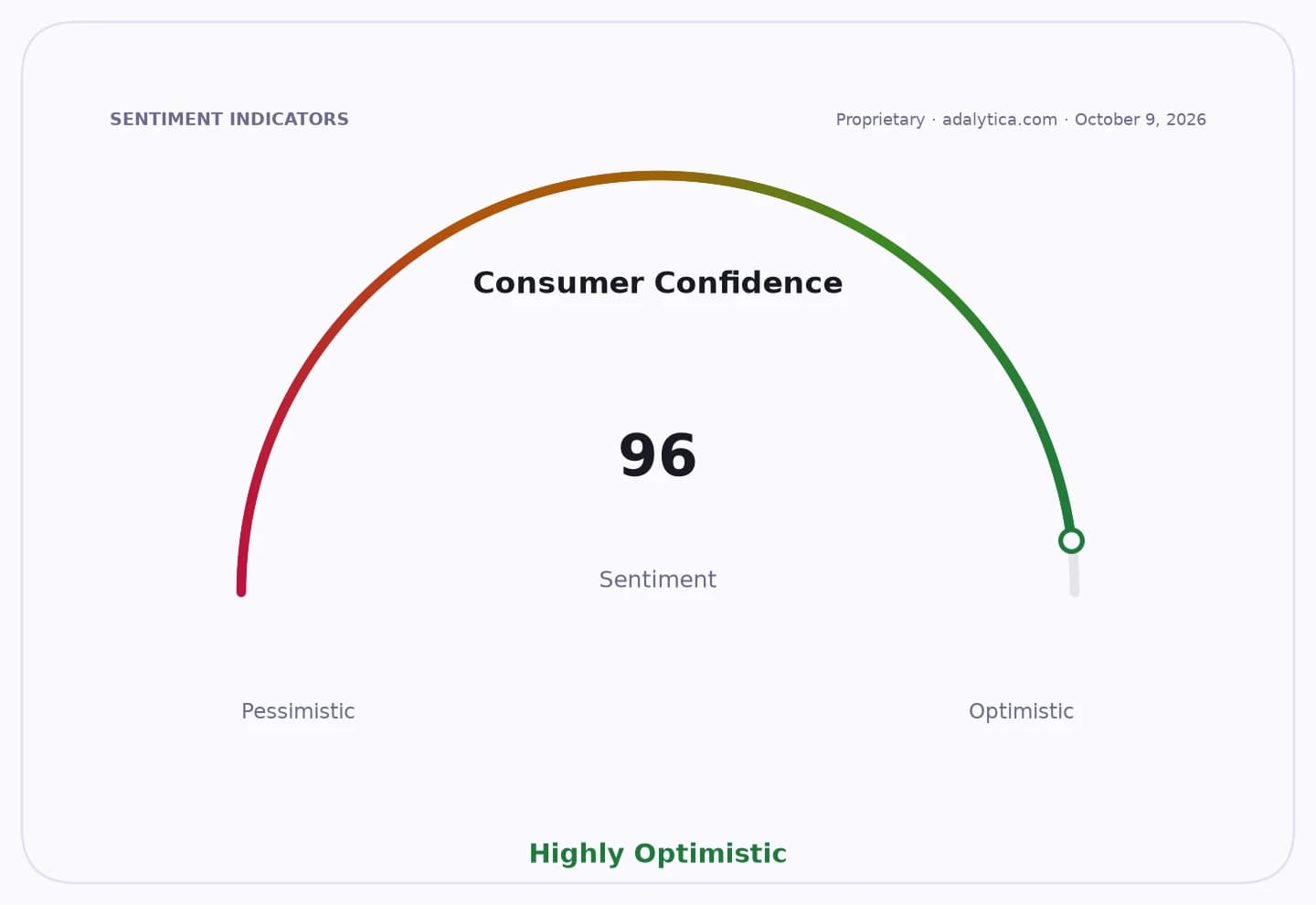
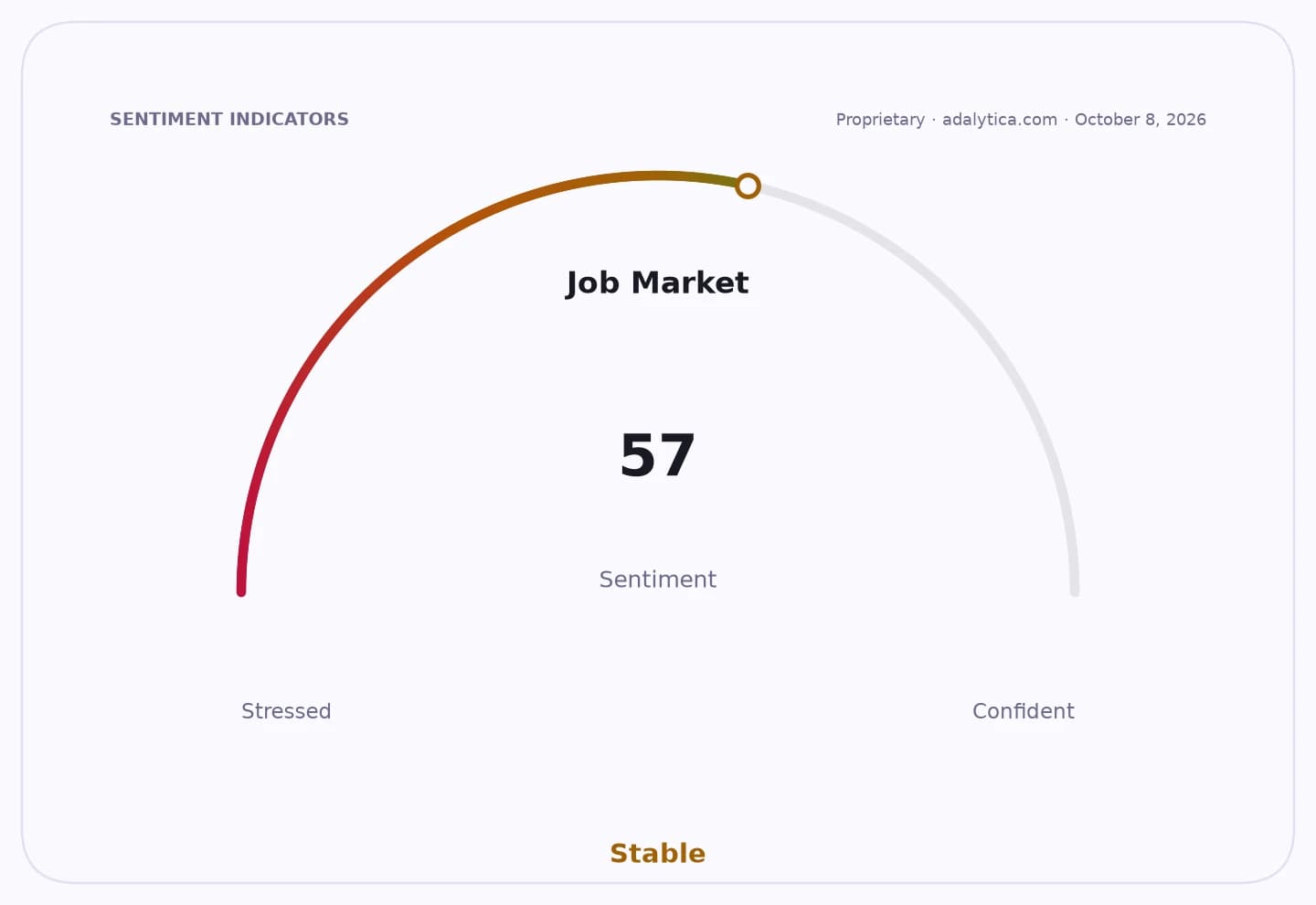
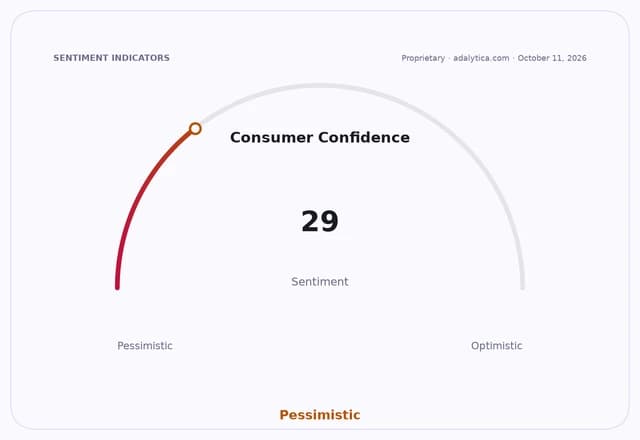
Sentiment IndicatorsⓘProprietary · adalytica.com · October 11, 2026
This is a snapshot — live sentiment, awareness and momentum for 130+ markets update continuously in the dashboard.Open AlphaPulse
The mismatch is especially visible in the private sector, which accounted for 99.6% of reported vacancies. Employers told İŞKUR about 225,562 open positions in September, up 6.02% from a year earlier, with manufacturing alone generating 655,223 openings in the January-September period. Yet placements did not keep pace. In the first nine months of the year, 1.09 million people were placed, a figure that is still large but insufficient to prevent the registered unemployed pool from expanding.
That disconnect is important for policymakers because it suggests the issue is not simply a shortage of vacancies, but a labor market that may be facing frictions in training, mobility and job matching. İŞKUR’s own data underline that point: individual counseling interviews rose 26.99% in September to 337,403, and active labor programs reached 74,203 people in the first nine months. Even so, more than 2.3 million people remained on the books, indicating that participation in programs is not yet producing enough durable employment.
The data also show where the pressure is building. Young people aged 15 to 24 made up 25% of registered job seekers, or one in four. That matters economically because weak entry-level hiring can delay workforce attachment, depress lifetime earnings and leave companies with persistent skills mismatches. Women accounted for 51.2% of registered job seekers, while the larger annual increase among men points to a broadening labor-market strain rather than a narrow demographic issue.
For investors, the main implication is that Turkey’s domestic-demand story may be less robust than hiring headlines suggest. A labor market with rising jobless registrations and falling placements can weigh on consumer spending, especially if wage gains fail to keep up with living costs. It also raises the risk that companies exposed to Turkish households — from retailers to discretionary services — face slower volume growth than vacancy data alone would imply.
The broader takeaway is that Turkey’s employment picture is becoming more about absorption than creation. Openings are still there, but the system is struggling to convert them into hires at the same pace. Unless matching improves, the country may continue to post labor demand data that looks healthy on the surface while unemployment pressure builds underneath.
| Entity | Gains | Losses |
|---|---|---|
| Employers | ▲access to applicants | ▼slower vacancy filling |
| Job seekers | ▲more openings reported | ▼tougher placement rates |
| Turkey consumers | ▲some labor demand support | ▼weaker income momentum |
| Retailers and services | ▲potential hiring pipeline | ▼softer household spending |