Landeck’s labor market remains resilient, with unemployment edging up only 1.5% from a year earlier even as employers still report 397 immediately available vacancies and the district continues to run below the broader Austrian and Tyrolean jobless trends.
Landeck unemployment rises slightly amid 397 vacancies
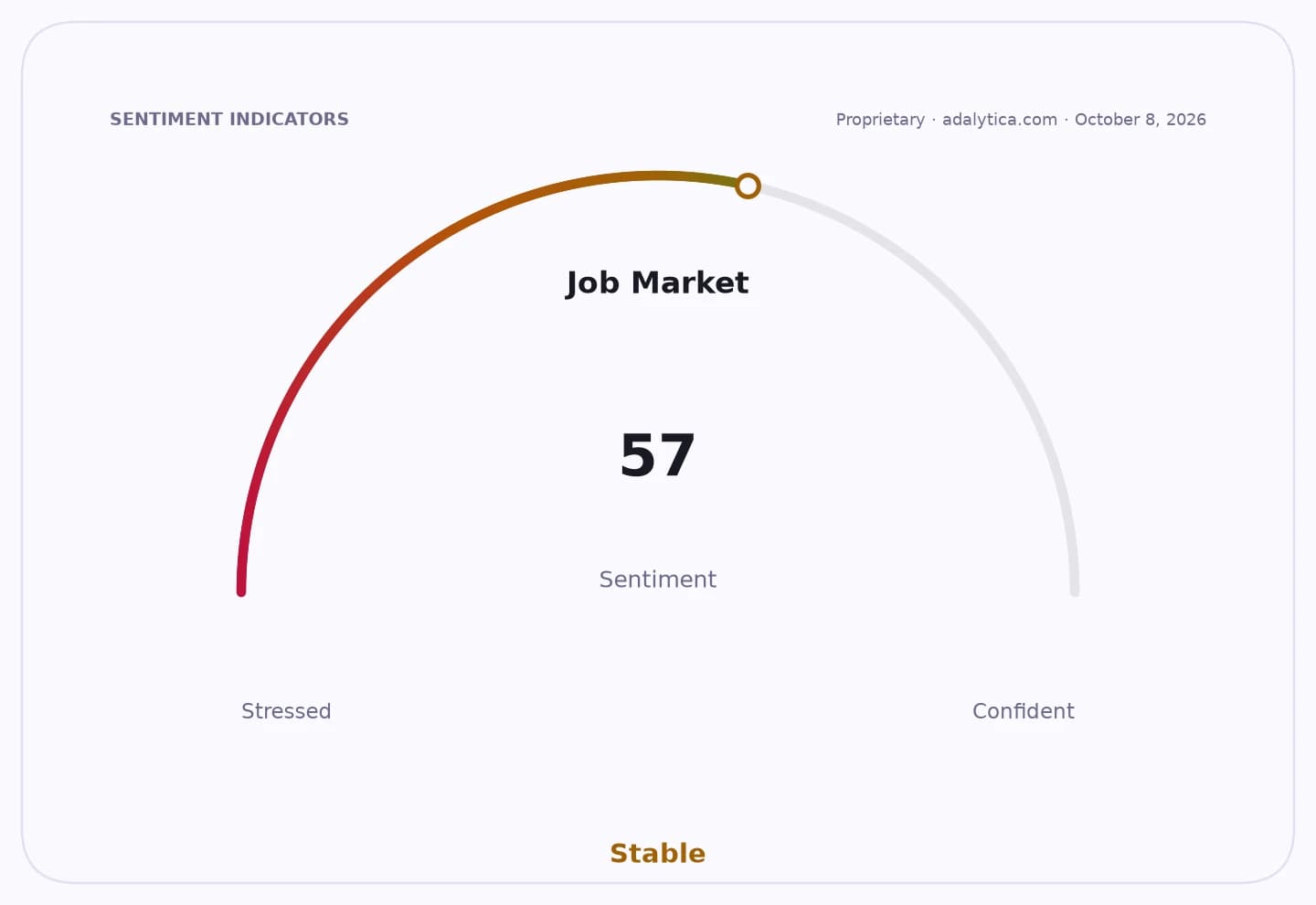
That matters because the story is not a cyclical breakdown; it is a tight labor market showing strain in pockets, especially among older workers and women, while overall demand for labor remains strong. At the end of September, 1,350 people were registered as unemployed in the district, up just 20 from a year ago, a far smaller increase than the national gain of 2.5% and the 1.7% rise across Tyrol. For investors and local businesses, that points to a region where employment is still being supported by active hiring, even as wage pressure, recruiting costs and skill mismatches likely remain elevated.
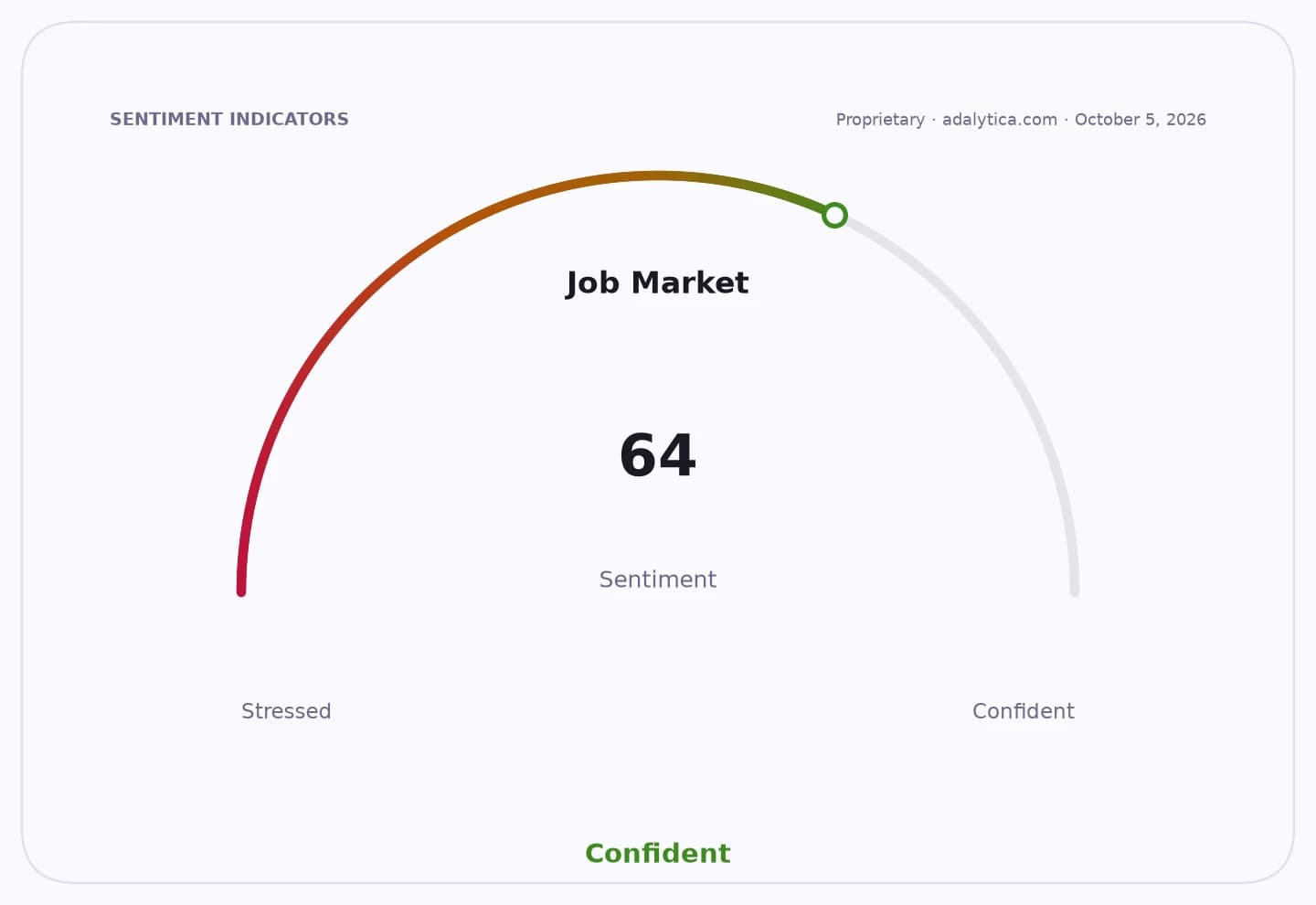
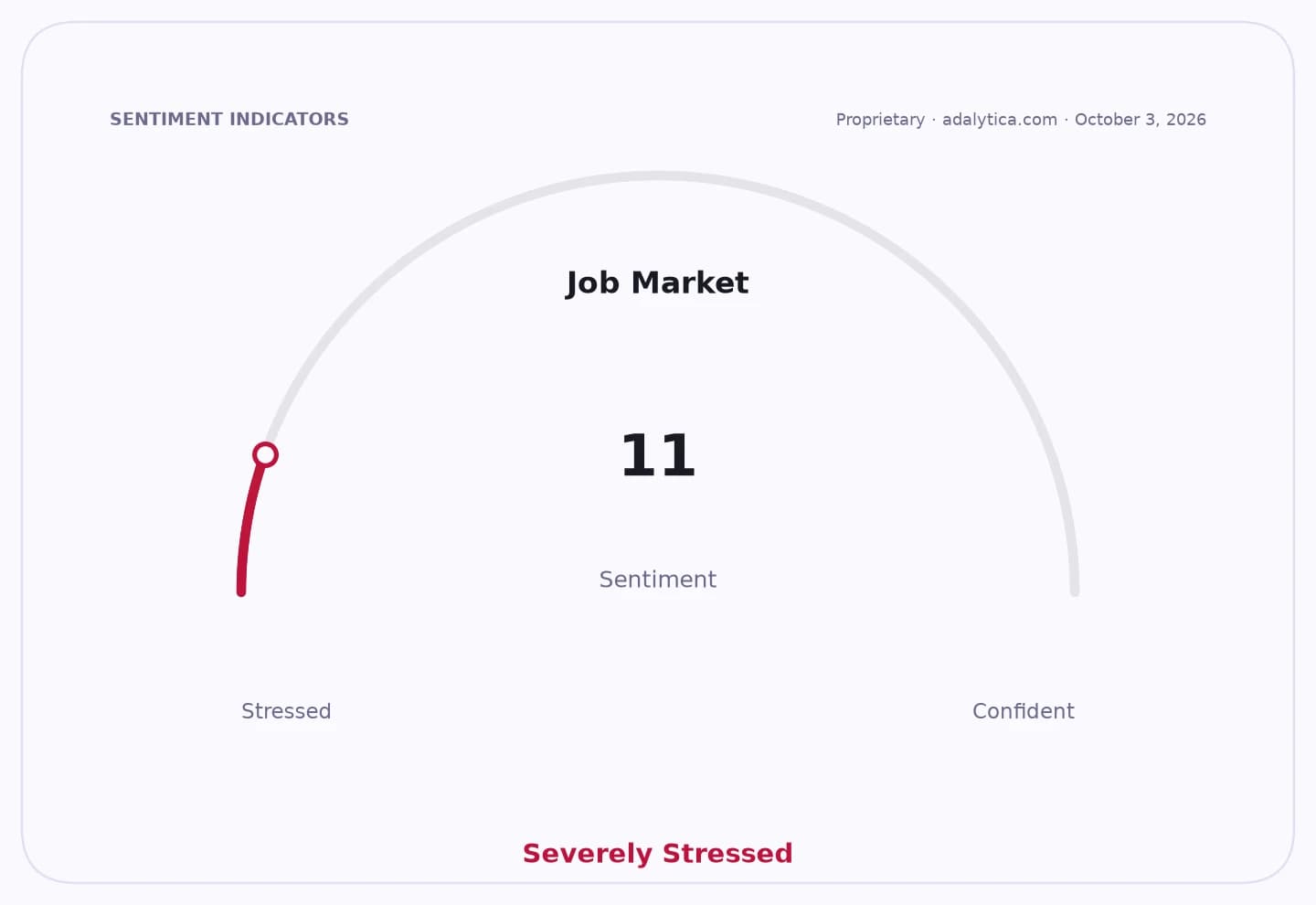
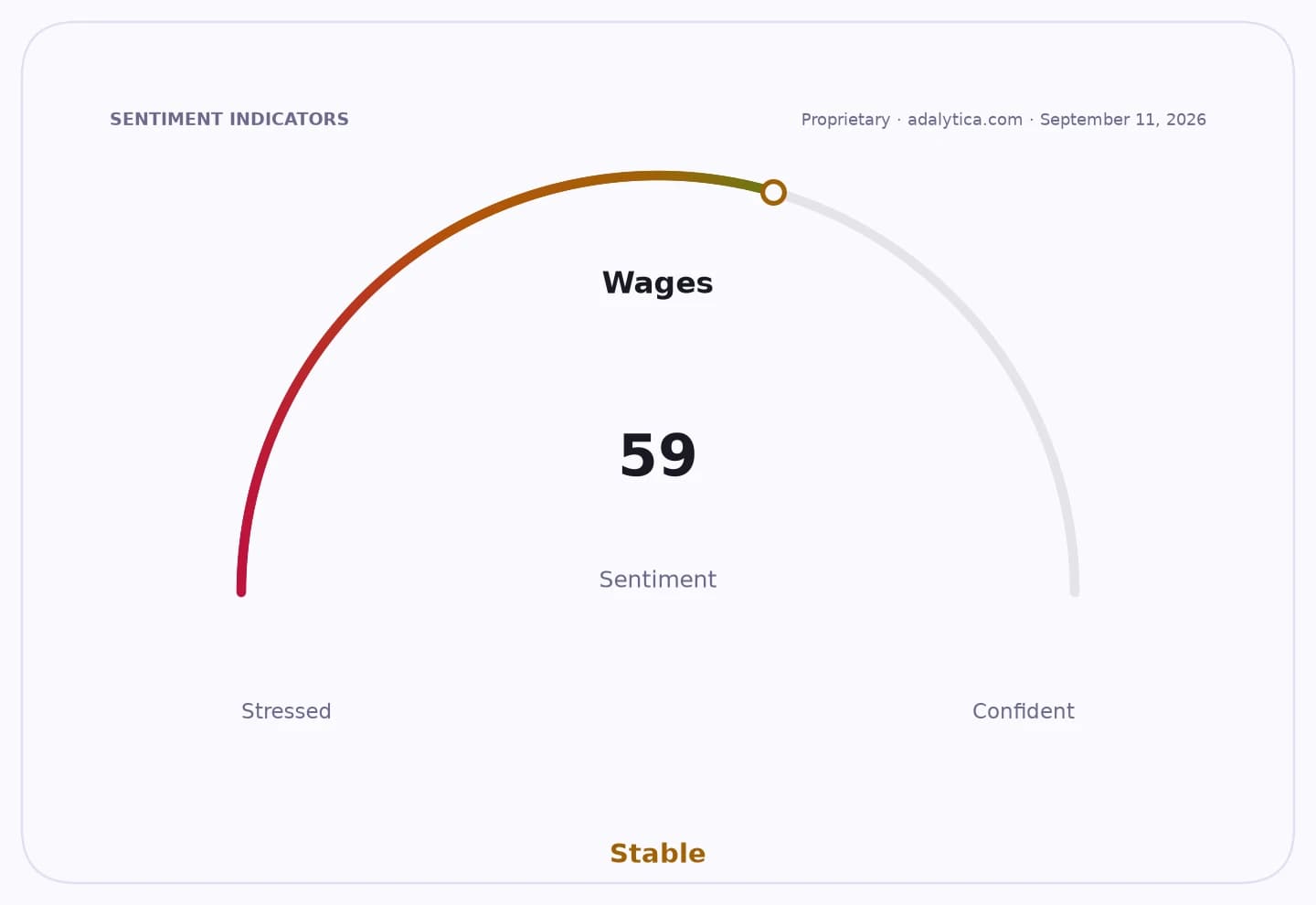
Sentiment IndicatorsⓘProprietary · adalytica.com · October 8, 2026
This is a snapshot — live sentiment, awareness and momentum for 130+ markets update continuously in the dashboard.Open AlphaPulse
The imbalance between job seekers and openings is the key signal. Nearly 400 vacancies in a relatively small district underscores persistent demand, particularly in a seasonal economy such as tourism and services, where staffing shortfalls can quickly hit revenue. AMS Landeck says it is responding with training and recruitment campaigns outside Tyrol, including job fairs in Vienna and St. Pölten, which is a sign that the labor constraint is structural rather than temporary. In other words, employers are not just competing for workers locally; they are being forced to widen the search.
The labor data also points to a more uneven recovery beneath the headline stability. Unemployment among women rose 3.8% to 847, while the number of unemployed men fell 2.1% to 503. The sharpest jump came among people over 50, where unemployment climbed 12.9% to 463, and women over 60 saw a 77.8% surge to 64. That is economically important because older job seekers typically take longer to place, which can raise welfare costs and keep labor participation below potential. Long-term unemployment, however, remains exceptionally low at just 11 people, suggesting the district has avoided the kind of deep labor scarring seen in weaker economies.
For markets, the read-through is straightforward: a stable but tight jobs backdrop supports consumer spending and local services, while keeping pressure on employers to invest in training, retention and recruitment. The fact that the AMS says its gastronomy competence center is already fully booked, with 14 new trainees in the latest reception course, shows where the bottleneck is likely to persist — in service-sector labor supply. The market is underestimating how much value sits in workforce infrastructure, vocational training and labor-mobility systems when unemployment is low and hiring remains stubbornly strong.
The next catalyst is whether this resilience broadens or cracks. If vacancies keep outpacing supply, wage pressure and recruitment costs will stay sticky; if training and out-of-region hiring succeed, Landeck’s labor market could remain one of the steadier pockets in western Austria. For investors, the takeaway is to favor employers, service providers and education-linked businesses that benefit from a durable need for skilled labor rather than a softening economy.
| Entity | Gains | Losses |
|---|---|---|
| Employers in Landeck | ▲Easier access to training pipelines | ▼Higher recruiting costs |
| Job seekers with skills | ▲Strong demand for labor | ▼Slower placement if over 50 |
| AMS Landeck | ▲More relevance as matcher and trainer | ▼Pressure to fill vacancies |
| Seasonal service businesses | ▲Stable labor market support | ▼Persistent staffing shortages |