Austria’s labour market remains sharply segregated by gender, a divide that continues to shape pay, career progression and retirement outcomes for women, according to a new analysis by the Upper Austrian chamber of labour.
Austria Labor Market Gender Gap Widens
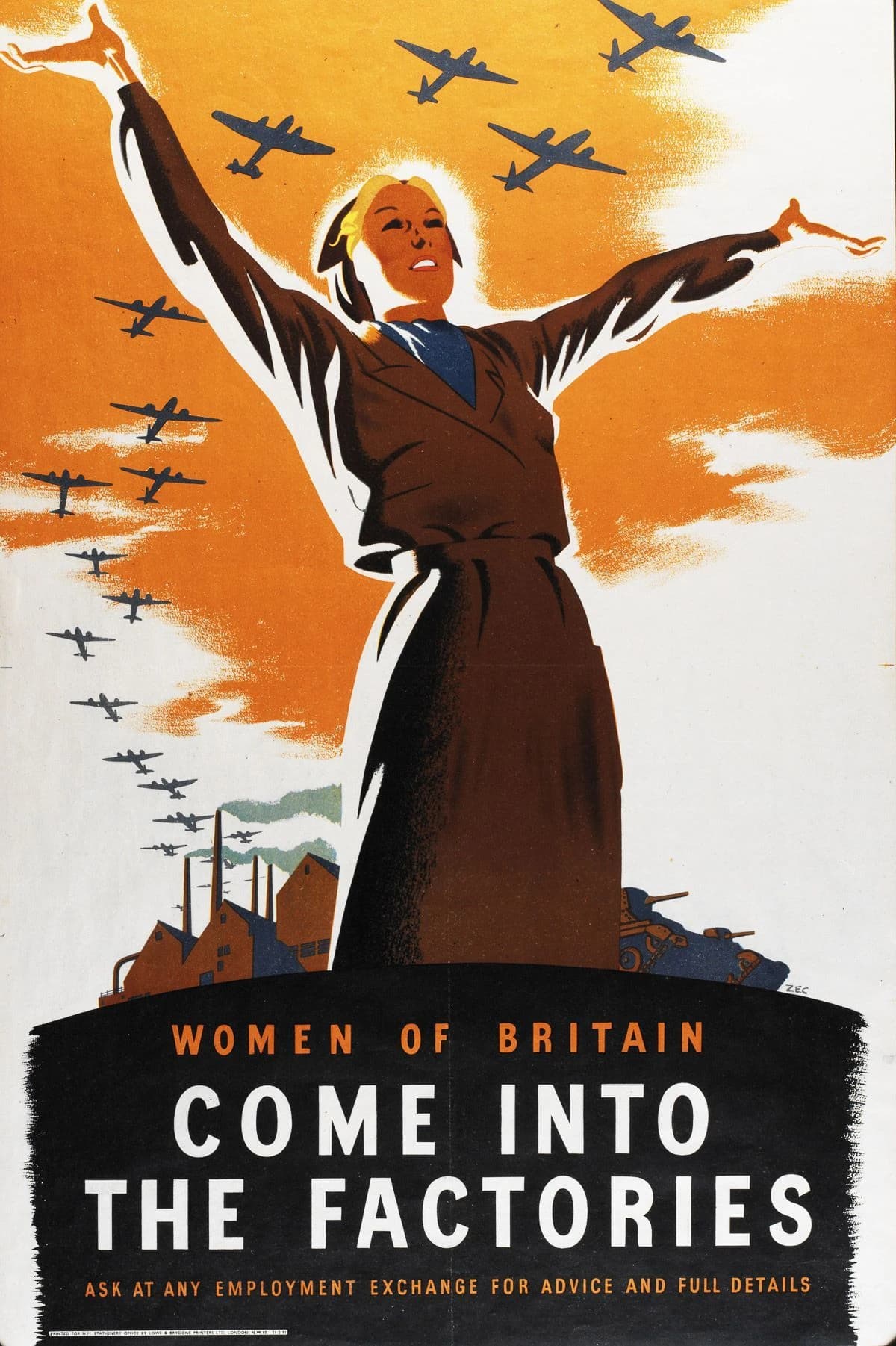
The report matters because occupational segregation is not just a social issue; it is an economic drag. When women are concentrated in lower-paid sectors and men dominate the most technical and physically demanding jobs, the result is a persistent gap in earnings, advancement and long-term wealth accumulation. That makes the structure of the labour market a direct factor in household consumption, tax revenue and future pension burdens.
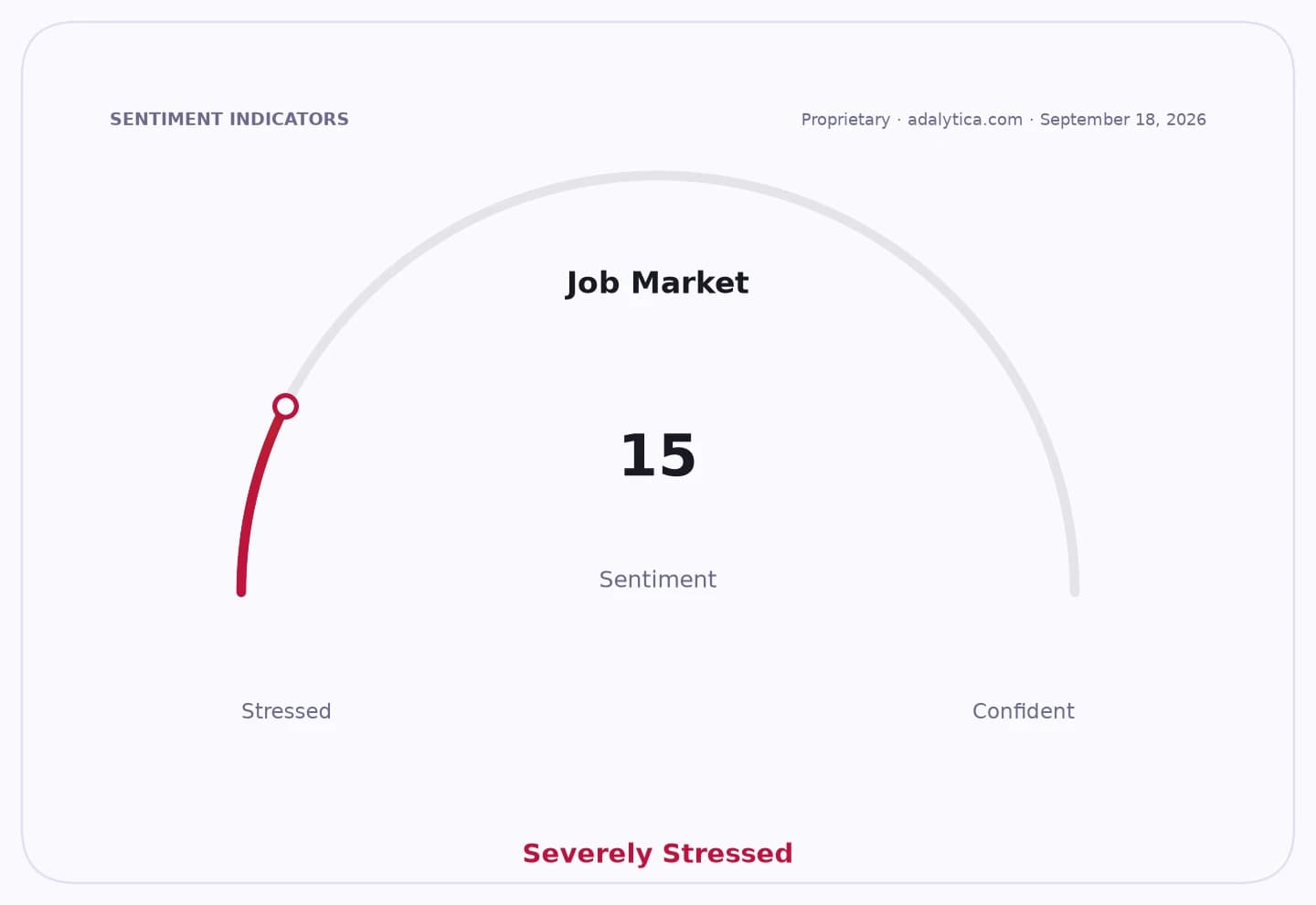
Sentiment IndicatorsⓘProprietary · adalytica.com · September 26, 2026
This is a snapshot — live sentiment, awareness and momentum for 130+ markets update continuously in the dashboard.Open AlphaPulse
The Arbeiterkammer OÖ said three quarters of workers in health and social care are women, while women account for 63% of public administration, 60% of education and 54% of retail. On the other side, 87% of construction workers are men, alongside 86% in mining and 78% in waste management and water supply. Men are also overrepresented in transport and technical occupations.
The divide begins early. Of roughly 101,000 apprentices in training companies in 2024, about 33,000 were women, the AK said. Girls and young women cluster in office and secretarial training, where they made up 78% of apprentices, and in retail, at 62%. But in machine building and metalworking, the female share was only 12%; in construction it was 8%, and in electricity and energy 6%.
That matters for investors and policymakers because labour-market sorting tends to become self-reinforcing. Firms drawing from a narrow talent pool face tighter hiring constraints in some sectors, while women remain underrepresented in higher-paid technical pipelines that feed into industrial output, infrastructure and energy jobs. The result is not only an equity problem but a productivity one.
The AK also said the imbalance persists at the top of the hierarchy. Nineteen percent of male employees hold leadership roles, compared with 11% of women. That gap helps explain why women are more exposed to financial stress: 9% of female workers said their income was insufficient to live on, versus 5% of men.
Part-time work remains a major fault line. Among women working fewer than 20 hours a week, 24% said they could not make ends meet. That figure falls to 5% for women working 35 hours or more, underscoring how reduced hours and career breaks linked to childcare can compound lifetime income losses. The AK warned that when women are forced to cut hours or interrupt careers because childcare is unavailable, the impact reaches wages, promotion prospects and eventually pensions.
The policy message is straightforward: Austria’s labour-market participation problem is less about headline employment and more about the quality and distribution of jobs. The chamber renewed its call for universally available, free, year-round, all-day childcare aligned with parents’ work schedules, arguing that equal access to care is a prerequisite for equal opportunity in the labour market.
For investors, the story points to a broader European issue: labour supply is not only scarce, it is misallocated. Economies that cannot bring more women into full-time work, technical apprenticeships and management roles risk slower growth, weaker consumption and deeper fiscal pressure as ageing populations raise pension costs. The upside case is that better childcare and more flexible training pipelines could widen the labour pool and support spending power. The downside is that without reform, the divide remains embedded, and so do the wage and productivity gaps it creates.
| Entity | Gains | Losses |
|---|---|---|
| Women workers | ▲Better childcare, equal access | ▼Lower pay, part-time traps |
| Men in technical trades | ▲Current job dominance | ▼Slower diversification |
| Employers | ▲Larger labour pool if reforms pass | ▼Hiring bottlenecks persist |
| Public finances | ▲Higher female employment if gaps narrow | ▼Bigger pension pressure |