Austria’s metal industry has sealed a two-year wage deal that lifts collective agreement pay by 2.1% and actual wages by 1.9% in 2026-27, below the 3.3% rolling inflation rate used in the talks, underscoring how recession pressure is forcing unions to accept real pay cuts in exchange for job security.
Austria metal sector agrees 2.1% wage deal
The settlement matters because the metal sector is one of Austria’s industrial backbones, with a production value of about 47 billion euros and 130,000 workers across six trade associations, and it sets the tone for upcoming bargaining rounds in the wider economy, including the retail sector, where talks start on Oct. 22. In a labor market still scarred by last year’s downturn, the deal signals that wage restraint remains a central tool for defending competitiveness after roughly 20,000 metal-industry jobs were lost in the prior year.
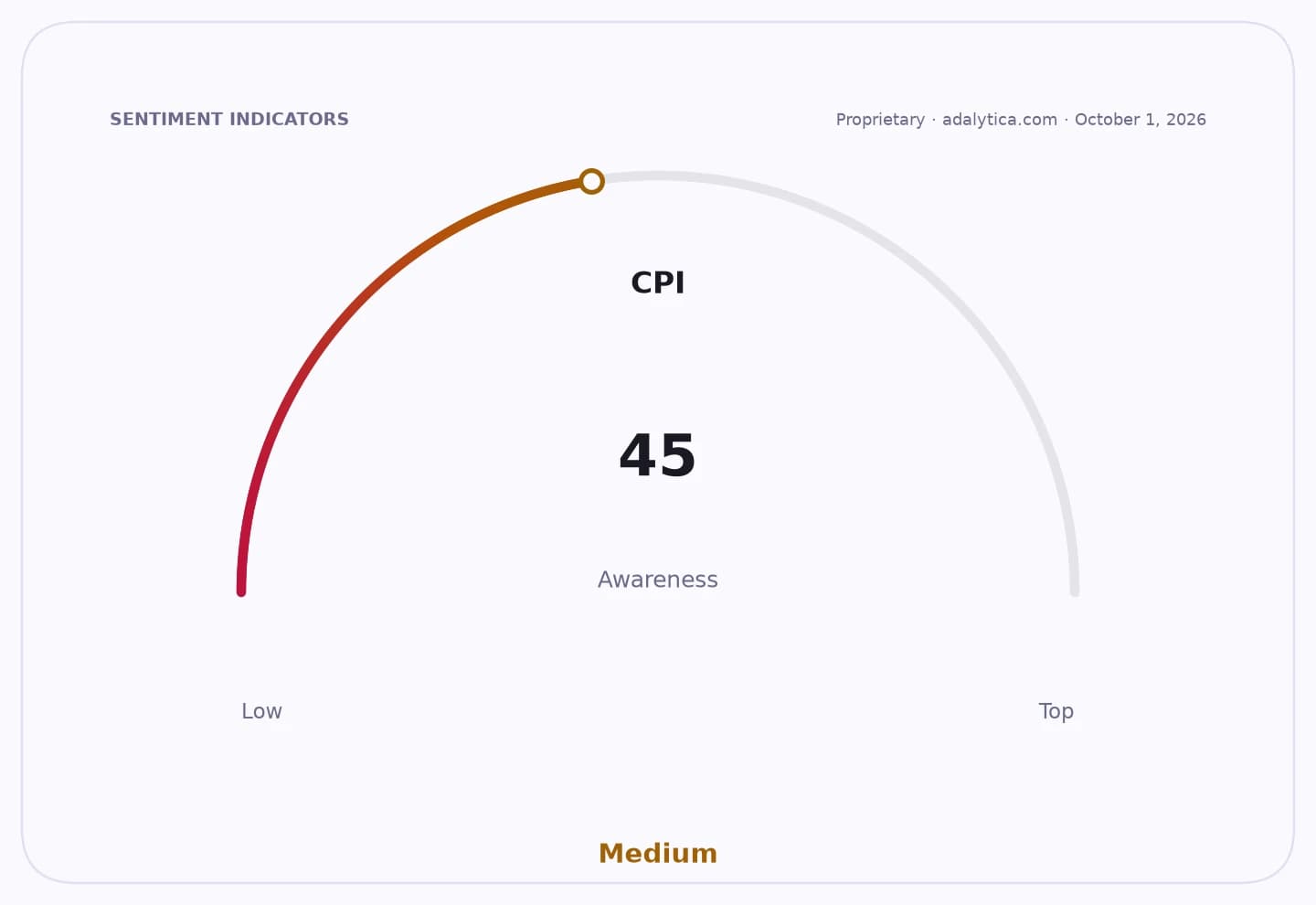
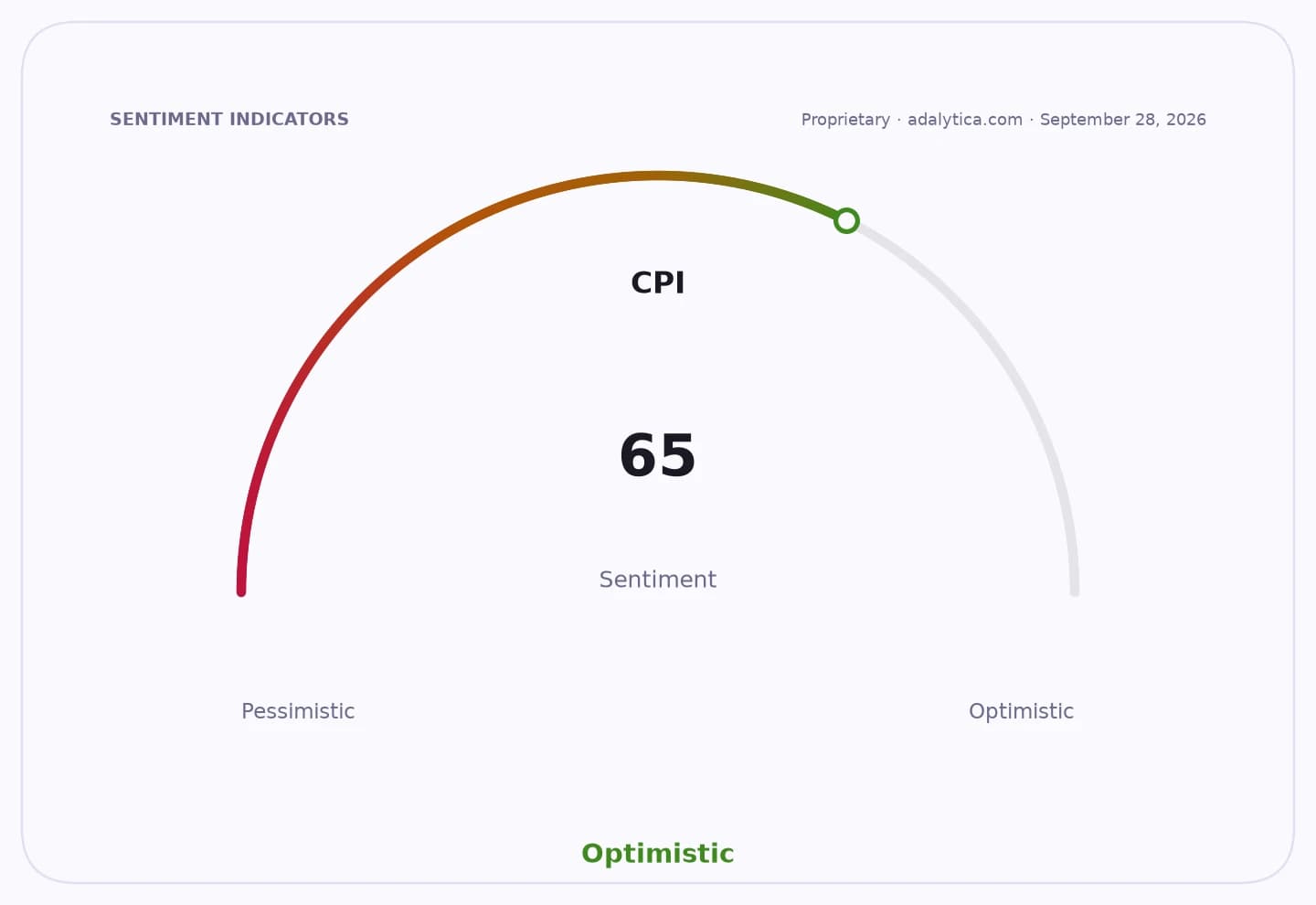
Sentiment IndicatorsⓘProprietary · adalytica.com · September 29, 2026
This is a snapshot — live sentiment, awareness and momentum for 130+ markets update continuously in the dashboard.Open AlphaPulse
For workers, the agreement is a clear break from the recent pattern of inflation-protection bargaining. The minimum wage in the sector will rise to 2,622 euros gross from Nov. 1, while apprentices and allowances get the same 2.1% increase and night and third-shift premiums climb 7.01% to 3.75 euros an hour. But with wages rising less than the current rolling inflation measure and even below economists’ 2026 inflation forecast of 2.2%, the deal effectively locks in a near-term loss of purchasing power.
For employers, that is precisely the point. Industry representatives argued that the metal sector is not responsible for preserving household buying power and said the compromise supports competitiveness and jobs after a deep recession. The fact that employment began building again in August for the first time this year gives them some cover to claim the strategy is working, though the recovery remains fragile and dependent on export demand.
The broader macro implication is that Austria is entering a wage season where real income growth and industrial margins are likely to diverge. The metal settlement may ease cost pressure for manufacturers and, by extension, support profitability if demand stabilizes, but it also raises the risk of tougher negotiations in retail, where nearly 500,000 workers have already seen settlements trail rolling inflation in recent years. That could keep consumer spending subdued, especially if households continue to absorb higher living costs without offsetting pay gains.
Investors should read the deal as a modest positive for Austrian industrial cost control and a negative for domestic consumption. The relative winners are exporters and employers trying to protect margins in a weak cycle; the losers are workers and retailers relying on stronger wage growth to lift discretionary demand. What comes next is whether the retail round follows the metal sector’s “crisis settlement” model or whether unions push back harder now that the economy is no longer in free fall.
| Entity | Gains | Losses |
|---|---|---|
| Metal industry employers | ▲Lower labor-cost growth | ▼Less room for wage compression |
| Metal workers | ▲Some job protection | ▼Real wage loss |
| Austrian exporters | ▲Better competitiveness | ▼Weak domestic demand |
| Retail sector workers | ▲Possible precedent for pay talks | ▼Bargaining power under pressure |