Turkey is closing in on a symbolic but economically important milestone in its natural-gas buildout, with the government saying the fuel will reach 1,000 settlements by year-end as the network expands into almost the entire country.
Turkey Natural Gas Reaches 995 Settlements
The push matters because natural gas remains the backbone of household heating in Turkey and a key lever for energy security, import dependence and consumer costs. The more extensive the network, the more Ankara can shift homes away from coal and other solid fuels, improve winter supply reliability and support broader urban and regional development.
Energy and Natural Resources Minister Alparslan Bayraktar said gas now reaches 995 settlements across all 81 provinces, up from just five provinces in 2002. The ministry says 73 million citizens — roughly 85% of the population — have access to gas, while residential subscriber numbers have climbed above 22.3 million.
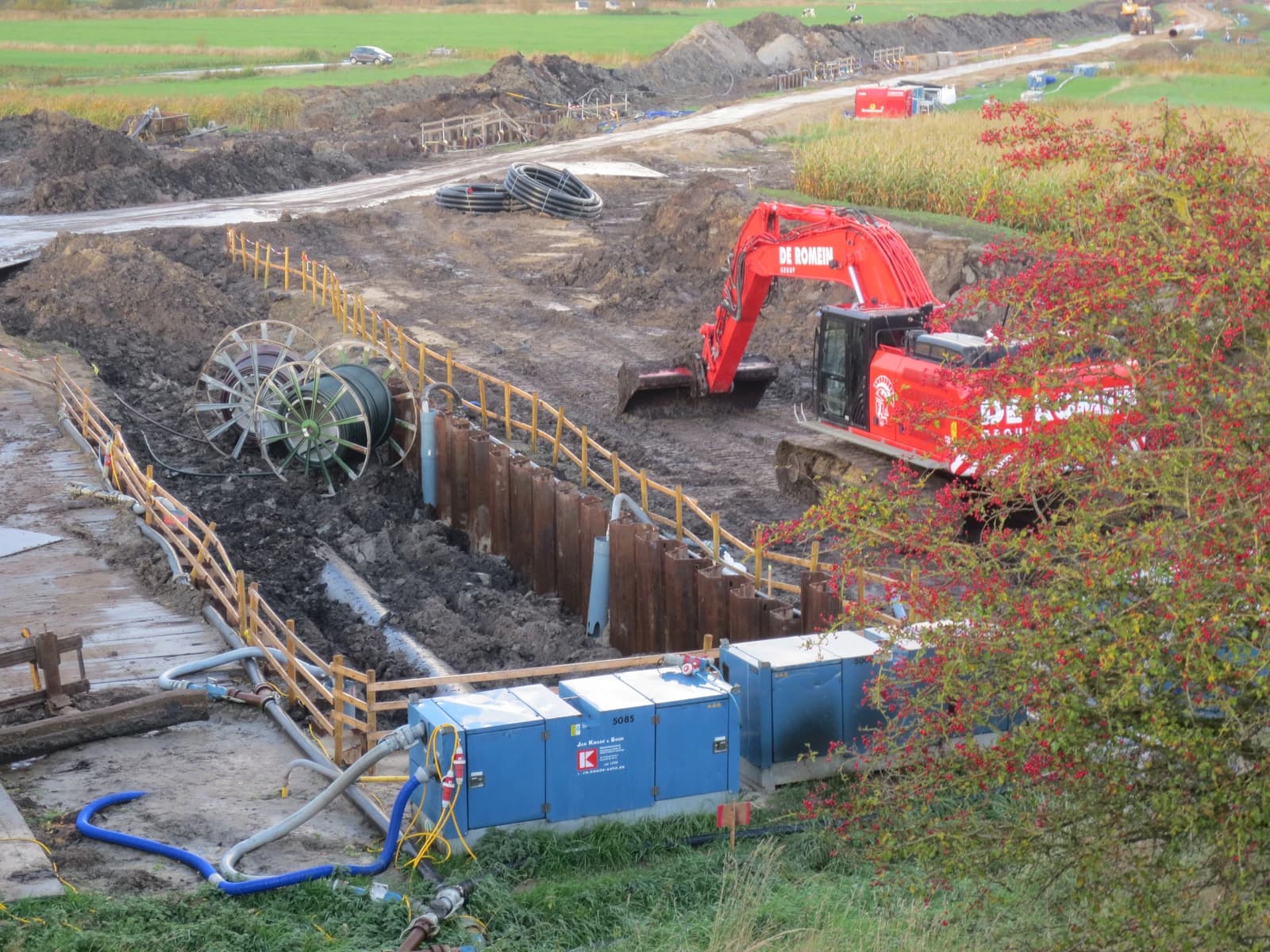
The scale of the infrastructure build is substantial. Turkey’s transmission and distribution network has reached 257,522 kilometers, a span the ministry said would circle the Earth about 6.5 times. Daily gas entry capacity has risen to 495 million cubic meters, and underground storage capacity now stands at 6.3 billion cubic meters, both critical cushions for peak winter demand and import volatility.
For the economy, the story is not just about pipes and meters. It is about how Turkey manages a fuel mix that still leaves it exposed to global LNG and pipeline prices while aiming to improve resilience at home. The larger the storage base and entry capacity, the better positioned the country is to smooth seasonal demand spikes and reduce the risk of shortages or price shocks that can feed directly into inflation.
The household data underline why the government is leaning on gas as an energy-policy pillar. According to TÜİK’s 2025 figures, natural gas accounted for 52.1% of household energy consumption, while 62% of home energy use went to heating. In heating specifically, gas held a 62.3% share, compared with 20% for solid biomass and 16.1% for coal. That gives Ankara a route to cleaner, more efficient urban heating, but also ties winter household economics more tightly to gas supply and pricing.
Investors will read the expansion through two lenses. For utilities, infrastructure operators and gas distributors, penetration gains support volume growth and higher asset utilization over time. For gas importers, storage operators and pipeline-linked companies, bigger connected demand can improve throughput and justify capital spending. The flip side is that greater gas dependence deepens sensitivity to commodity markets, FX moves and policy choices around tariffs and subsidies.
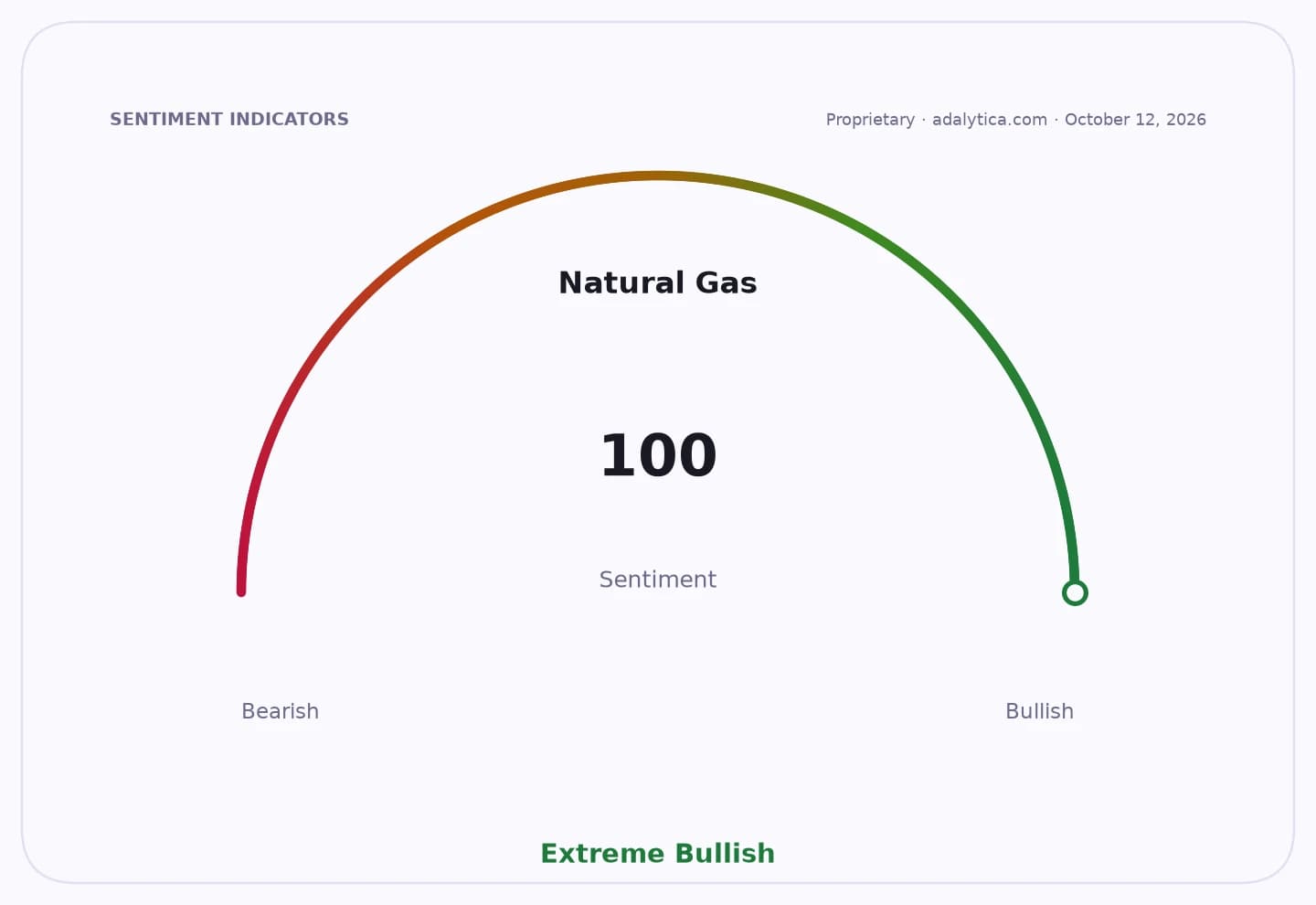
Market signals around gas remain volatile. U.S. natural gas prices have been elevated and technically stretched in recent sessions, while Adalytica’s market trade signals show “Extreme Greed” in natural gas and heightened geopolitical risk appetite, underscoring how quickly sentiment can swing when supply, weather and storage headlines tighten.
Turkey’s next test is whether network expansion translates into durable affordability and security rather than just wider access. If the government can keep adding settlements while bolstering storage and import capacity, gas will remain a strategic utility. If not, the cost of that dependence will remain a central vulnerability for households, policymakers and energy investors alike.
| Entity | Gains | Losses |
|---|---|---|
| Turkish households | ▲Wider gas access | ▼Exposure to fuel price swings |
| Gas network operators | ▲Higher throughput | ▼Capital spending burden |
| Turkish government | ▲Energy-security optics | ▼Subsidy and import risk |
| Coal and solid-fuel users | ▲Cleaner heating options | ▼Demand share losses |