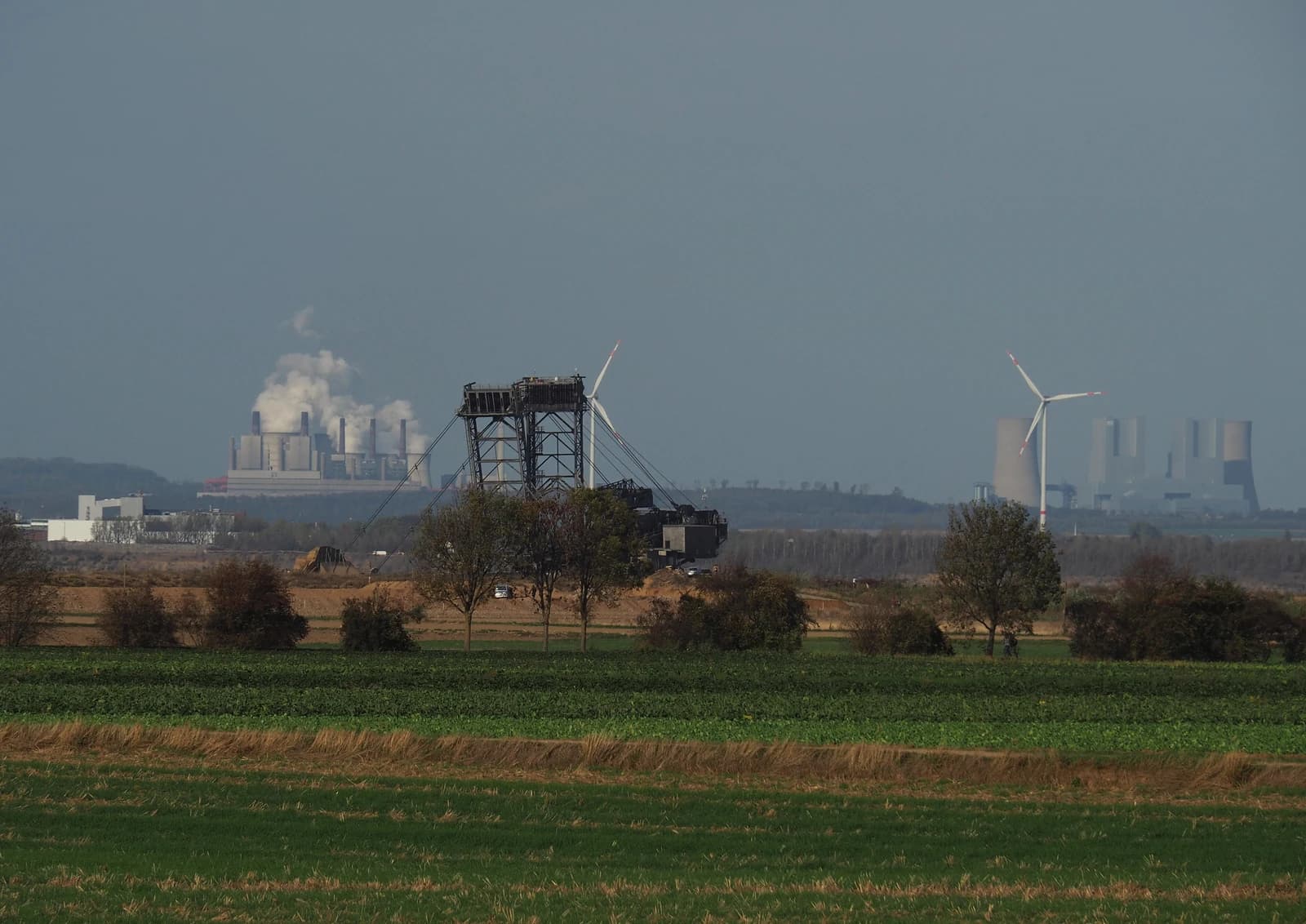
Kazakhstan’s coal demand has dropped by about 1 million tons this year, a sign that the country’s slow pivot away from household solid fuel is beginning to reshape winter energy demand.
Kazakhstan coal demand falls as gasification expands
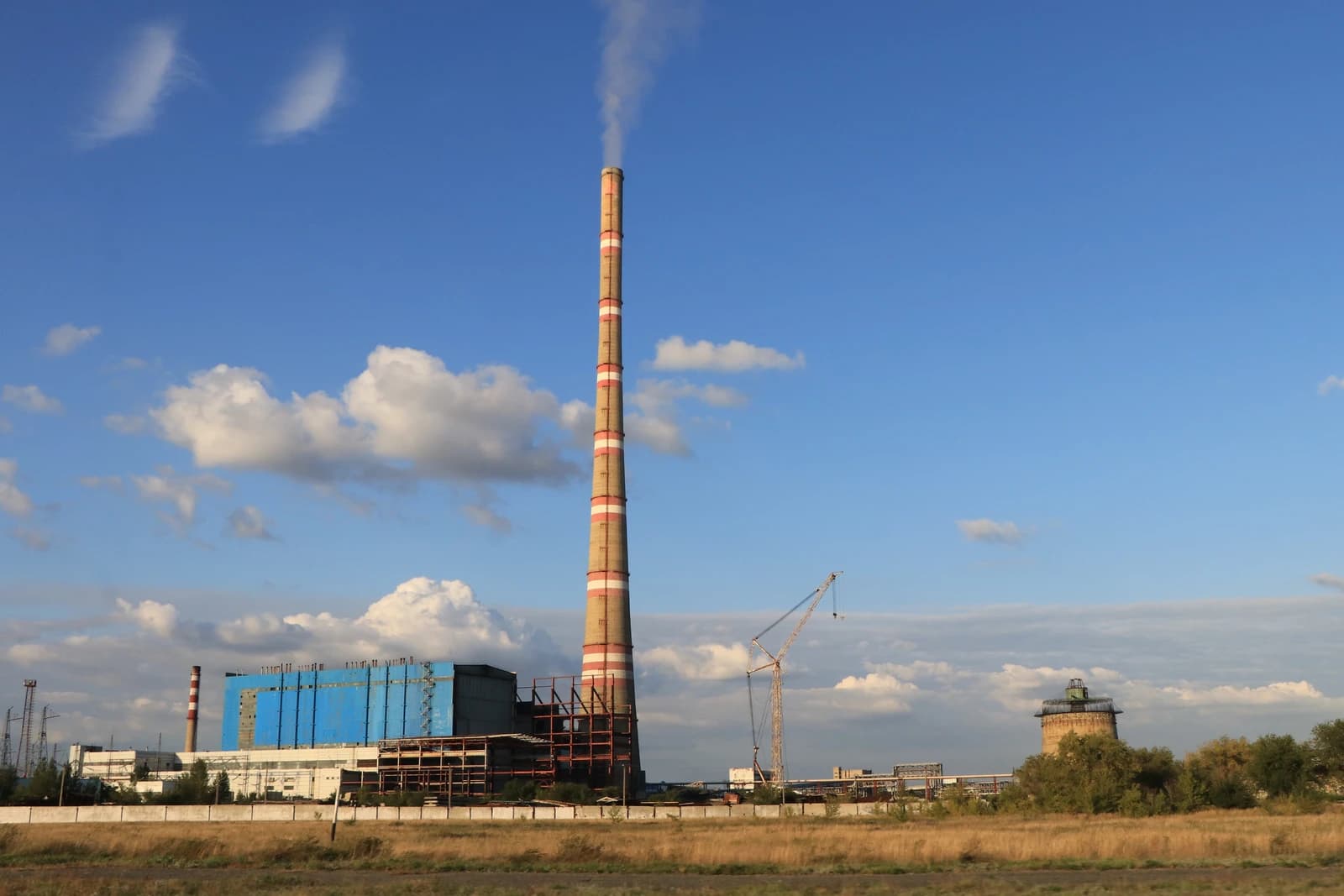
The decline matters because coal remains a key fuel for heat in a country where winters are severe and residential consumption has long supported local supply chains. A smaller market for household coal can ease seasonal shortages, reduce pressure on rail logistics and storage yards, and support the government’s broader effort to shift homes and public buildings onto gas.
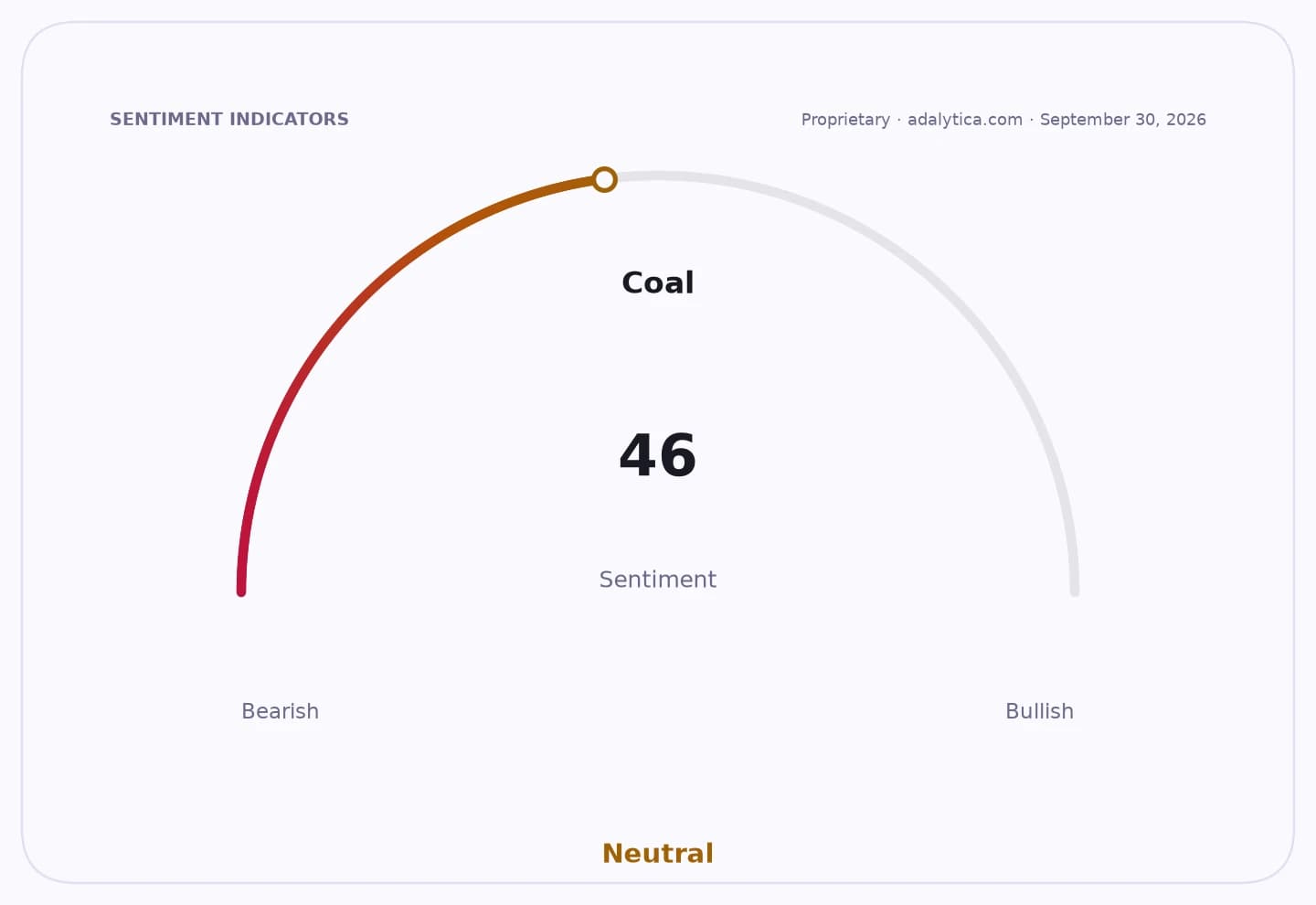
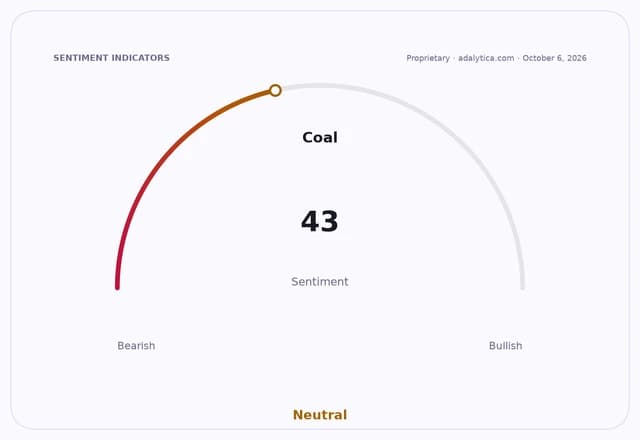
Sentiment IndicatorsⓘProprietary · adalytica.com · October 6, 2026
This is a snapshot — live sentiment, awareness and momentum for 130+ markets update continuously in the dashboard.Open AlphaPulse
According to the Energy Ministry, demand fell to roughly 7.3 million tons from 8.3 million tons a year earlier. Officials said gasification of houses and other facilities was one of the main reasons. In the capital, where residents once lined up for coal at rail sidings, authorities now say inventories are sufficient. Fourteen coal sales points and 10 warehouses are operating in the city ahead of the heating season.
The change is economically important beyond this winter. Lower coal consumption at the retail end points to a gradual reduction in some domestic fossil-fuel demand, while increasing gas use reinforces investment in pipelines, distribution networks and urban heating infrastructure. For the state, that can mean a cleaner and more efficient fuel mix, but it also shifts costs toward network buildout and subsidy management.
For coal sellers and logistics operators, the trend is less positive. Fewer tons burned by households can compress volumes during the peak heating period, when coal distribution traditionally generates the strongest cash flow. Producers may still find support from industrial demand, but the residential market is clearly losing importance.
Investors should read the story as a local demand shift rather than a sudden collapse in Kazakhstan’s coal economy. The country still needs more than 7 million tons of solid fuel for the coming heating season, so coal remains structurally relevant. But the direction is clear: gasification is steadily taking market share from coal, and that is likely to keep a lid on future household coal sales even if winter demand remains seasonally firm.
| Entity | Gains | Losses |
|---|---|---|
| Gas utilities | ▲Higher network demand | ▼Capital spending burden |
| Coal consumers | ▲Easier winter supply | ▼Less fuel choice |
| Coal sellers | ▲Steady seasonal volumes | ▼Shrinking household market |
| Kazakhstan government | ▲Cleaner energy mix | ▼More infrastructure costs |