Turkey’s trade ministry has fined a home-textiles retailer 1.08 million lira after finding that pillow covers advertised online as “100% cotton” were delivered with labels stating “100% polyester,” a consumer-protection case that underscores growing regulatory pressure on apparel and textile brands to match product marketing with physical labels.
Turkey fines retailer over cotton label mismatch
The penalty, 1,083,706 lira, and the order to halt the advertising campaign matter beyond a single mistaken product description because textile branding depends heavily on trust in materials, sourcing and compliance. For companies selling through e-commerce, the gap between online claims and sewn-in labels can quickly become a legal and reputational problem, especially in a market where consumers increasingly compare digital descriptions with the product in hand.
For investors, the case is a reminder that the economics of apparel and home-furnishings retail are not only about demand, margins and inventory but also about quality control and regulatory risk. A fine of this size is not material for a large listed group, but repeated enforcement can raise compliance costs, slow promotions and damage brand equity, particularly for firms that lean on premium positioning or broad digital distribution.
The ministry said its advertising board judged the website’s product presentation to be misleading and said the authorities would continue inspections to protect consumers from deceptive marketing. That language signals a more assertive enforcement stance, which can matter for retailers that depend on cross-border sourcing, third-party manufacturers and high-volume online sales where product descriptions are often managed centrally but fulfillment is outsourced.
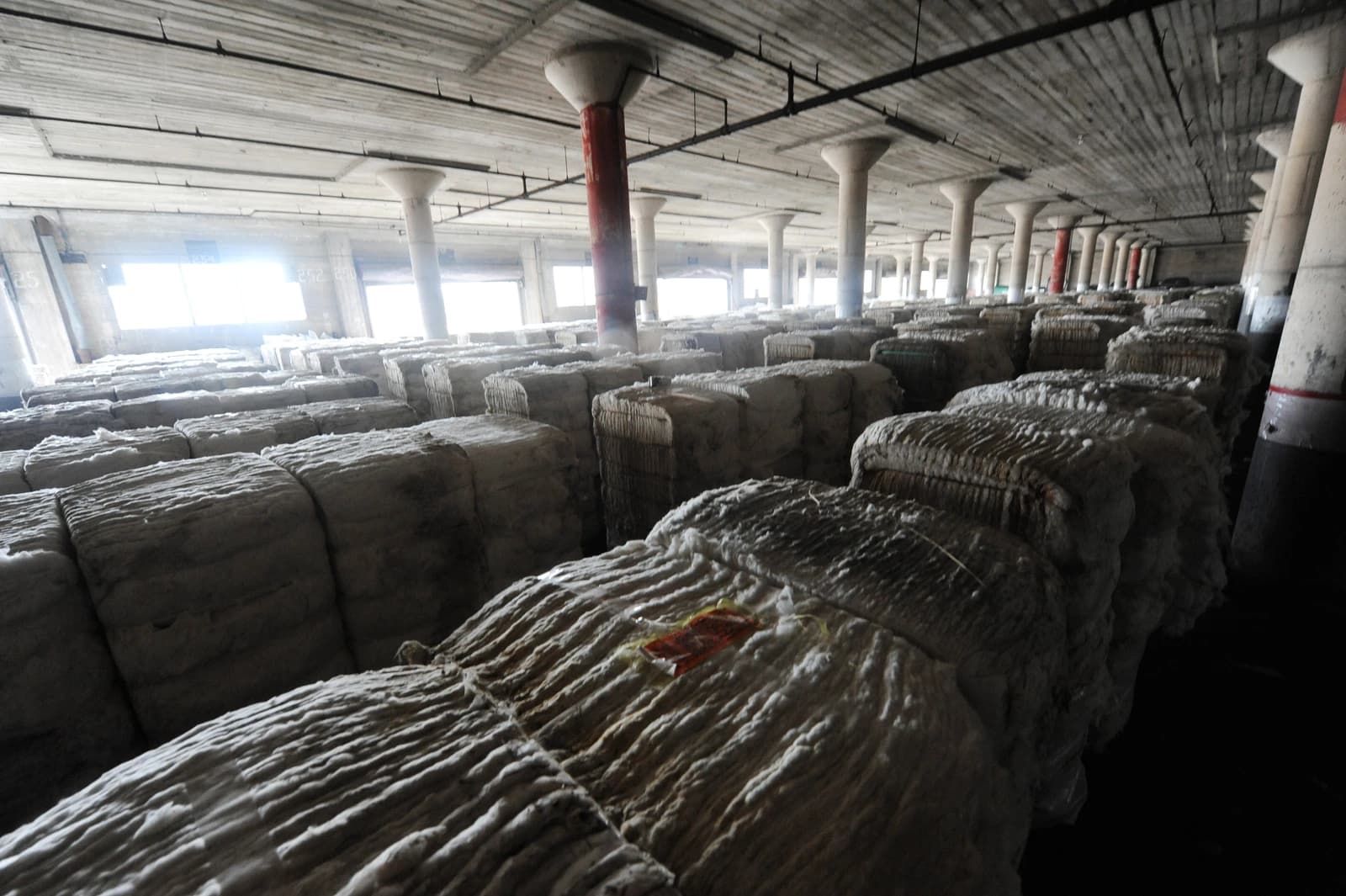
The broader backdrop is a textiles sector under strain from drought-related cotton disruptions in parts of Turkey and elsewhere, adding pressure to maintain supply integrity at a time when consumers are sensitive to fiber content and origin. While the case does not itself imply a wider supply shock, it does highlight how thin the line has become between merchandising, compliance and operational execution in a category already exposed to commodity volatility and climate risk.
For brands and shareholders, the key question is whether this becomes an isolated consumer complaint or part of a broader pattern of enforcement that forces retailers to tighten labeling, audit suppliers more aggressively and absorb higher compliance overhead. If similar cases multiply, the losers will be retailers with weak controls; the winners will be firms able to prove product authenticity and avoid the hidden costs of mislabeling.
| Entity | Gains | Losses |
|---|---|---|
| Consumers | ▲clearer product information | ▼misleading fiber claims |
| Regulators | ▲stronger enforcement credibility | ▼reputational pressure to keep policing |
| Retailers with strong controls | ▲trust advantage | ▼little direct benefit |
| Mislabeling brands | ▲none | ▼fines, ad bans, brand damage |