Turkey’s stock market is back under scrutiny after a sharp selloff that forced the country’s sovereign wealth fund to buy shares in an effort to steady the market, a sign that policymakers are once again trying to draw a line under volatility before it becomes something more damaging.
Turkey stock market selloff prompts sovereign fund buying
That matters because equity markets do more than set paper gains and losses. In an economy like Turkey’s, where confidence is fragile and funding conditions can tighten quickly, a disorderly drop in stocks can spill into consumer sentiment, corporate financing and the broader fight to keep domestic capital from fleeing to safer assets. When the state feels compelled to step in, investors are not just looking at a market dip; they are looking at a stability test.
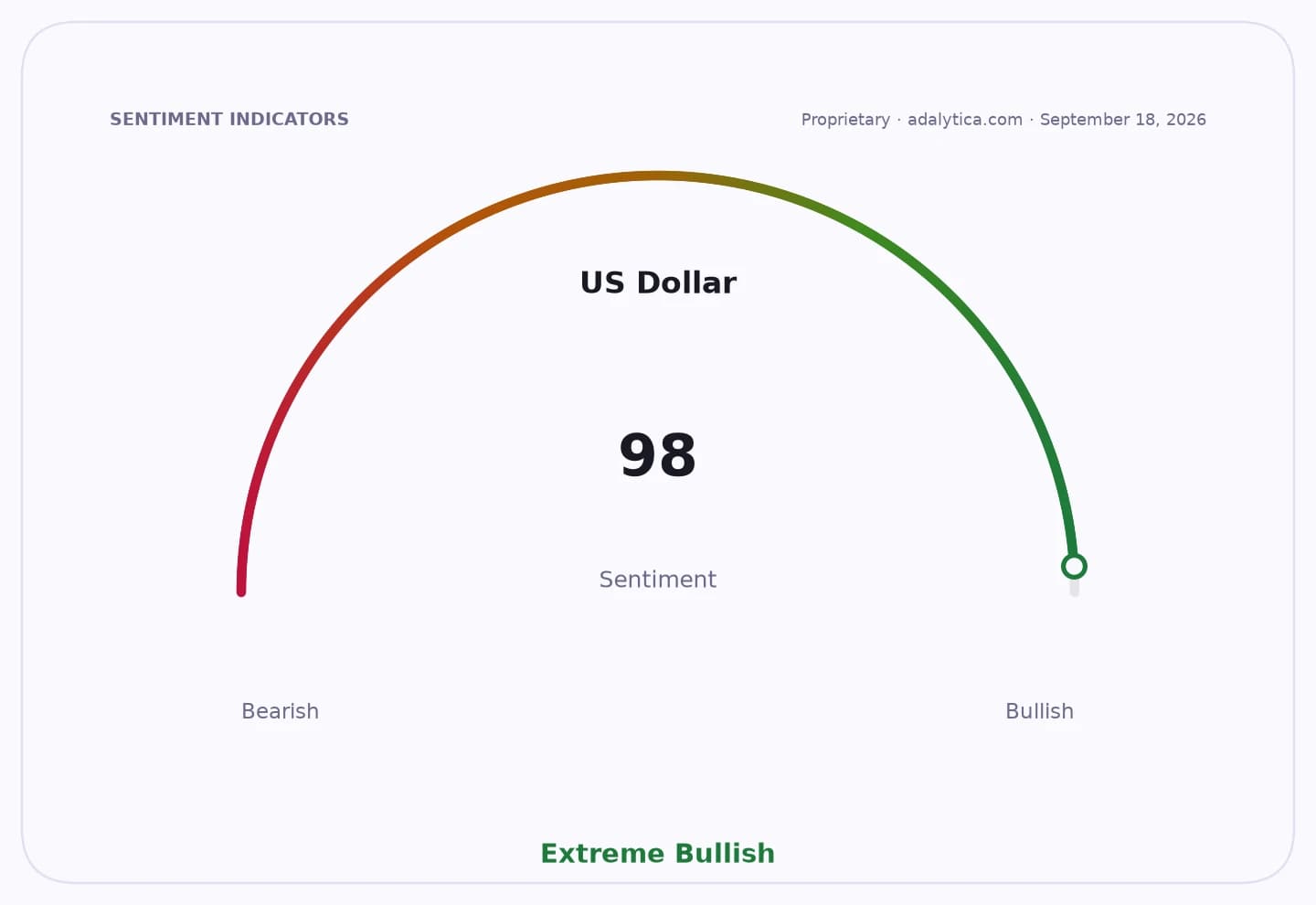
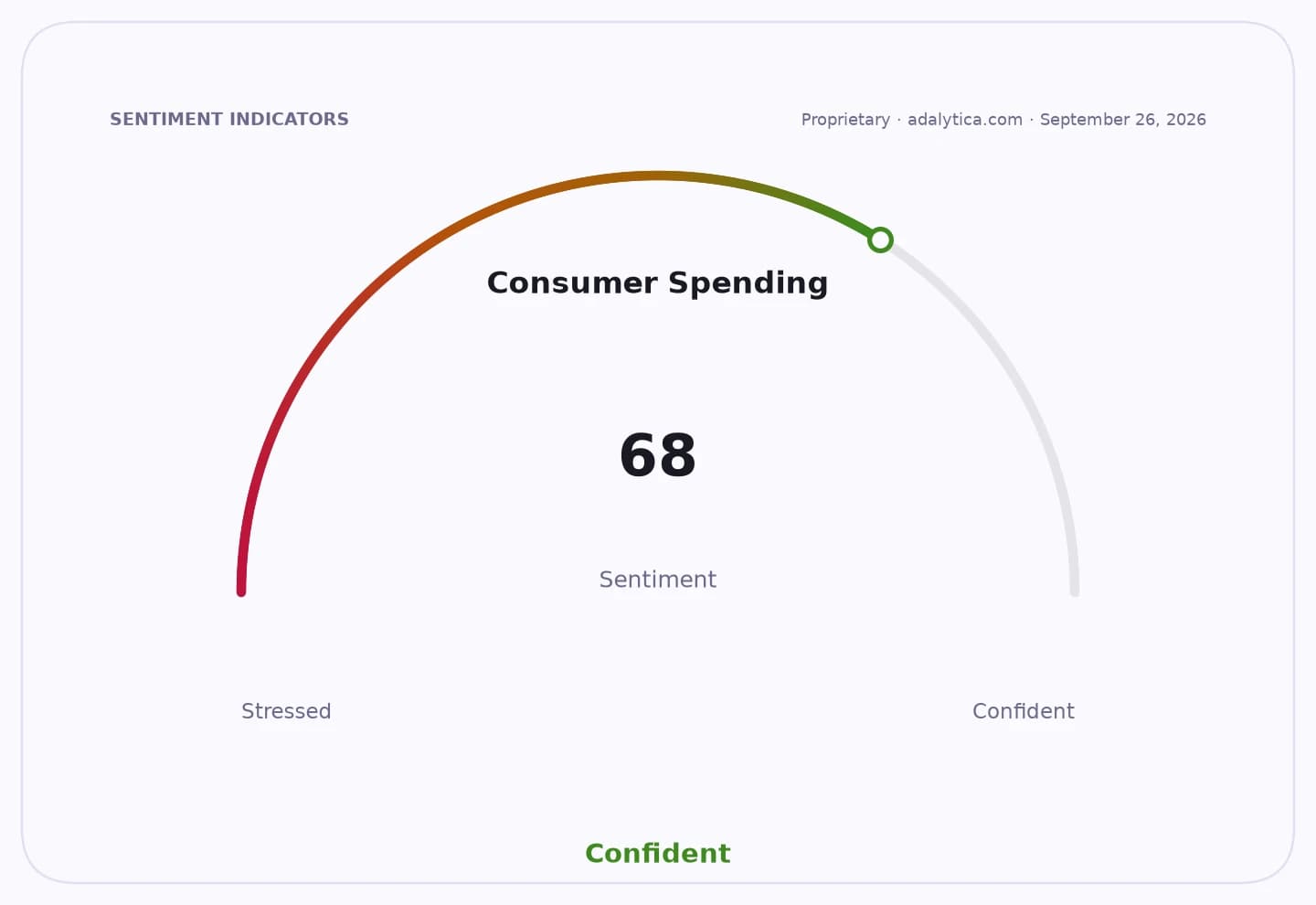
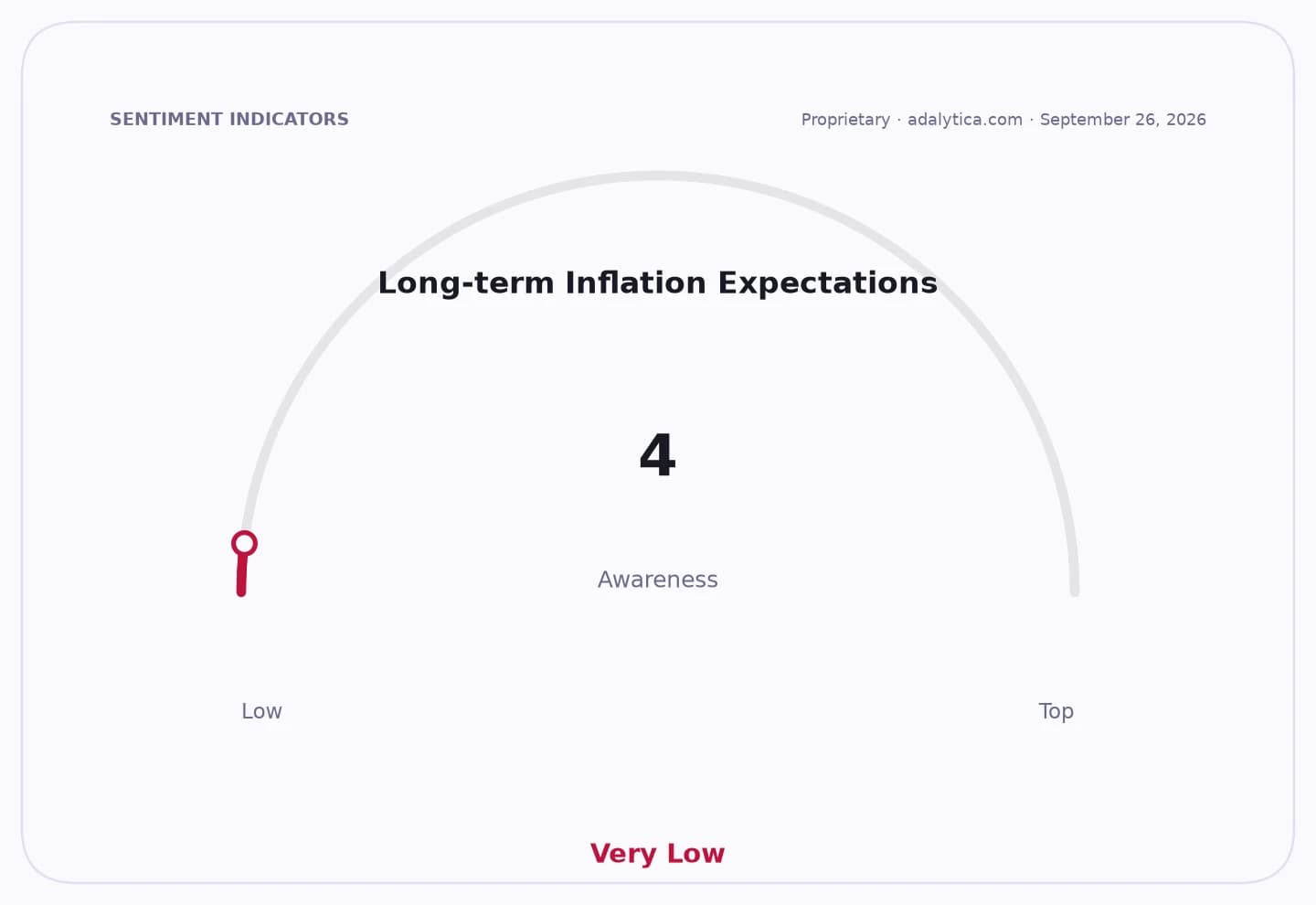
Sentiment IndicatorsⓘProprietary · adalytica.com · September 26, 2026
This is a snapshot — live sentiment, awareness and momentum for 130+ markets update continuously in the dashboard.Open AlphaPulse
The Turkey Wealth Fund’s intervention suggests authorities are worried about more than a routine correction. After last week’s fall, official support has become part of the market backdrop, which tells you the pain was significant enough to threaten sentiment well beyond a few momentum traders. For long-term investors, that usually means one thing: policy support can cushion the downside, but it also reminds the market that prices may be shaped as much by intervention as by fundamentals.
The technical picture backs up that caution. Turkey’s main exchange-traded fund, TUR, has slid to 36.38, below its 50-day moving average of 39.09 and only just beneath its 200-day average of 39.01. The relative strength index is 36.2, a level that points to a market that has been under pressure without yet fully washing out. The recent move is especially striking after earlier spikes that left the fund trading above 42 in April, showing how quickly optimism gave way to selling.
The pressure has not been confined to Turkey’s broader market. TURB, another Turkish equity vehicle, has also been volatile, dropping to 1.04 after extreme swings earlier in the year. That kind of action tells investors the issue is not merely isolated weakness in one index constituent but a broader repricing of Turkish risk.
For investors, the key question is whether this is a buying opportunity or a warning shot. The answer depends on time horizon. Traders may be tempted to chase rebounds when state support appears, but long-term investors should focus on whether earnings growth, policy credibility and currency stability can improve enough to justify owning Turkish equities through a volatile cycle. Without that, any bounce risks becoming just another sharp move inside a fragile market.
The bigger narrative is familiar to anyone who has followed emerging markets: when confidence cracks, the state often steps in before private capital fully returns. That can stabilize prices in the short run, but sustainable gains usually require something harder to engineer — trust. Until investors see that trust rebuilding, Turkish stocks are likely to remain a market to watch carefully, not blindly chase.
| Entity | Gains | Losses |
|---|---|---|
| Turkey Wealth Fund | ▲Short-term market stability | ▼Capital preservation |
| Turkish equity investors | ▲Policy backstop | ▼Higher volatility |
| Turkey stock market | ▲Orderly trading | ▼Confidence and foreign inflows |
| Long-term buyers | ▲Lower entry prices | ▼Faster, cleaner trend recovery |