Turkey has widened its stock-market crisis investigation to 632 suspects, a sign authorities are treating the September selloff on the Istanbul exchange as a deliberate market-rigging case rather than a routine liquidity shock.
Turkey widens stock-market probe to 632 suspects

The scale of the probe matters because it moves beyond a handful of traders and fund managers and into a broader crackdown on capital-markets misconduct, with 91 companies now under external administrators and assets and bank accounts frozen at 181 firms and 551 individuals. For investors, that raises the risk of more forced unwinds, tighter oversight of funds and brokerage activity, and continued pressure on confidence in Turkish markets.
Sentiment Indicators
Justice Minister Akın Gürlek said the investigation had identified 632 suspects, building on earlier disclosures from President Recep Tayyip Erdogan that 136 people had been arrested and 285 others placed under judicial controls. Istanbul prosecutors say the panic was artificially triggered amid liquidity stress in some investment funds and asset managers.
The fallout has already spread through the financial system. Authorities have suspended 131 investment funds, detained senior officials linked to the banking regulator and the head of the Istanbul Stock Exchange, and arrested former family and social policy minister Fatma Betül Sayan Kaya on capital-markets charges.
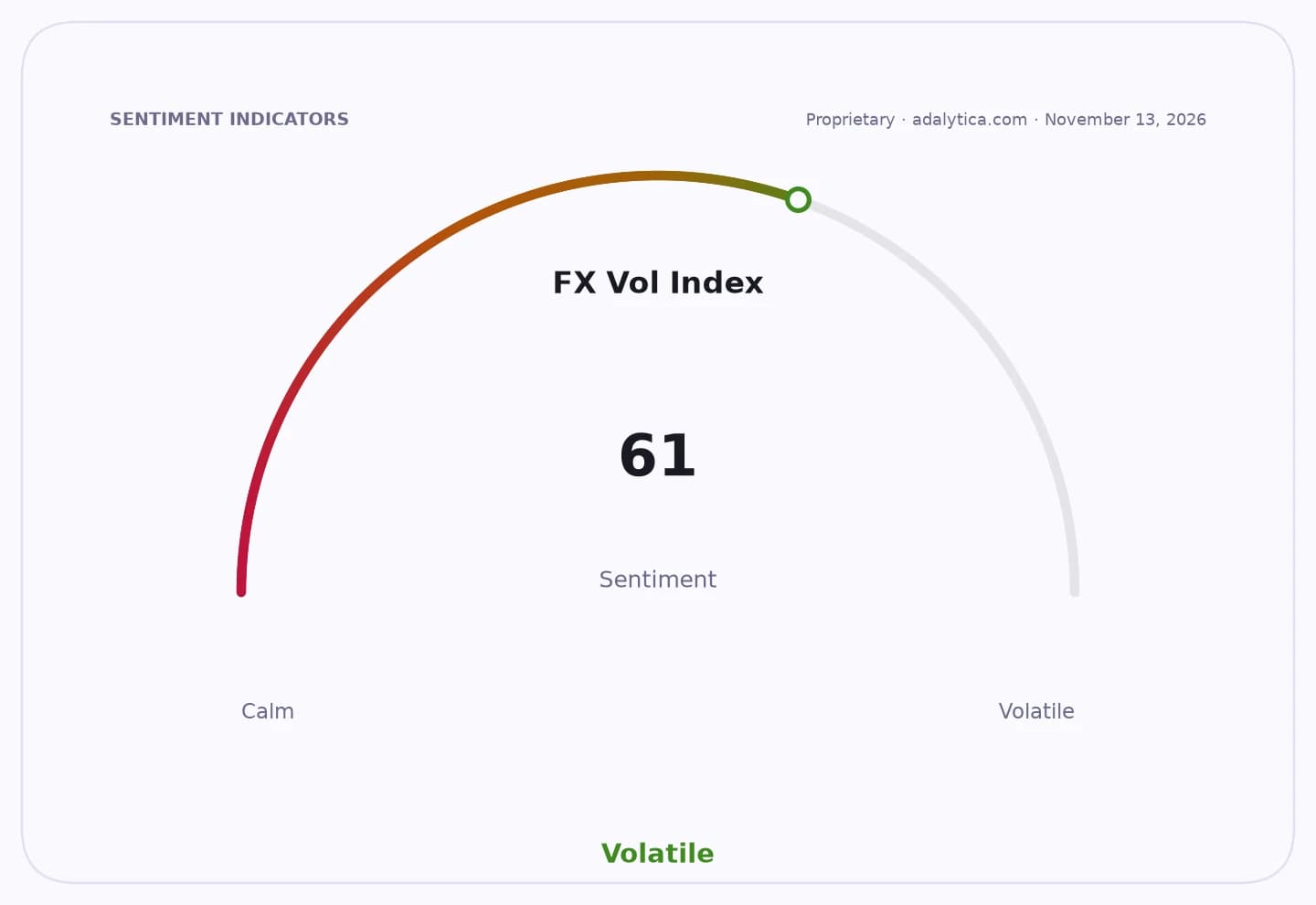
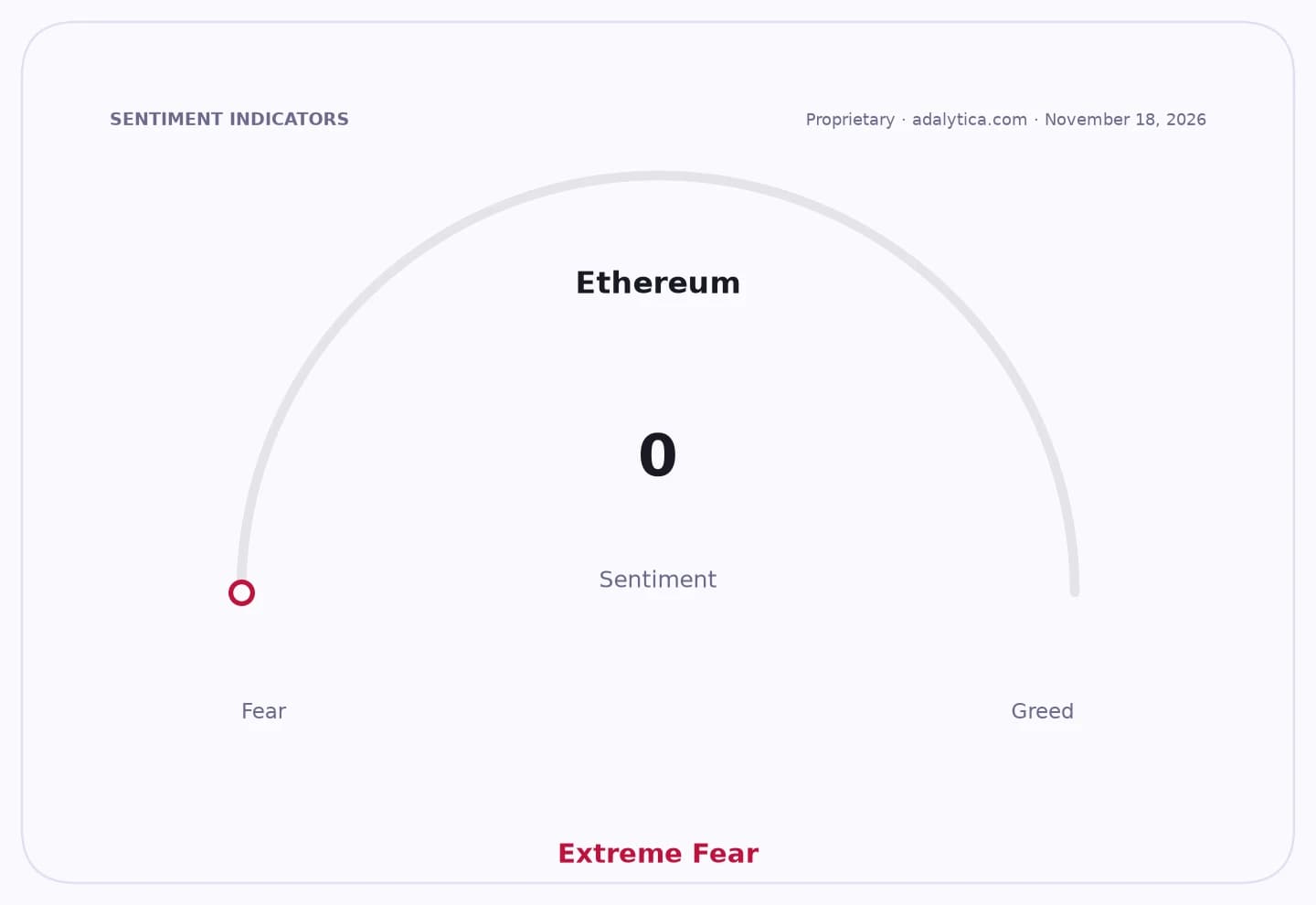
The market damage is visible in trading data. The TUR exchange-traded fund has fallen to $29.57 from above $41 in February, while Turkey’s market volatility remains elevated by broader standards. Adalytica’s FX Volatility Trading Signals currently show fear, and its U.S. dollar trade signals point to extreme fear, underscoring the risk that the probe deepens stress in local assets and foreign-exchange hedging.
For investors, the key question is whether the crackdown restores trust or keeps liquidity on the defensive. Any further arrests, fund suspensions or asset freezes could prolong pressure on Turkish equities and financials, while signs of stability in the probe would be needed before capital starts to return.
| Entity | Gains | Losses |
|---|---|---|
| Turkish authorities | ▲Control over markets | ▼Criticism over clampdown |
| Retail and institutional investors | ▲Possible cleaner market | ▼Higher uncertainty and liquidity risk |
| Suspected traders, funds and firms | ▲— | ▼Arrests, freezes, external managers |
| Turkish equities and financials | ▲Longer-term trust if probe works | ▼Near-term selling pressure |