Turkey and the United States are signaling a possible reset in relations after President Recep Tayyip Erdogan told Donald Trump the two sides will work to give ties “new momentum” in the near term, with Iran and Ukraine emerging as the main geopolitical drivers behind the outreach.
Turkey, US Discuss Reset in Relations
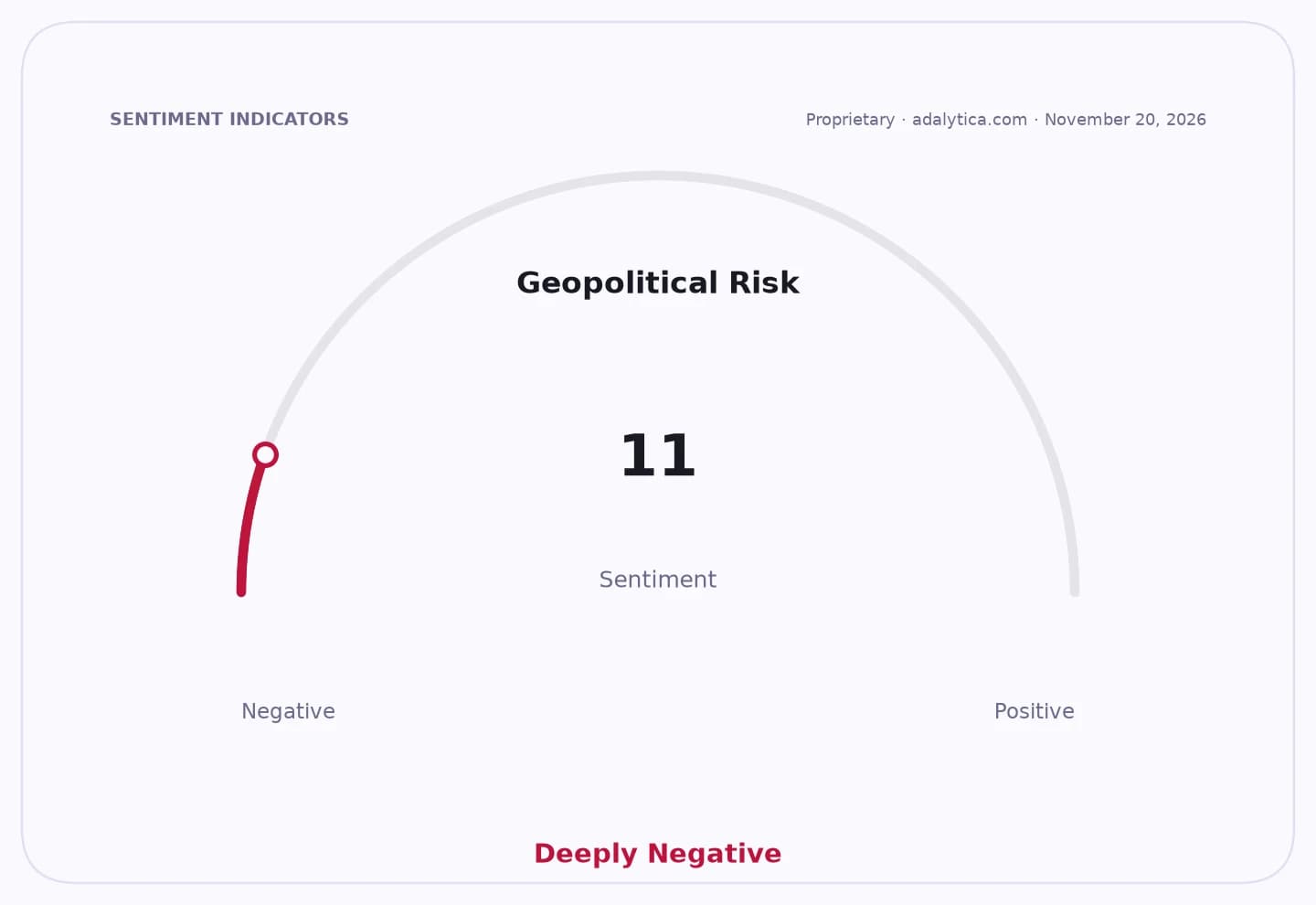
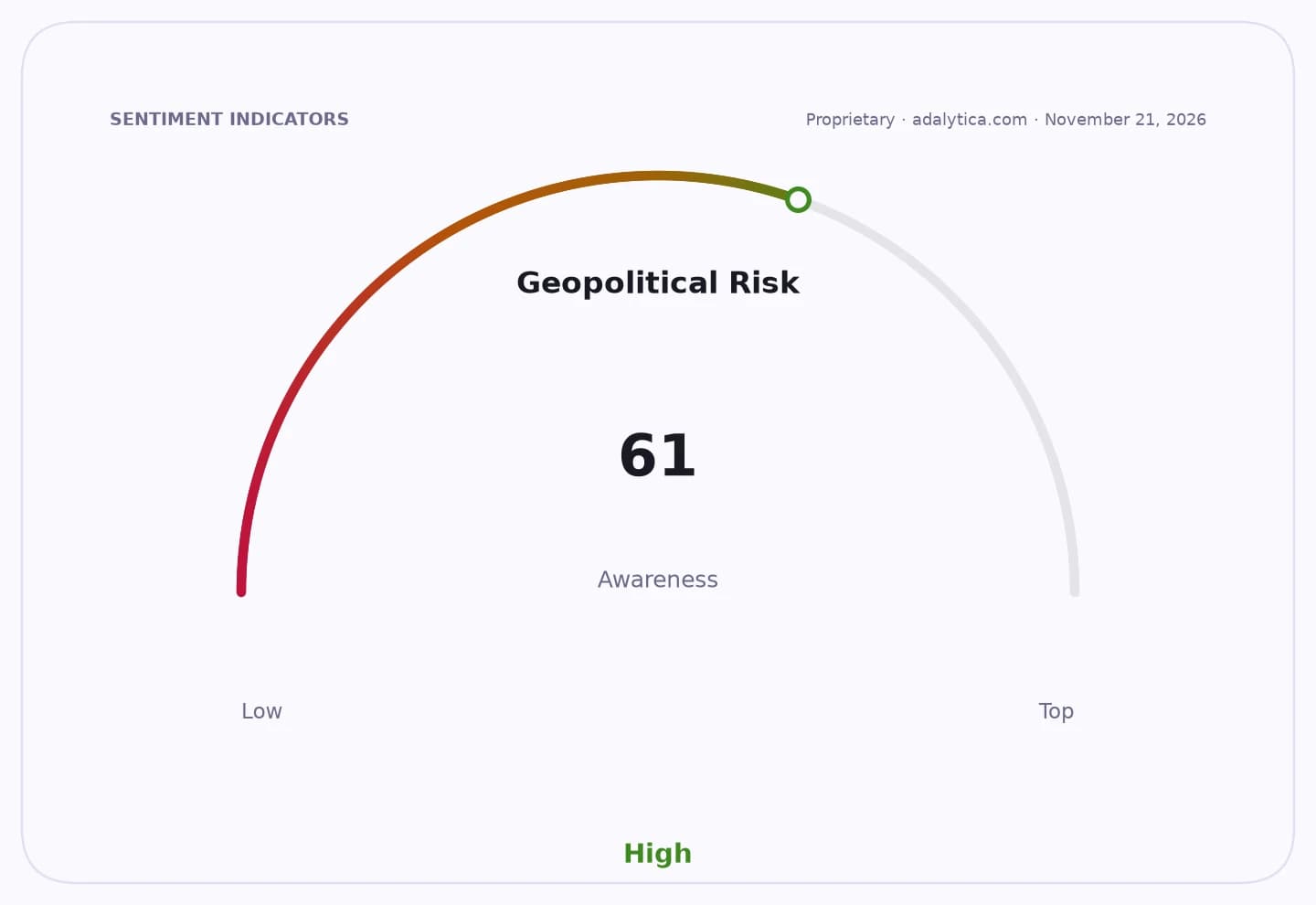
Geopolitical Risk
The call matters because Ankara is positioning itself as a broker in two of the most destabilizing flashpoints for global markets: the confrontation between Washington and Tehran and the war in Ukraine. Any easing of friction between Turkey and the US could improve coordination inside NATO, reduce policy uncertainty around sanctions and defense cooperation, and create room for closer military and diplomatic alignment at a time when both countries are under pressure to manage wider regional instability.
Sentiment Indicators
According to the Turkish presidency, Erdogan and Trump discussed bilateral relations alongside regional and global developments. Erdogan said cooperation between the two countries would keep expanding and that they would work to inject “new dynamics” into the relationship in the coming period. He also urged a diplomatic end to tensions between Iran and the US and said Ankara would continue efforts for peace.
The Ukraine war was another central theme. Erdogan said rising diplomatic efforts should produce positive results and stressed the importance of intensifying contacts with both Kyiv and Moscow. That places Turkey once again in its familiar role as a go-between — one that gives it leverage with Western allies and Russia alike, but also limits how far it can move without upsetting one side or the other.
For investors, the significance lies less in the rhetoric than in the policy optionality it opens. A warmer Ankara-Washington channel could reduce risk around Turkish defense procurement, sanctions exposure and access to Western military technology. It could also support sentiment across defense names tied to NATO modernization and missile defense demand, including Lockheed Martin, RTX and Northrop Grumman, all of which have benefited from a heightened global security environment and demand linked to Ukraine, Iran and broader regional tension.
The market backdrop underscores why this matters now. Treasury yields remain elevated, with the US 10-year around 5.12% and the 2-year near 4.93% in recent data, keeping pressure on risk assets even as defense stocks have outperformed on geopolitical demand. Lockheed Martin and RTX are trading well above their 50-day moving averages, while Northrop has recovered sharply from earlier weakness, reflecting persistent investor appetite for companies exposed to missile defense, munitions and replenishment spending. If Turkey’s diplomacy translates into more predictable US-Turkey relations, it could support procurement visibility for allied defense contractors and reduce one source of geopolitical noise.
The bull case is that Erdogan and Trump are laying the groundwork for a more pragmatic transactional relationship, one that could unlock cooperation on defense, regional mediation and NATO priorities. The bear case is that the outreach remains largely tactical, with deep structural disputes still unresolved and any thaw vulnerable to shifts in the Middle East or the war in Ukraine. For now, the call is best read as a signal that Ankara sees an opening — and that both sides may prefer engagement over confrontation while regional risks remain elevated.
| Entity | Gains | Losses |
|---|---|---|
| Turkey | ▲More room for diplomacy | ▼Less leverage if talks stall |
| US administration | ▲Better regional coordination | ▼Pressure to manage concessions |
| Defense contractors | ▲Stronger NATO demand visibility | ▼Policy uncertainty if ties sour |
| Iran hardliners | ▲None | ▼More diplomatic pressure |