Typhoon Ragasa’s landfall in southern China is now an economic shock as much as a humanitarian one, forcing nearly two million evacuations and paralyzing one of the world’s most important industrial and export corridors.
Typhoon Ragasa disrupts Guangdong, Hong Kong supply chain
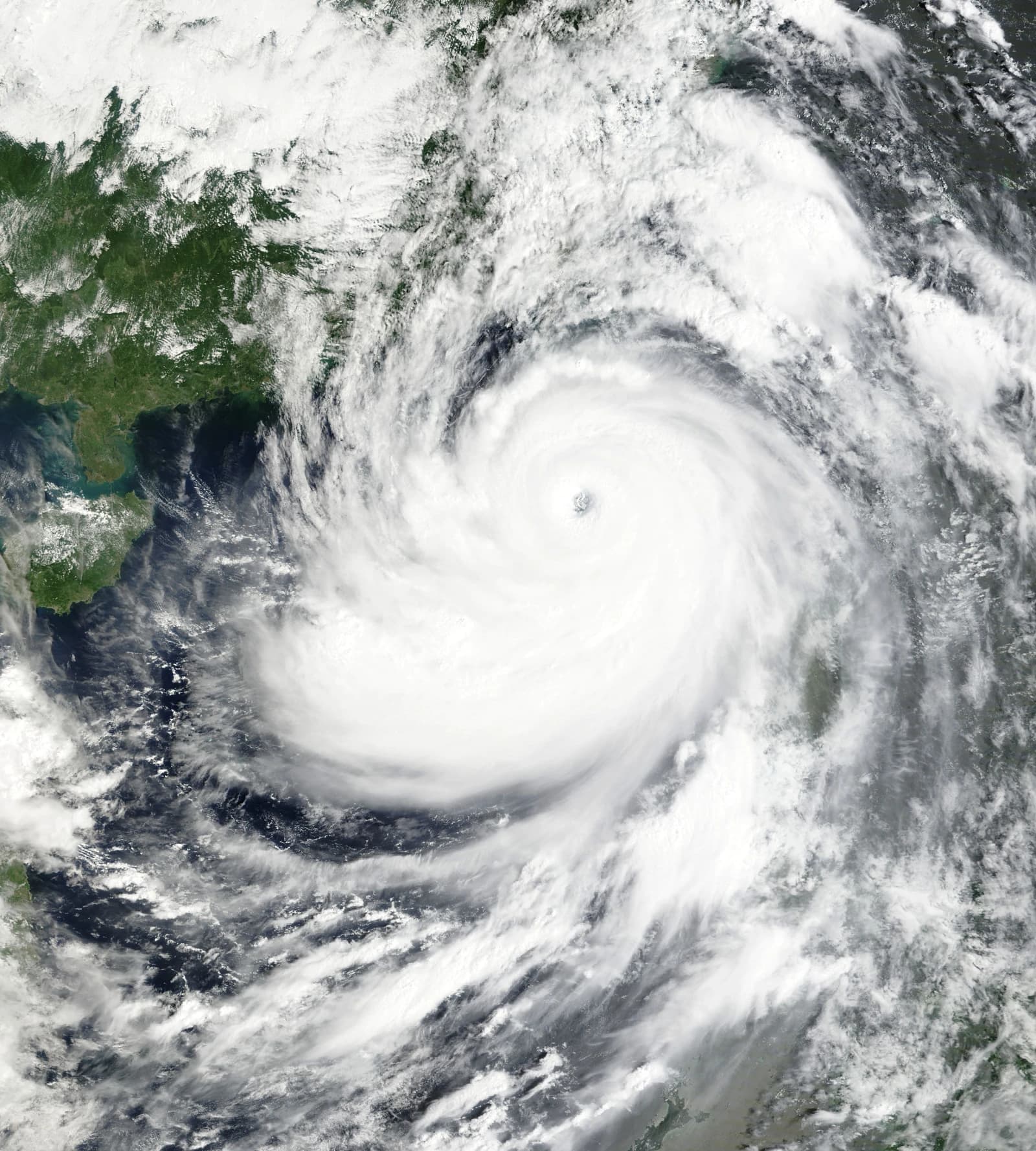
That matters because the storm is hitting Guangdong, Hong Kong and the Pearl River Delta — the manufacturing and logistics engine room for China and a key node in global supply chains. Shenzhen and Guangzhou sit at the center of that network, and even short disruptions can ripple through ports, factories, warehouses and transport links across Asia. Hong Kong’s shutdown underscores how exposed financial and trading hubs remain when extreme weather collides with densely packed infrastructure.
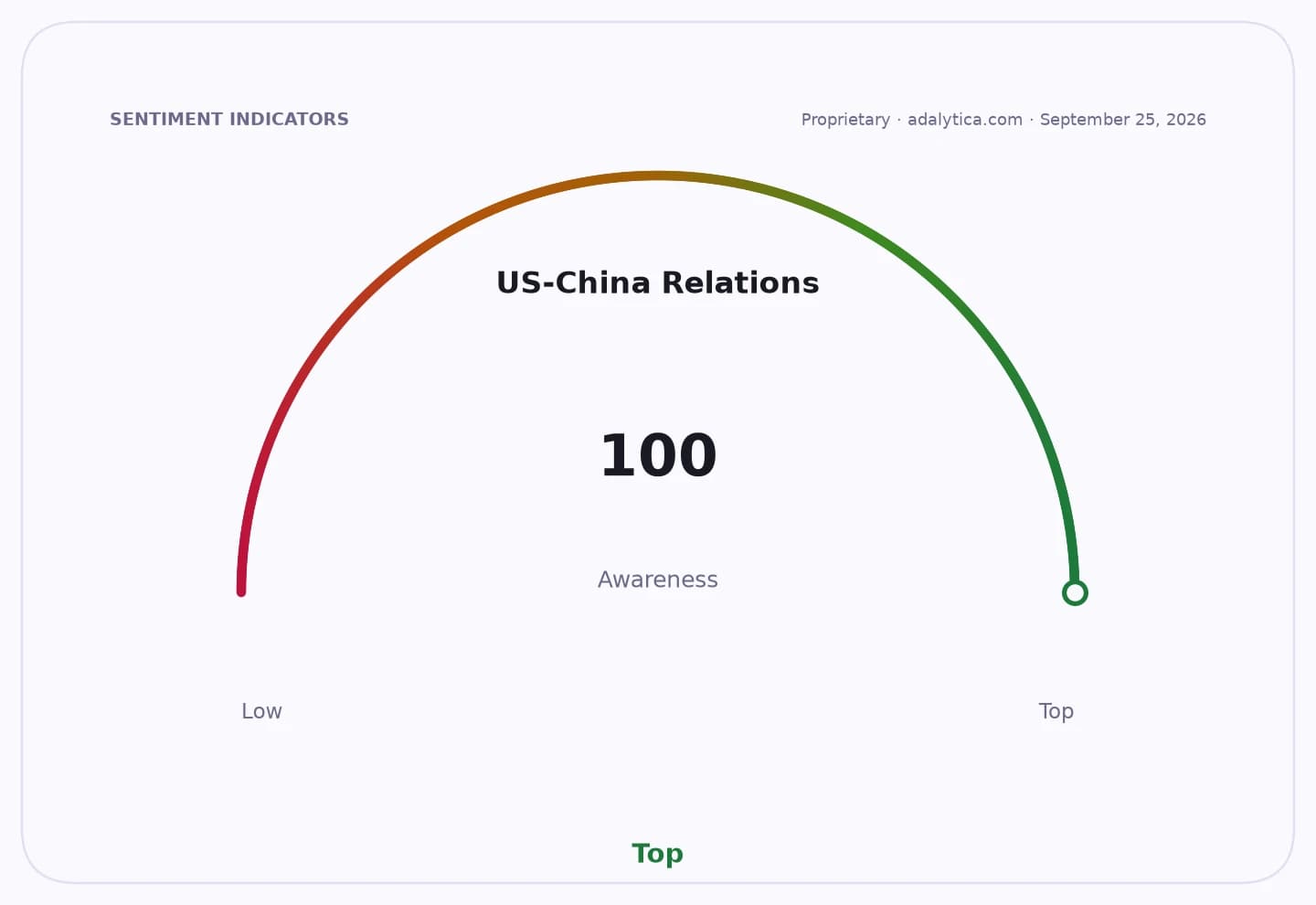
Sentiment IndicatorsⓘProprietary · adalytica.com · September 6, 2026
This is a snapshot — live sentiment, awareness and momentum for 130+ markets update continuously in the dashboard.Open AlphaPulse
The human cost is severe. In Taiwan, at least 17 people were killed and 17 remained missing after a natural dam collapsed in Hualien, releasing 68 million tons of water and flooding Guangfu. The storm had earlier battered the Philippines and swept across Taiwan’s mountainous east before reaching China as a Category 3 hurricane, according to local authorities. In Guangdong, officials ordered mass evacuations as the typhoon moved into one of the most populated coastlines on earth.
For investors, the immediate lens is not just tragedy but disruption. Typhoon-related closures can hit shipping, airlines, insurers, utilities and retailers, while also testing the resilience premium embedded in infrastructure and industrial supply chains. China-focused equities, including the FXI ETF, have been trading below their longer-term trend lines at times this year, but a storm like this is not a structural catalyst on its own; it is a reminder that climate volatility increasingly feeds into pricing for logistics capacity, catastrophe insurance and hard assets tied to recovery and rebuilding. Taiwan’s EWT and China’s MCHI are the more direct equity proxies for how quickly weather shocks can interrupt regional activity.
The deeper narrative is that extreme weather is becoming an investable macro variable. As coastal megacities concentrate more people, factories and capital, each severe typhoon raises the value of resilience spending: flood control, grid hardening, emergency communications, construction, engineering and insurance-linked assets. The market often treats these events as transitory. That is a mistake. The winners are the companies and sectors that help economies absorb the shock; the losers are the ones whose margins depend on uninterrupted movement of goods, people and power.
For now, the question is how fast Guangdong, Hong Kong and Taiwan can restore operations and whether the storm leaves lasting damage to infrastructure, housing and local supply chains. If the cleanup phase turns into a broader rebuilding cycle, the second-order beneficiaries could be far more durable than the storm itself. In a world where climate risk is increasingly a capital-allocation story, resilience is no longer defensive — it is a growth trade.
| Entity | Gains | Losses |
|---|---|---|
| Resilience builders | ▲Higher demand for repairs and hardening | ▼None |
| Insurers | ▲More need for coverage pricing discipline | ▼Higher claims risk |
| Port and logistics operators | ▲Faster post-storm repair spending | ▼Near-term shutdown losses |
| Guangdong, Hong Kong, Taiwan households | ▲Disaster aid and reconstruction support | ▼Property damage and displacement |