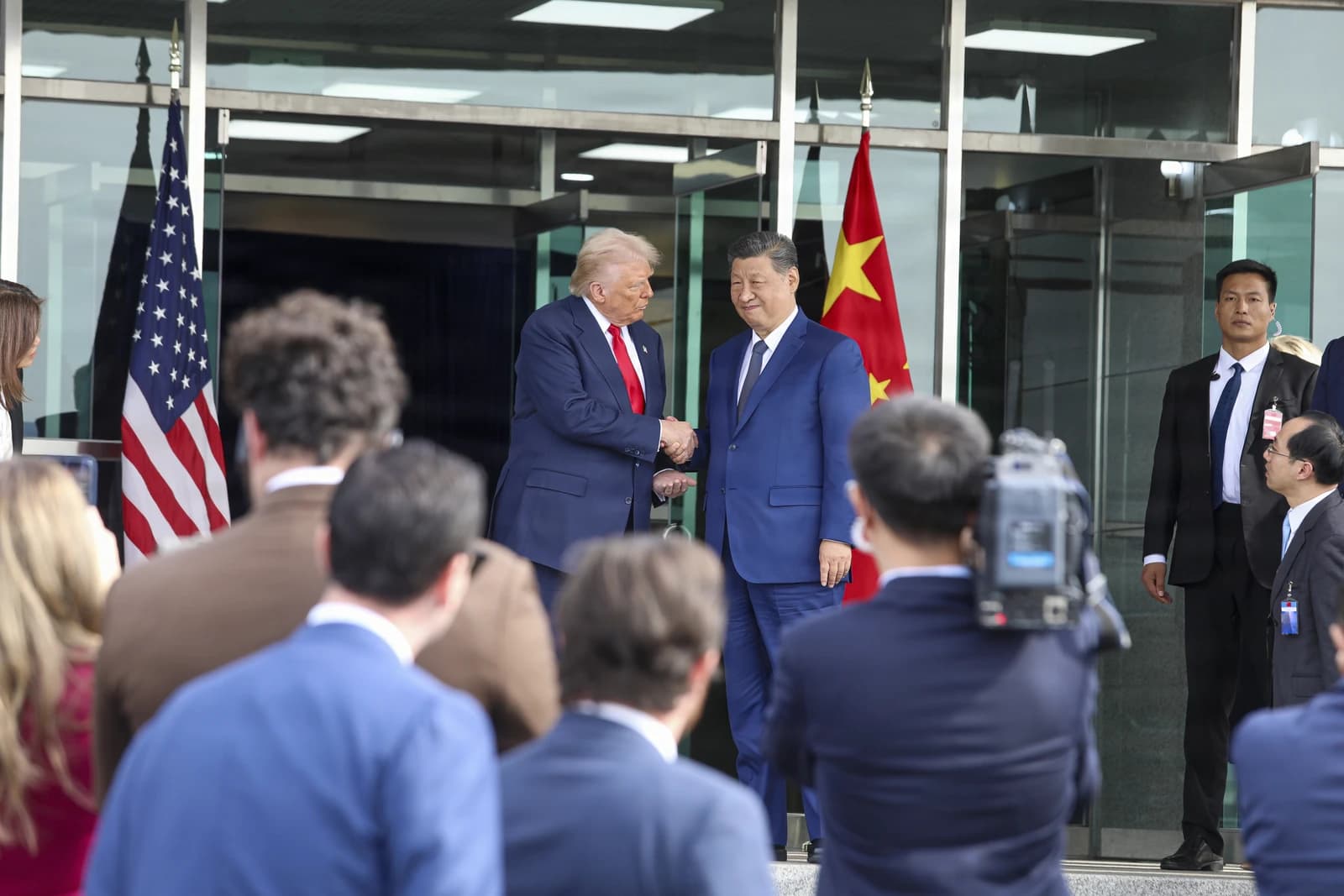
The U.S. and China are drifting back toward a full-blown trade confrontation as Washington tightens AI chip controls and Beijing readies retaliation, raising the odds that the fragile tariff truce collapses before January.
U.S.-China chip controls pressure Nvidia and semis
That matters because this is no longer just a dispute over one Nvidia incident or a single shipment. The Biden-era “AI diffusion rule” has been scrapped, Congress is pushing to lock chip export restrictions into the 2027 defense bill, and the Commerce Department is moving to limit Chinese remote access to computing resources built on advanced U.S. chips wherever they sit. The message to Beijing is clear: Washington wants permanent leverage over the flow of the semiconductors that power artificial intelligence.
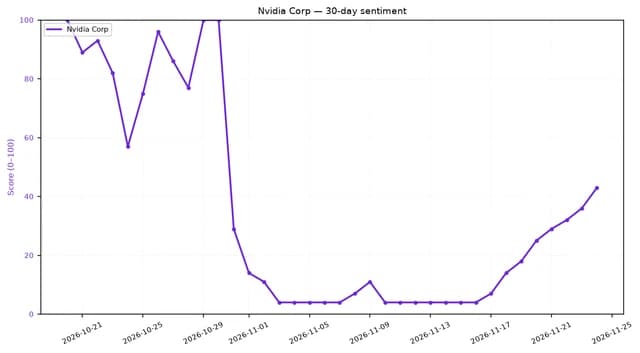
Sentiment Indicators

For investors, that shifts the market from a temporary policy scare to a structural decoupling trade. Nvidia, the most exposed name in the complex, has already seen its shares swing violently, while semiconductor funds such as SMH and SOXX are under pressure as traders price a slower path for China-linked demand and a higher probability of additional sanctions. Nvidia’s stock has fallen from above $200 in late October to $153.39 on Tuesday, while SMH closed at $428.22 after a sharp pullback from its summer highs and SOXX ended at $129.41, underscoring how quickly geopolitics can re-rate the AI boom.
The real economic risk is escalation outside chips. Chinese officials are widely expected to answer with tighter rare earths and critical mineral controls, a reminder that Beijing still holds a powerful industrial chokepoint even after last year’s partial easing. A new round of restrictions would hit U.S. manufacturers, raise input costs and deepen the squeeze on supply chains already under strain from tariffs, export controls and AI capital spending.
This is why the next meeting between Donald Trump and Xi Jinping at the G20 in Miami could be decisive. The current ceasefire was supposed to buy time for a broader settlement, but the Nvidia allegations have revived the political case in Washington for tougher controls just as Beijing is signaling it will not absorb the pressure quietly. If the two sides fail to extend the truce, the market should expect a return to tit-for-tat measures, with semiconductors, rare earths, biotechnology and solar technology all in the firing line.
The smarter trade is not to chase the headline panic, but to position for a prolonged U.S.-China technology split. Beneficiaries include domestic chip toolmakers, U.S.-based manufacturing buildout plays, defense and AI infrastructure suppliers tied to non-China demand. The losers are obvious: Nvidia’s China channel, semiconductor exporters with heavy Asia exposure, and any industrial tied to imported rare earth inputs. This is the kind of geopolitical inflection point the market usually underprices until the next retaliatory move lands.
| Entity | Gains | Losses |
|---|---|---|
| U.S. chip toolmakers | ▲More onshore demand | ▼China sales exposure |
| Nvidia | ▲Non-China AI demand | ▼China access, valuation stability |
| Rare earth exporters | ▲Higher bargaining power | ▼Broader trade stability |
| Semiconductor funds | ▲AI capex upside | ▼Geopolitical volatility |