AI may eventually transform cancer care, but the market is still pricing the wrong part of the story. The biggest near-term opportunity is not an AI model that “cures” cancer in some distant future; it is the much less glamorous business of screening, imaging and workflow software that helps doctors find disease earlier and at lower cost.
UK breast cancer AI trial boosts diagnostics case
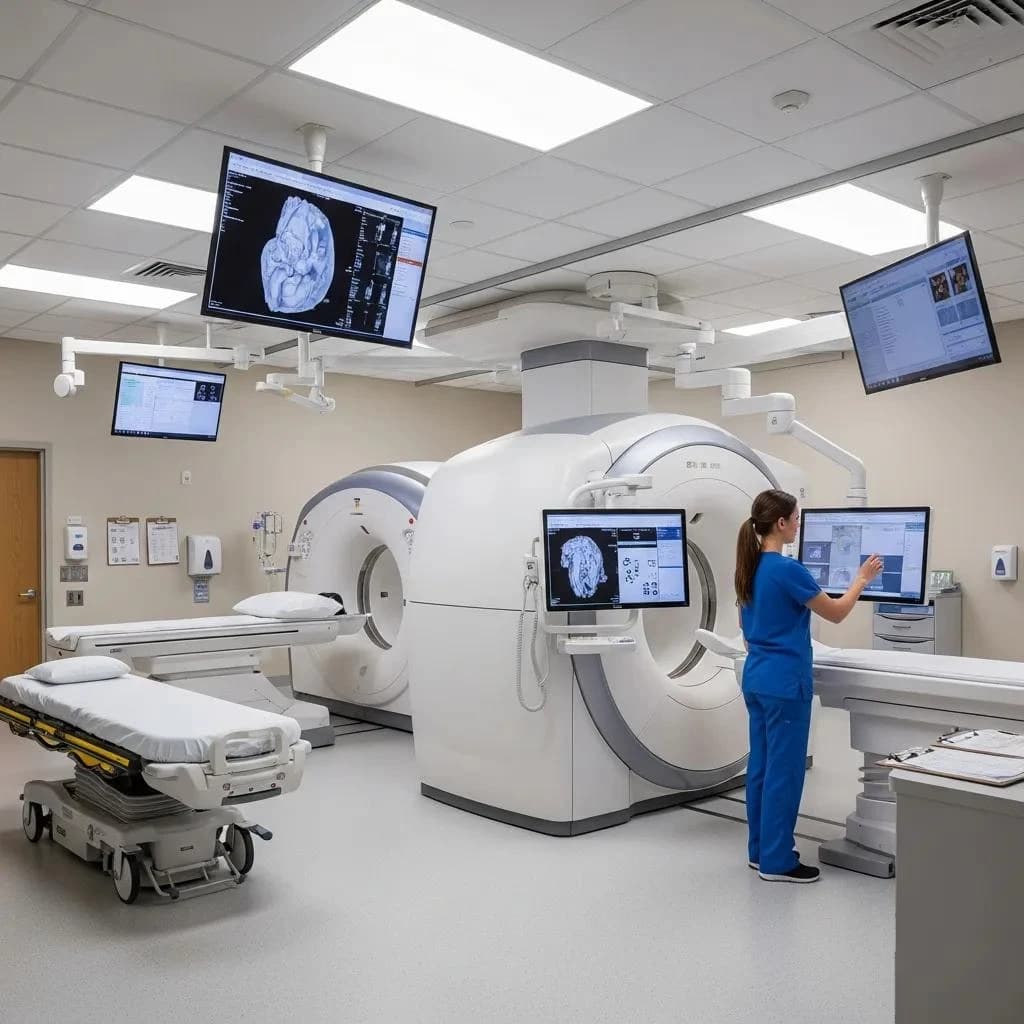
That’s why the U.K.’s launch of the world’s largest AI-assisted breast cancer screening trial, covering 700,000 women, matters far more than the hype around miracle-drug headlines. The study is a real-world test of whether artificial intelligence can raise detection rates and catch cases human radiologists miss, which would make AI a practical, reimbursable tool inside existing health systems rather than a speculative biotech moonshot.
Sentiment Indicators
Investors should read that distinction carefully. Drug discovery remains a long, failure-prone process, and the evidence still shows how hard it is to turn AI promise into approved therapies. According to the data context, no drug developed with AI has yet won U.S. Food and Drug Administration approval, even if a handful are in late-stage human trials. That is a sobering reminder that the most obvious AI-for-cancer narrative is also the most crowded and the least proven.
The market is already reflecting that tension. The XBI biotech ETF, a barometer for speculative drug development, has been whipsawed, recently trading at 147.16 after peaking near 169.55 in August and falling as low as 140.18 in November. Its 50-day moving average still sits above the latest close, and the recent slide in RSI readings and MACD momentum suggests enthusiasm for high-risk biotech remains fragile. By contrast, IBB, which leans more toward larger, established biotech names, has held up better, closing at 208.7 and staying near its 50-day average. That spread tells you the market prefers durability and cash flow over platform dreams.
The real investable thesis is that AI in oncology will likely show up first as an efficiency upgrade, not a cure. Screening, diagnostics, lab automation and clinical decision support can scale faster because they plug into existing care pathways and can be measured in hard outcomes: earlier detection, fewer missed cancers, lower costs and better throughput. Those are the kinds of benefits that can justify hospital spending and payer reimbursement. They also create demand for the companies providing the picks-and-shovels — not just the startups promising to rewrite biology.
That is why the U.K. trial is so important. If it proves AI can improve mammography workflows at national scale, it becomes a template for adoption across Europe and beyond. It also strengthens the case for companies tied to imaging software, digital pathology, sequencing and healthcare IT, while leaving drug developers with the harder task of proving that AI can materially improve target discovery, trial design and probability of success.
The broader message for investors is straightforward: the market underestimates how much of the AI-in-healthcare opportunity will be won through infrastructure, not therapeutics. The biggest upside may lie in tools that help hospitals process more data, triage more patients and make clinicians more productive — not in the fantasy of an overnight AI breakthrough in oncology.
If you want exposure to this megatrend, position for the enablers, not the hype. The next phase of AI in cancer is likely to reward diagnostics, imaging and healthcare workflow names long before it rewards anyone claiming to have engineered a cure.
| Entity | Gains | Losses |
|---|---|---|
| AI diagnostics firms | ▲Earlier adoption | ▼Cure-hype fatigue |
| Imaging and workflow software | ▲Reimbursement potential | ▼Speculative drug platforms |
| Large biotechs | ▲Incremental efficiency | ▼Attention on distant moonshots |
| XBI-speculative biotech longs | ▲Selective upside | ▼Momentum-driven pullbacks |