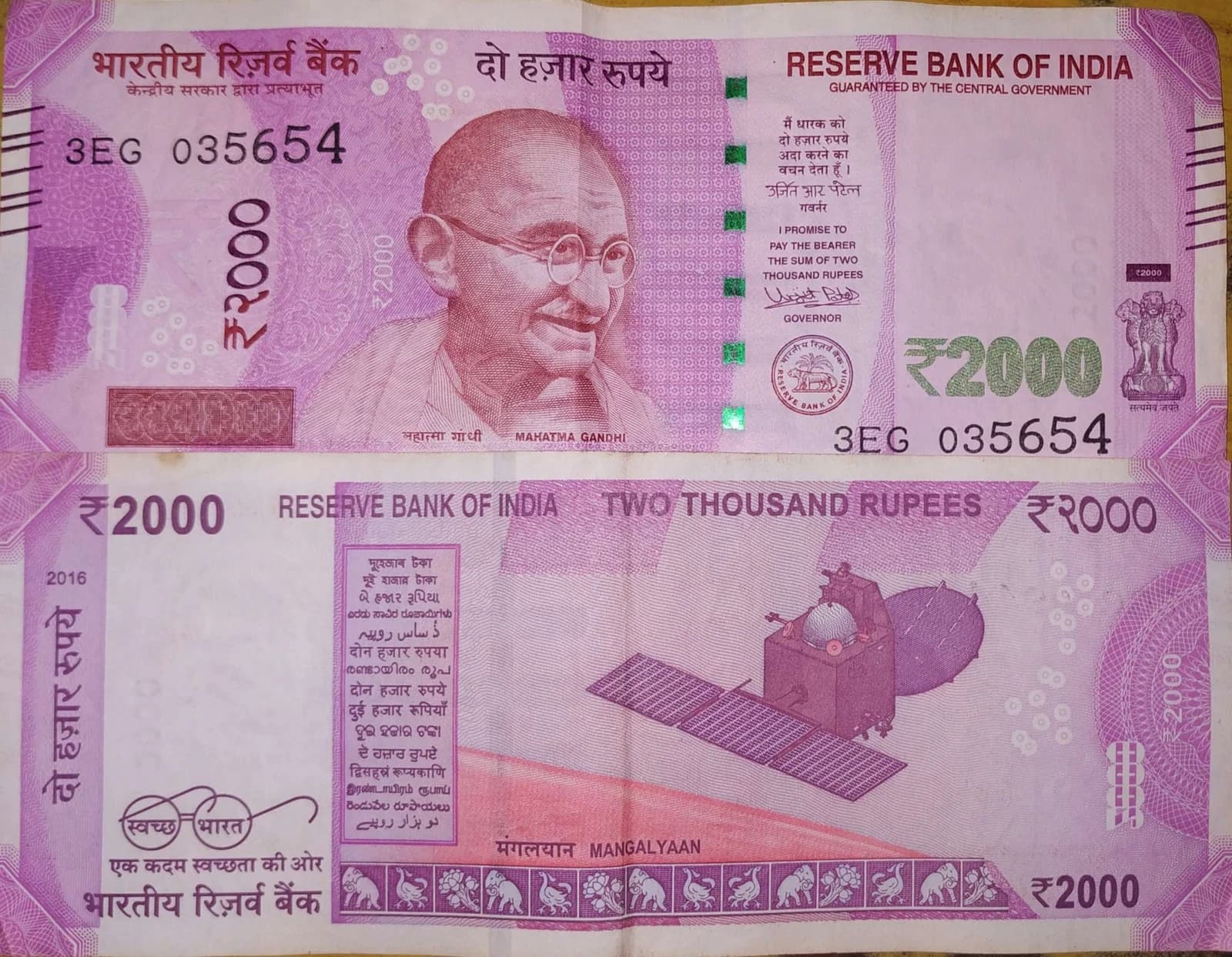
A Madhya Pradesh family’s century-old claim over a £35,000 Indian War Loan has run into a dead end after the UK’s Debt Management Office said it could find no evidence the obligation was ever a liability of the British government.
UK DMO Rejects Madhya Pradesh War Loan Claim
The response matters less for the family’s private dispute than for what it says about the difficulty of enforcing or even documenting sovereign debt across regime changes, decolonisation and archival gaps. For investors, it is a reminder that government obligations rest not just on legal wording but on institutional continuity, record-keeping and the willingness of successor states to acknowledge old claims.
Sentiment IndicatorsⓘProprietary · adalytica.com · October 24, 2026
This is a snapshot — live sentiment, awareness and momentum for 130+ markets update continuously in the dashboard.Open AlphaPulse

According to the family, a certificate dated June 4, 1917 shows Seth Jumma Lal Ruthiya subscribed ₹35,000 to the Indian War Loan, a financing tool used by the British administration during World War I to raise money for military spending. The family says the instrument carried 5.5% annual interest and that neither principal nor a satisfactory settlement record has ever been produced. The certificate bears the signature of WS Davis, then Political Agent in Bhopal, and was said to have been preserved in family papers for more than a century.
The UK DMO’s email, dated Oct. 16 and relayed through the family’s lawyer, said it had “investigated and can find no evidence that the loan you refer to was or is an obligation of the UK govt.” That leaves the Ruthiya family with a historical document but no formal acknowledgment of liability. In practical terms, the reply shifts the burden back to the claimants to prove not only that the subscription existed, but that the debt remained on the books after British rule ended in 1947.
The case has broader resonance because sovereign debt depends on chain-of-title as much as on cash flow. When governments change, debts can be assumed, repudiated, restructured or simply lost in the historical record. For investors in sovereign bonds, the lesson is that legal enforceability and administrative memory are core to credit quality. The market tends to assume continuity; episodes like this show how fragile that assumption can be when the underlying claim is a century old and tied to a vanished imperial administration.
There is no direct market impact from the dispute, but it sits against a backdrop of renewed scrutiny of sovereign borrowing costs and debt sustainability. Governments from the US to Europe and emerging markets are contending with elevated long-term yields and tighter fiscal room, making the legitimacy and documentation of debt obligations more consequential than in the era of cheap money. The story also underscores why old liabilities, pension claims and historic bonds occasionally re-emerge as political rather than financial issues.
For the Ruthiya family, the next step is likely to be historical and legal rather than financial: tracing archival references, seeking further clarification from the UK and establishing whether any repayment or extinguishment was ever recorded. For investors and policymakers, the case is a small but telling example of how sovereign obligations are ultimately only as strong as the institutions that preserve them.
| Entity | Gains | Losses |
|---|---|---|
| UK Debt Management Office | ▲Limits liability exposure | ▼Faces reputational scrutiny |
| Ruthiya family | ▲Preserves claim narrative | ▼Has no repayment record |
| Sovereign debt investors | ▲Reminder on legal continuity | ▼Confidence in old claims |
| Archivists/legal historians | ▲New public interest | ▼Pressure to verify records |