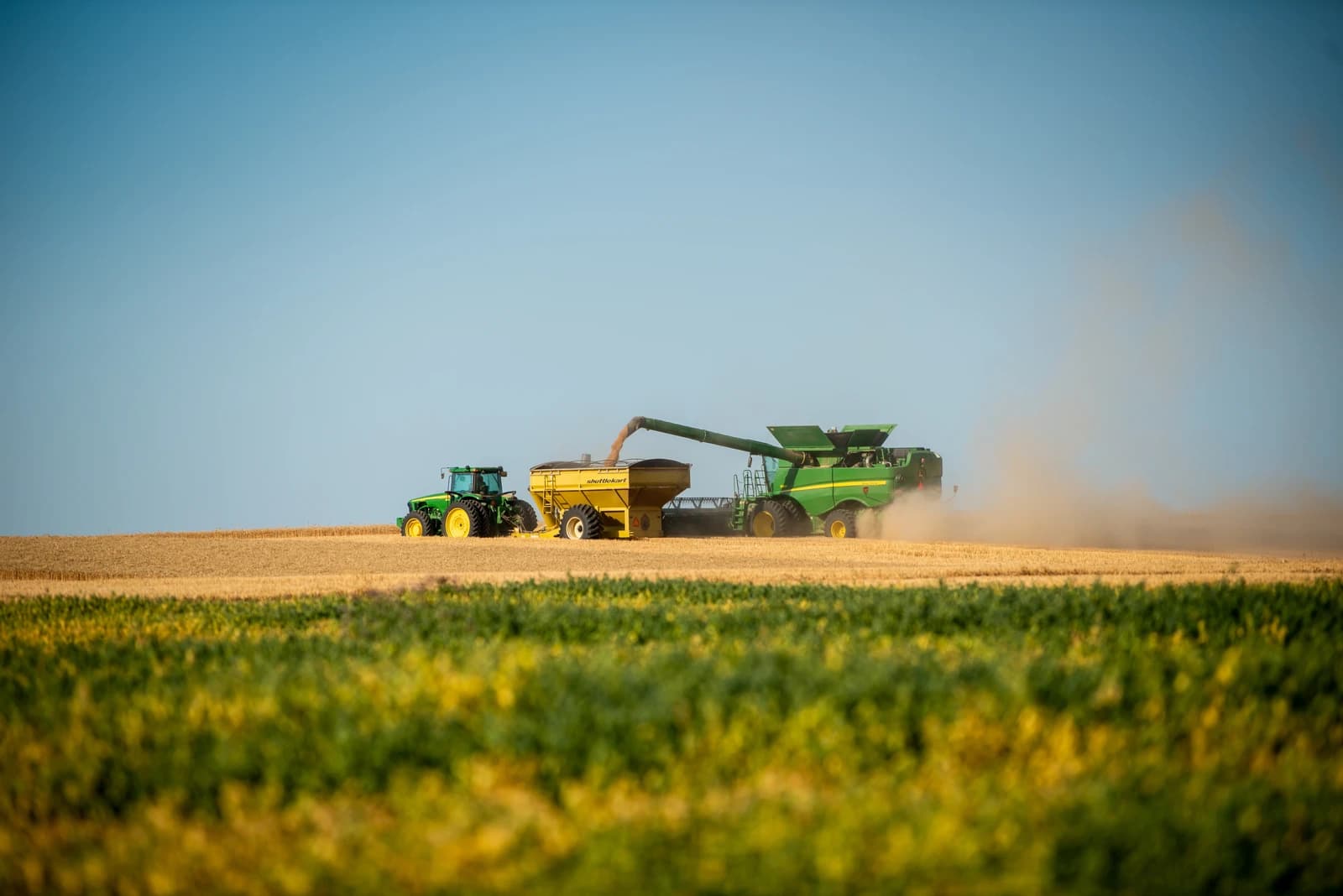
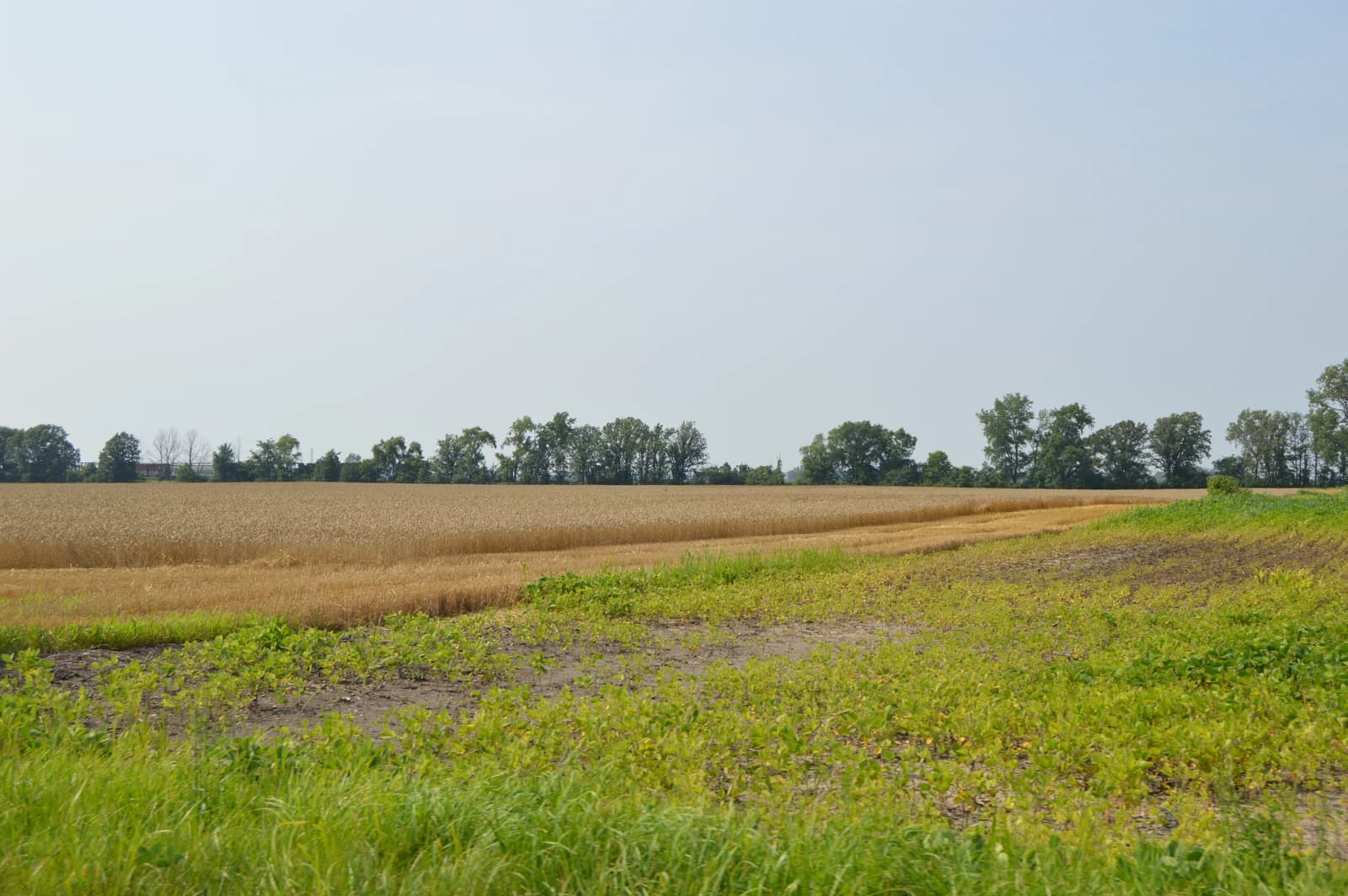
UK grain growers are set to shift more land into wheat and oilseed rape for harvest 2027, while spring barley looks headed for its lowest area in two decades, a change that could tighten supply for the malting and brewing market and reshape margins across the arable sector.
UK grain growers shift land to wheat and rapeseed
The Agricultural and Horticultural Development Board’s early planting survey points to a 1% increase in wheat area to 1.664 million hectares, driven by winter wheat, alongside only a 1% decline in winter barley. The sharper move is in spring crops: spring barley is forecast to fall 11% to 531,000 hectares, the smallest area since 2006, while spring oats are seen down 18%.
Sentiment Indicators
Food & Groceries
That matters economically because it signals where UK farmers expect the best returns in a year still marked by high input costs, uneven crop performance and weak demand in some end markets. The AHDB said a second difficult year for spring crops, combined with pressure on barley demand from malting, brewing and distilling, is pushing growers toward autumn-drilled cereals and away from spring barley. For buyers, that raises the risk of tighter supply and higher procurement costs later in the cycle.
Oilseed rape is emerging as the main winner. The survey suggests area could jump 28% to 415,000 hectares, the biggest since 2019, helped by improved 2026 yields and a better margin outlook than competing crops. That shift is also a reminder that relative profitability, not just agronomy, is driving planting decisions. Pulses, by contrast, are seen falling 20%, again losing ground to oilseeds as growers chase more dependable gross margins.
The broader market implication is that the UK is likely to produce a more cereal-heavy harvest mix in 2027, with winter crops benefiting from good drilling conditions in autumn 2026. That should support output stability for wheat, but it also underscores how quickly acreage can swing when spring crop economics deteriorate. Stable uncropped arable area suggests environmental schemes are not absorbing significantly more land this season, removing one possible offset to production.
For investors, the read-through is most relevant to grain merchants, malting-linked supply chains and agricultural input suppliers. A larger wheat crop could ease domestic feed availability, but a smaller spring barley crop points to firmer pricing power for barley sellers and potentially higher volatility in beer and spirits raw-material costs. Oilseed rape’s expansion may benefit crush and oilseed handlers, though any upside will still depend on weather, disease pressure and commodity price moves into 2027.
The next catalyst is whether the early intentions translate into final plantings after winter weather and spring field conditions are known. If they do, the UK will enter harvest 2027 with more wheat, less spring barley and a bigger oilseed rape footprint — a mix that favors cereal supply, but not necessarily the sectors that rely on spring barley as a core feedstock.
| Entity | Gains | Losses |
|---|---|---|
| UK wheat growers | ▲Slightly larger acreage | ▼Limited upside if prices soften |
| Malting/brewing/distilling buyers | ▲Stable winter barley supply | ▼Tighter spring barley availability |
| Oilseed rape growers | ▲Best margin outlook, bigger area | ▼Disease and pest exposure |
| Pulse growers | ▲— | ▼20% area decline, weaker margins |