UK retailers are heading into the autumn with consumers still spending cautiously, as a soft labor market and sticky prices keep pressure on household budgets and limit the scope for a broad recovery in volumes.
UK retail sales remain weak as consumers stay cautious

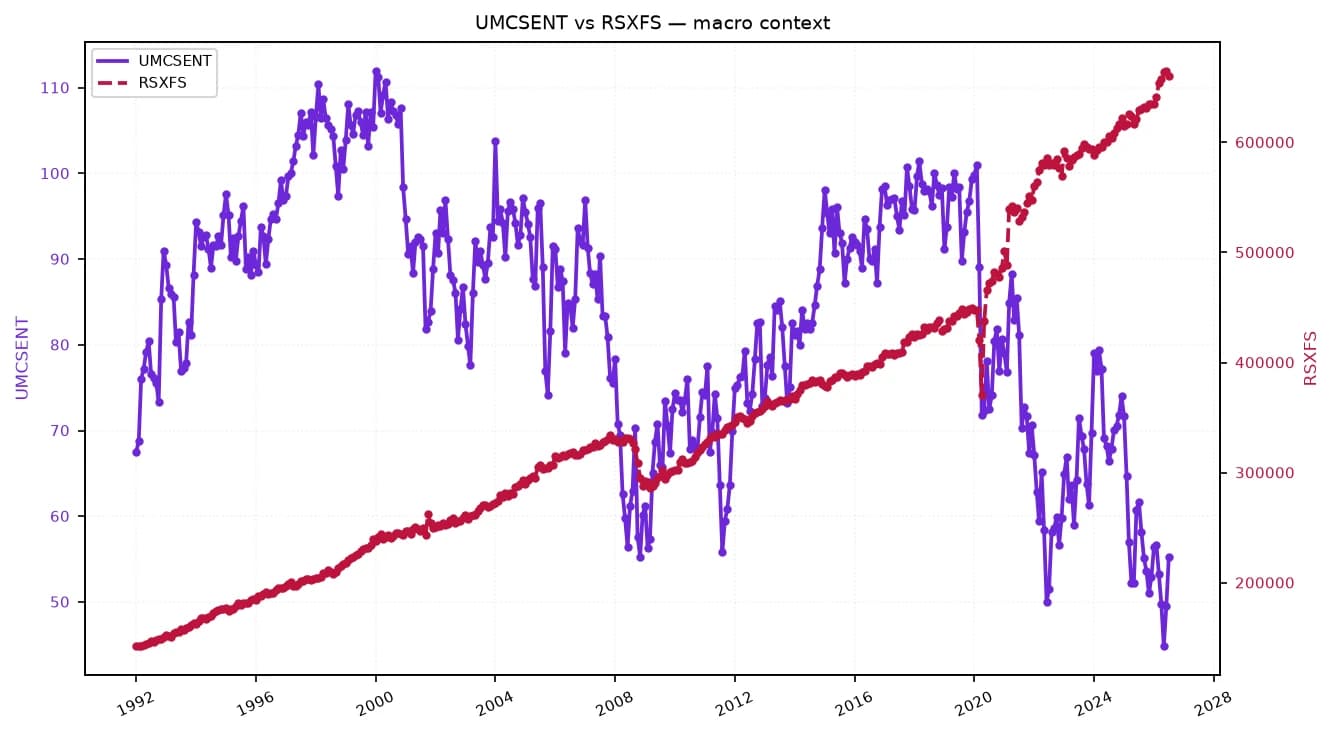
That matters because retail sales are one of the clearest real-time gauges of domestic demand, and the August BRC Retail Sales Monitor points to a consumer sector that is still growing more by price than by quantity. For the Bank of England, weak discretionary spending reinforces the case that tighter policy is continuing to bite even as inflation has cooled from its peaks. For investors, it suggests the retail rebound remains uneven: essential-goods chains and value formats are holding up better than higher-ticket and discretionary names.

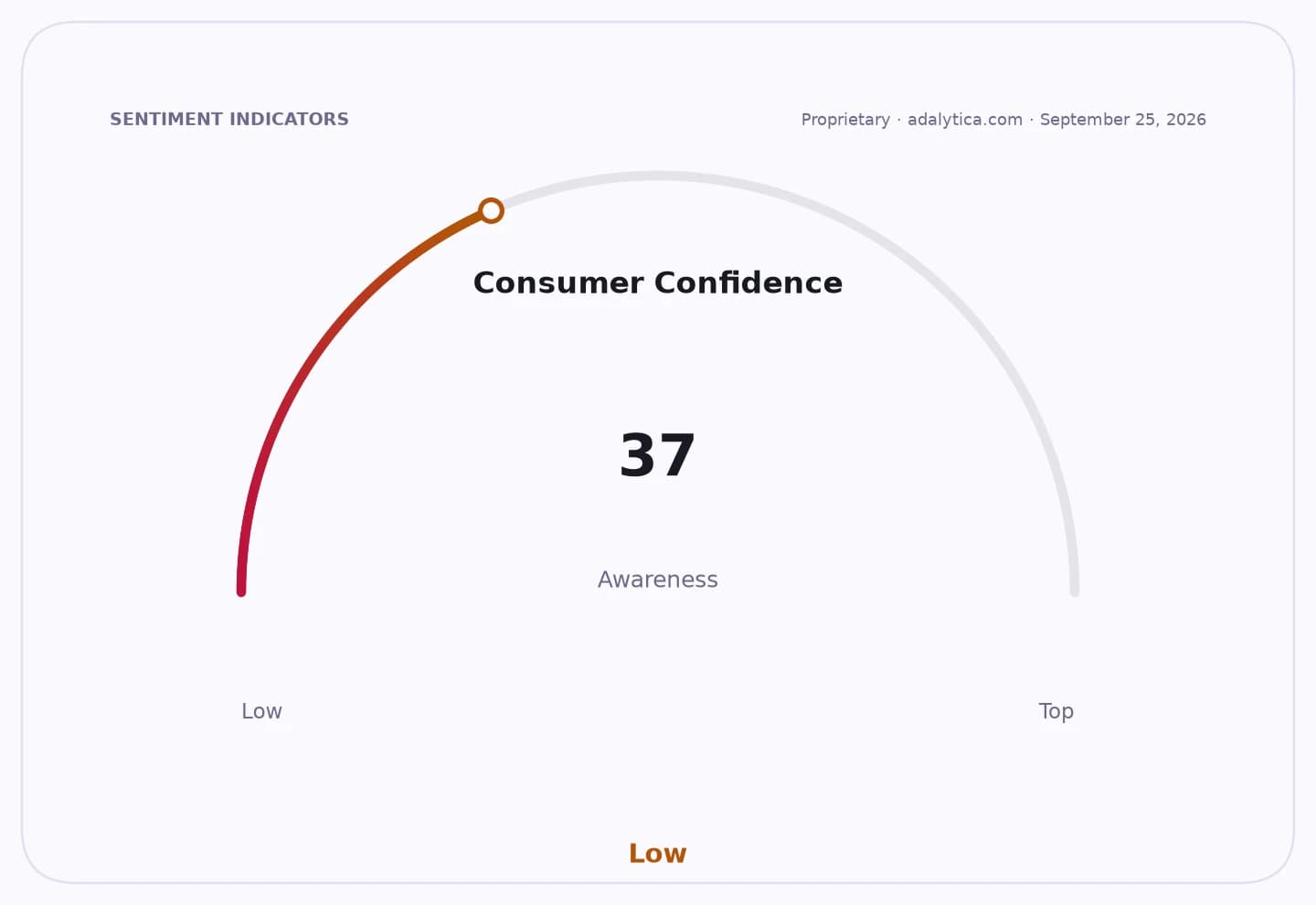
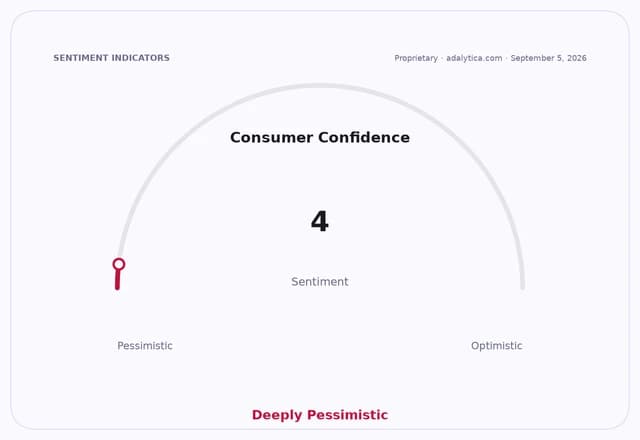
The macro backdrop is still defined by a consumer stretched between wage gains and persistent cost pressures. Unemployment has moved up from the lows of the post-pandemic recovery to 4.1% in August, while the underlying CPI trend is only slowly easing. Even if headline inflation is no longer surging, the BRC measure suggests households are not yet in a position to resume broad-based spending. Adalytica’s consumer spending and confidence gauges both show “Extreme Fear,” underscoring how quickly sentiment has deteriorated despite an economy that has avoided a hard landing.
For retailers, that split matters. Chains selling groceries, household essentials and discounted merchandise are better insulated because shoppers are trading down and prioritizing necessities. General merchandise and discretionary names face a tougher mix of softer footfall, promotional pressure and fragile margins. The recent divergence in US-listed retail peers reinforces the same pattern globally: Walmart and Costco have been relatively resilient, while more cyclical consumer names remain more exposed to cautious spending behavior.
From a market perspective, the signal is less about one month of sales data than about the durability of the consumer cycle. A weak BRC reading would tend to support lower UK rates over time, which helps interest-rate-sensitive assets, but it also raises questions about earnings momentum for listed retailers, landlords and consumer lenders. For investors, the key question is whether price-led growth can keep masking volume weakness, or whether households are finally starting to cut back even on everyday purchases.
The next test is whether wage growth, inflation and employment data can stabilize confidence before the key winter trading period. Until then, UK retail remains a story of resilience at the basket level and fragility beneath it.
| Entity | Gains | Losses |
|---|---|---|
| Value retailers | ▲Traffic from trading down | ▼Margin pressure from promotions |
| Grocery and essentials chains | ▲Defended sales volumes | ▼Limited pricing power |
| Discretionary retailers | ▲Potential festive rebound | ▼Softer demand now |
| Bank of England | ▲More room to ease later | ▼Weaker growth backdrop |