British retail sales growth cooled in August as an early-summer burst of spending driven by unusually warm weather ran out of steam, underscoring how fragile consumer demand remains heading into the final months of the year.
UK retail sales growth cooled in August

The British Retail Consortium said total sales rose 0.7% from a year earlier in August, down from 1.3% in July and the weakest pace in four months. Like-for-like sales, which strip out the effect of new floor space, increased 0.5% after a 1% gain in July. Food sales still grew 2.6%, but that was slower than July’s 3.8%, while non-food sales fell 0.8% after a 0.7% decline the previous month.
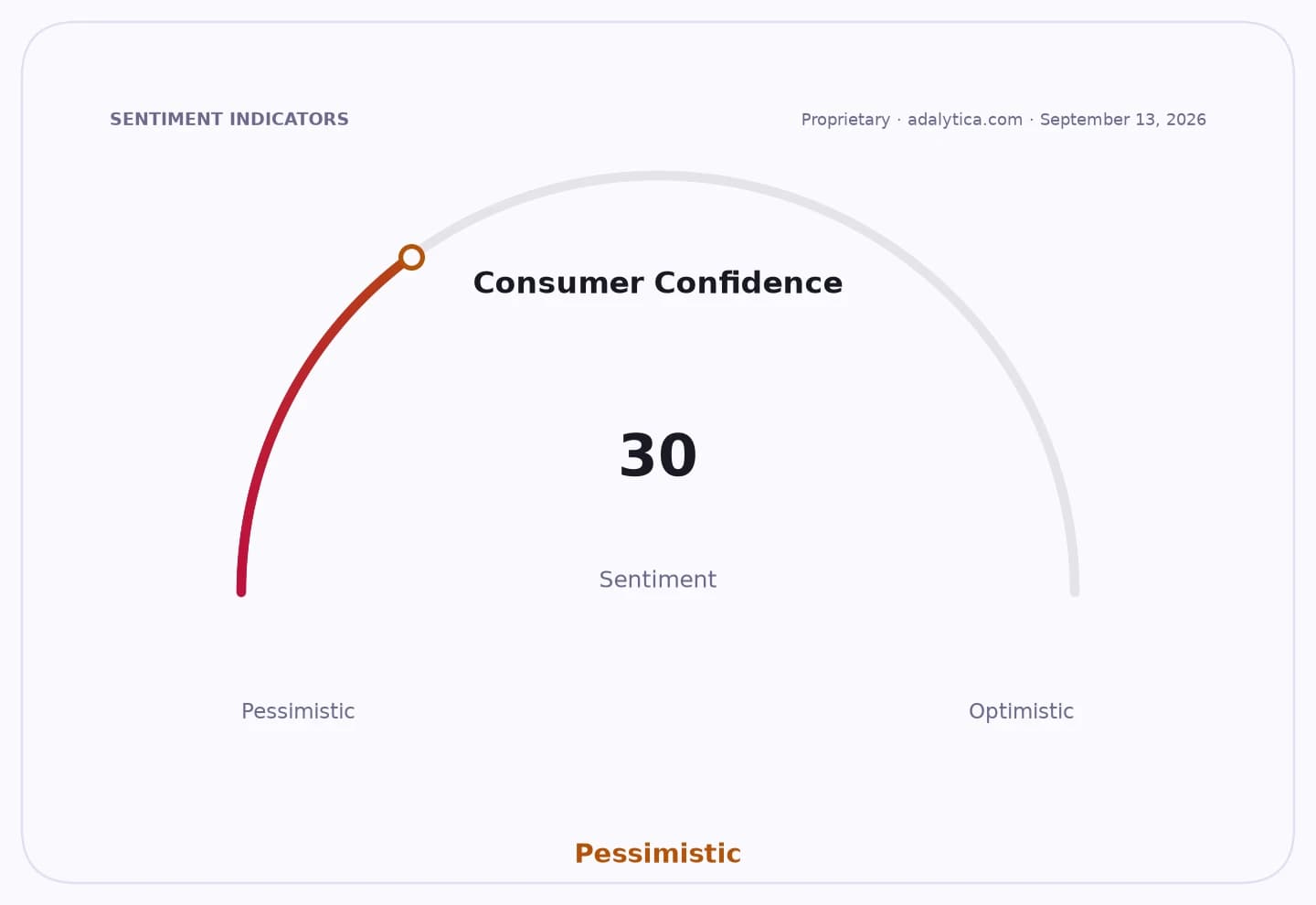
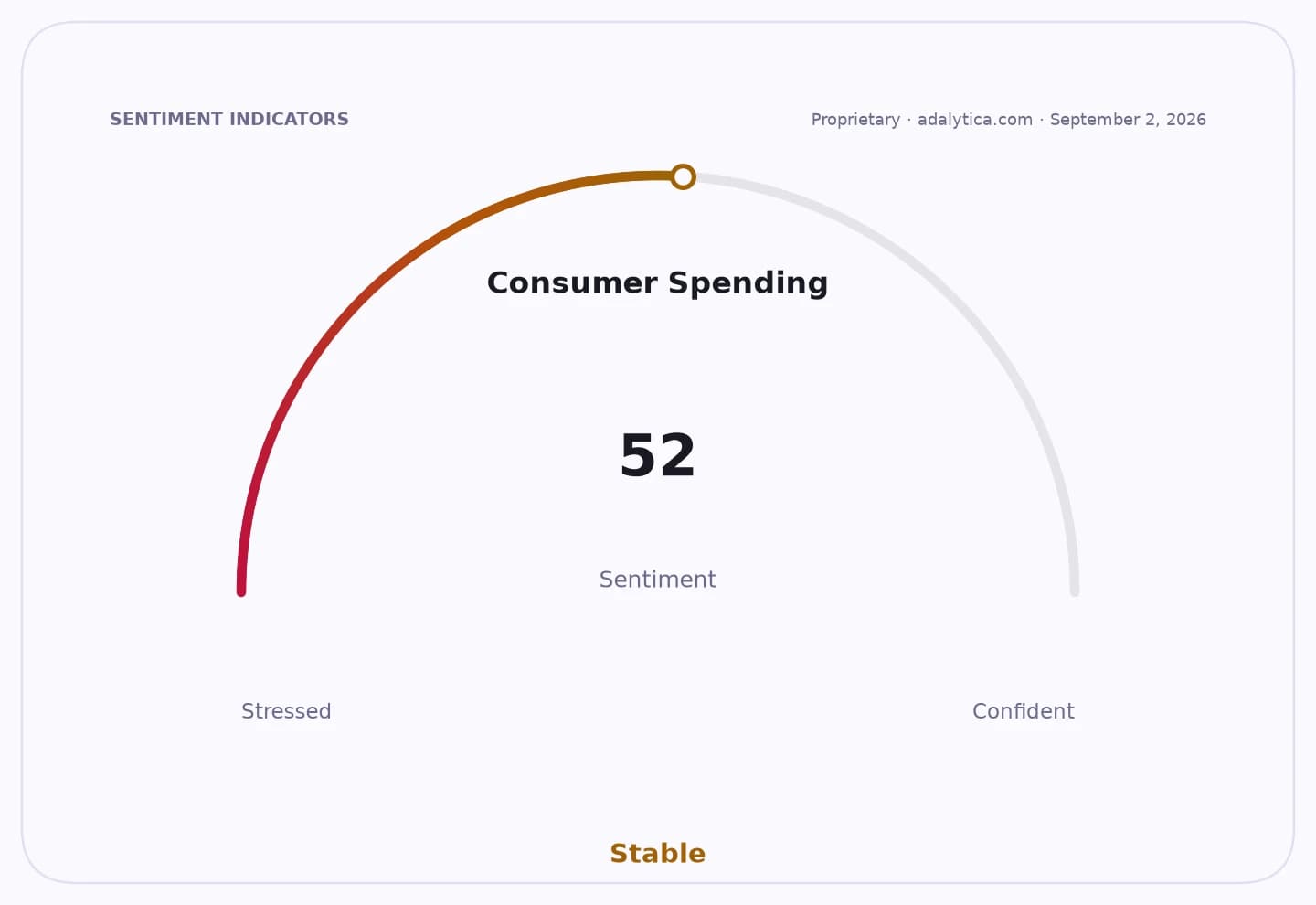
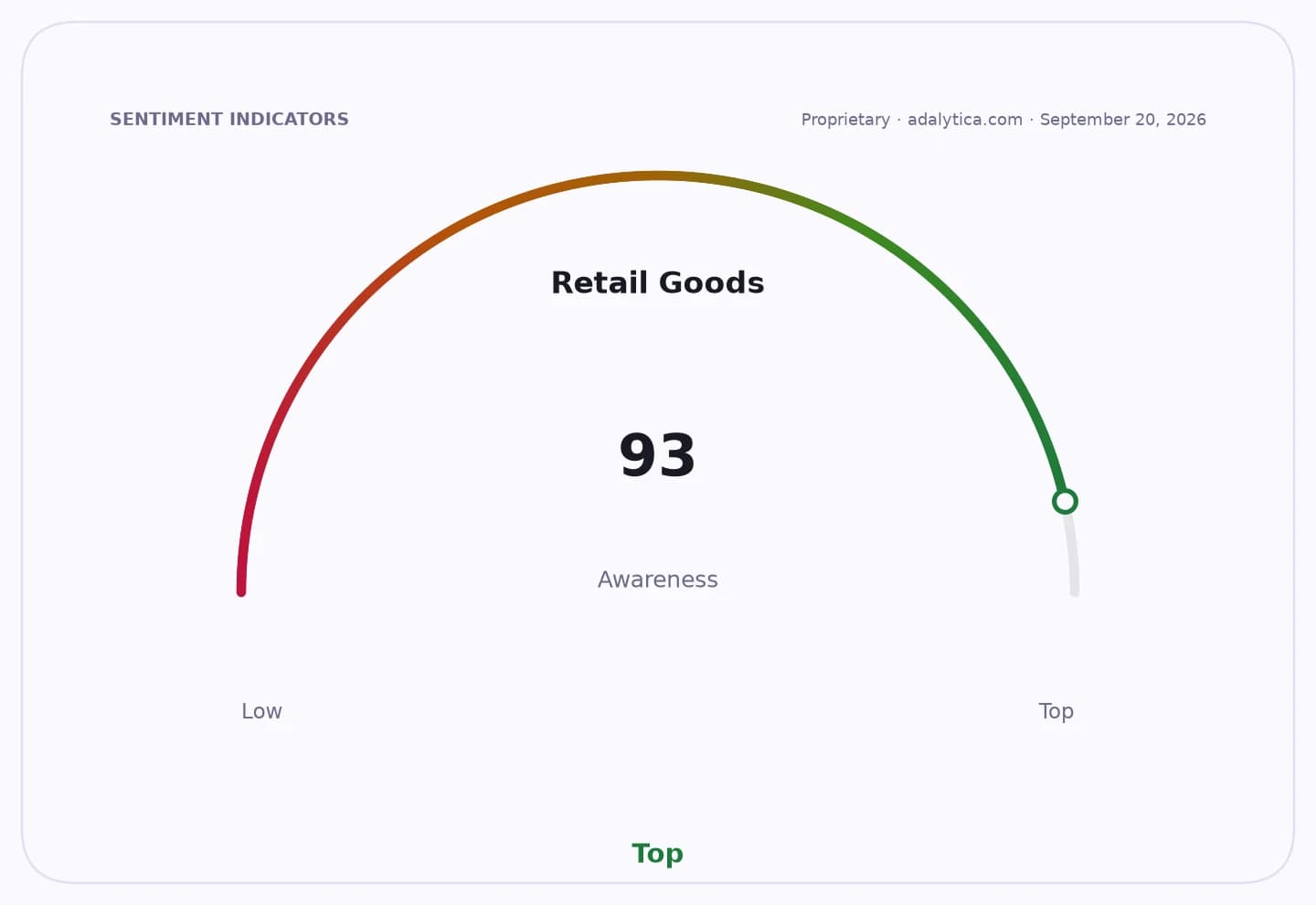
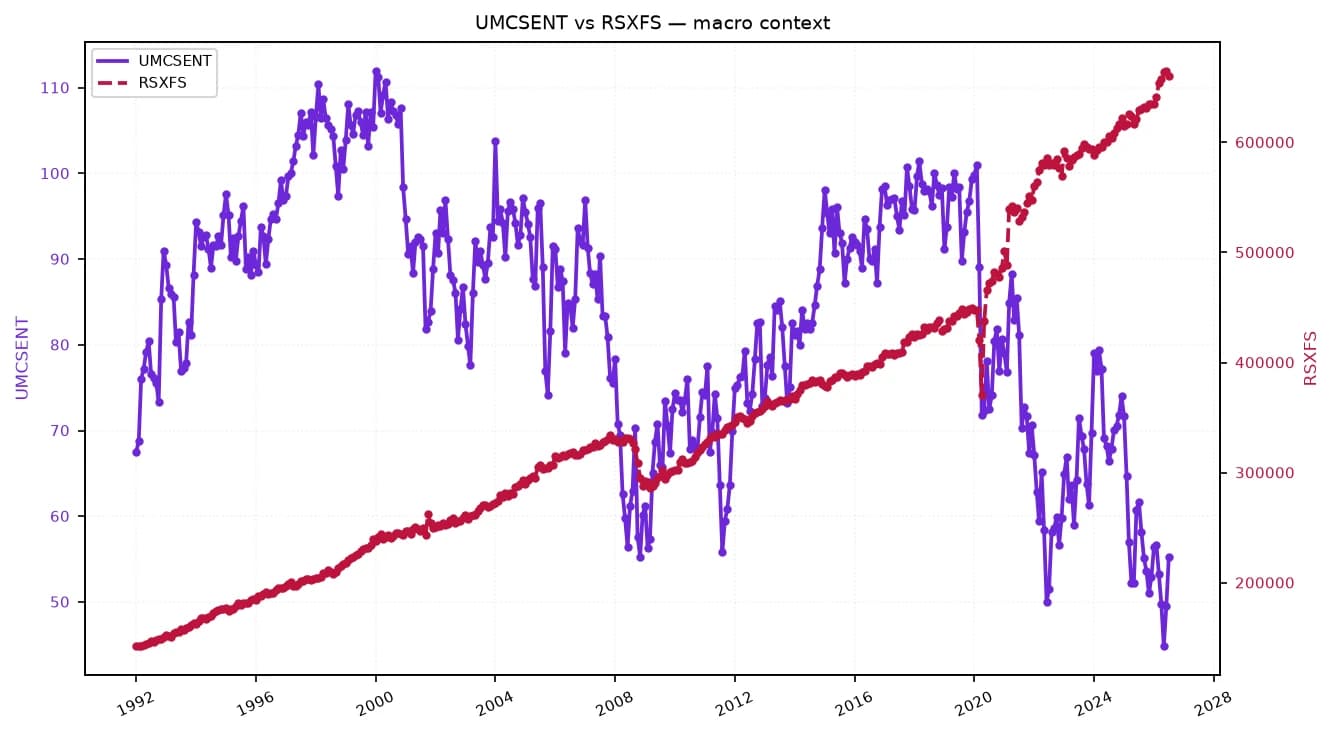
Sentiment IndicatorsⓘProprietary · adalytica.com · September 8, 2026
This is a snapshot — live sentiment, awareness and momentum for 130+ markets update continuously in the dashboard.Open AlphaPulse

The key issue for retailers is not that consumers stopped spending altogether, but that they are becoming more selective. The BRC said shoppers cut back on big-ticket purchases such as furniture and household appliances, while continuing to buy cheaper health and beauty items. That pattern is consistent with a household sector that is still spending, but only where it can justify the cost.
The data matters economically because retail remains one of the clearest real-time gauges of UK household demand, which has been pressured by higher borrowing costs, weak confidence and uneven wage growth. The BRC figures are not adjusted for inflation, so the slowdown in nominal sales likely translates into even weaker volume growth once price effects are stripped out. Official data already pointed in the same direction, with retail sales volumes growth slowing to 1.6% in July from 3.8% in June.

For investors, the implications run beyond the retail sector. Softening discretionary demand can weigh on listed chains, suppliers and consumer-facing property owners, while also reinforcing the view that the Bank of England has little reason to worry about overheating consumption. Barclays separately reported consumer spending growth of 2.1% in August, slightly above July’s 2.0%, but confidence fell from a 21-month high, suggesting households remain cautious even when they keep spending.
The mixed picture also highlights how weather can distort spending patterns without creating lasting momentum. Linda Ellett at KPMG said summer spending had started early in May, pulling forward some purchases that would normally have landed later in the season. That leaves retailers exposed to a possible air pocket in demand unless back-to-school and holiday trading pick up materially.
For equities and credit markets, the read-through is straightforward: staples and value-oriented retailers may prove more resilient than discretionary names dependent on larger basket sizes. The bearish case is that weak confidence and subdued non-food sales signal a consumer recovery that is stalling before year-end. The more constructive view is that spending has not collapsed, merely rotated toward essentials, and could improve if real incomes continue to stabilise.
What investors will watch next is whether September data confirms a broader slowdown or just the unwinding of weather-driven demand. A sustained drop in non-food sales would strengthen the case for a softer growth backdrop and a more cautious outlook for UK consumer stocks.
| Entity | Gains | Losses |
|---|---|---|
| Food and health & beauty retailers | ▲Steadier demand | ▼Margin pressure on discretionary items |
| Discretionary retailers | ▲— | ▼Weaker big-ticket sales |
| Consumers | ▲More selective spending choices | ▼Less room for non-essential purchases |
| Bank of England | ▲Easier inflation/ demand outlook | ▼Slower consumption backdrop for growth |