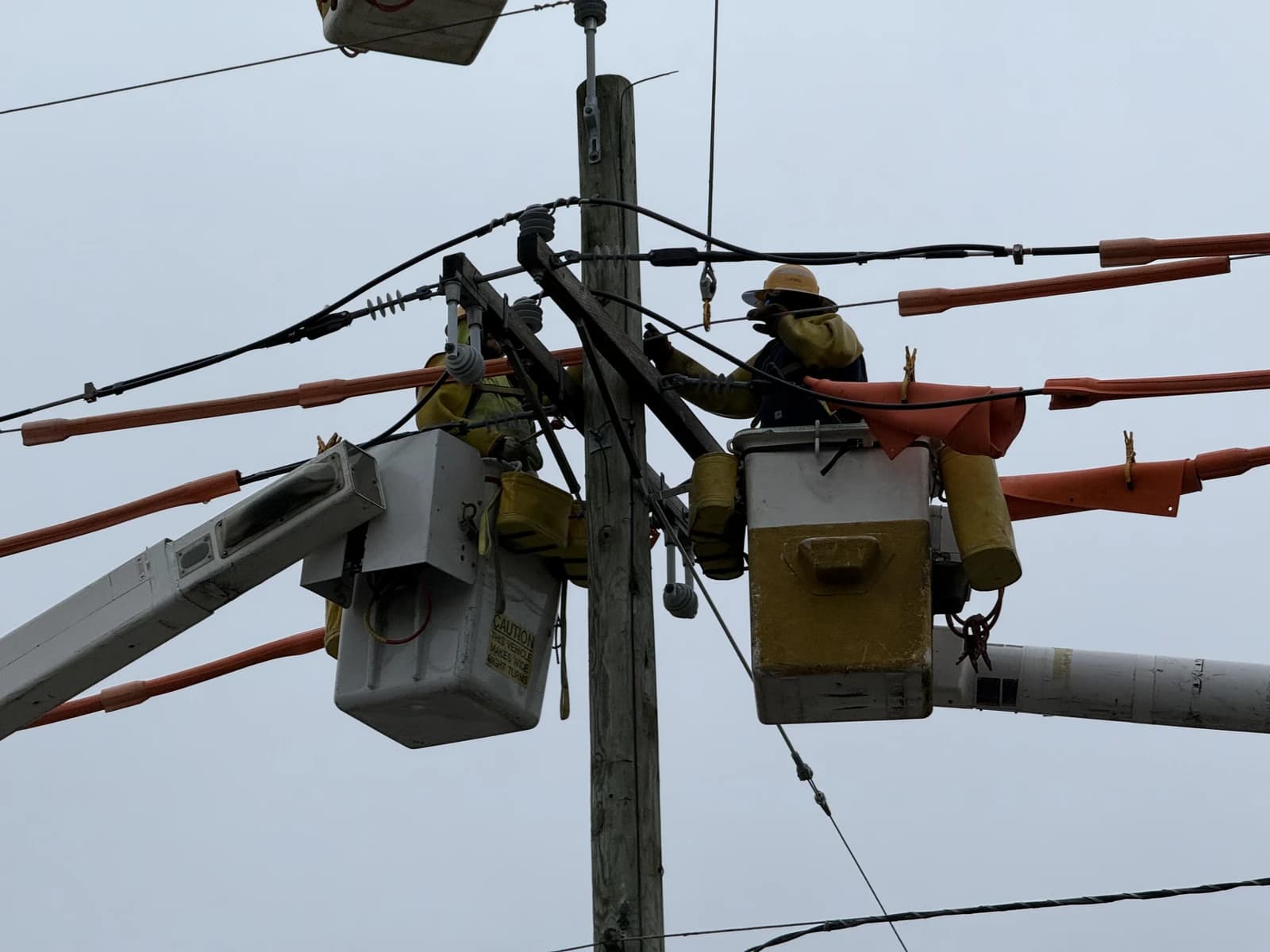
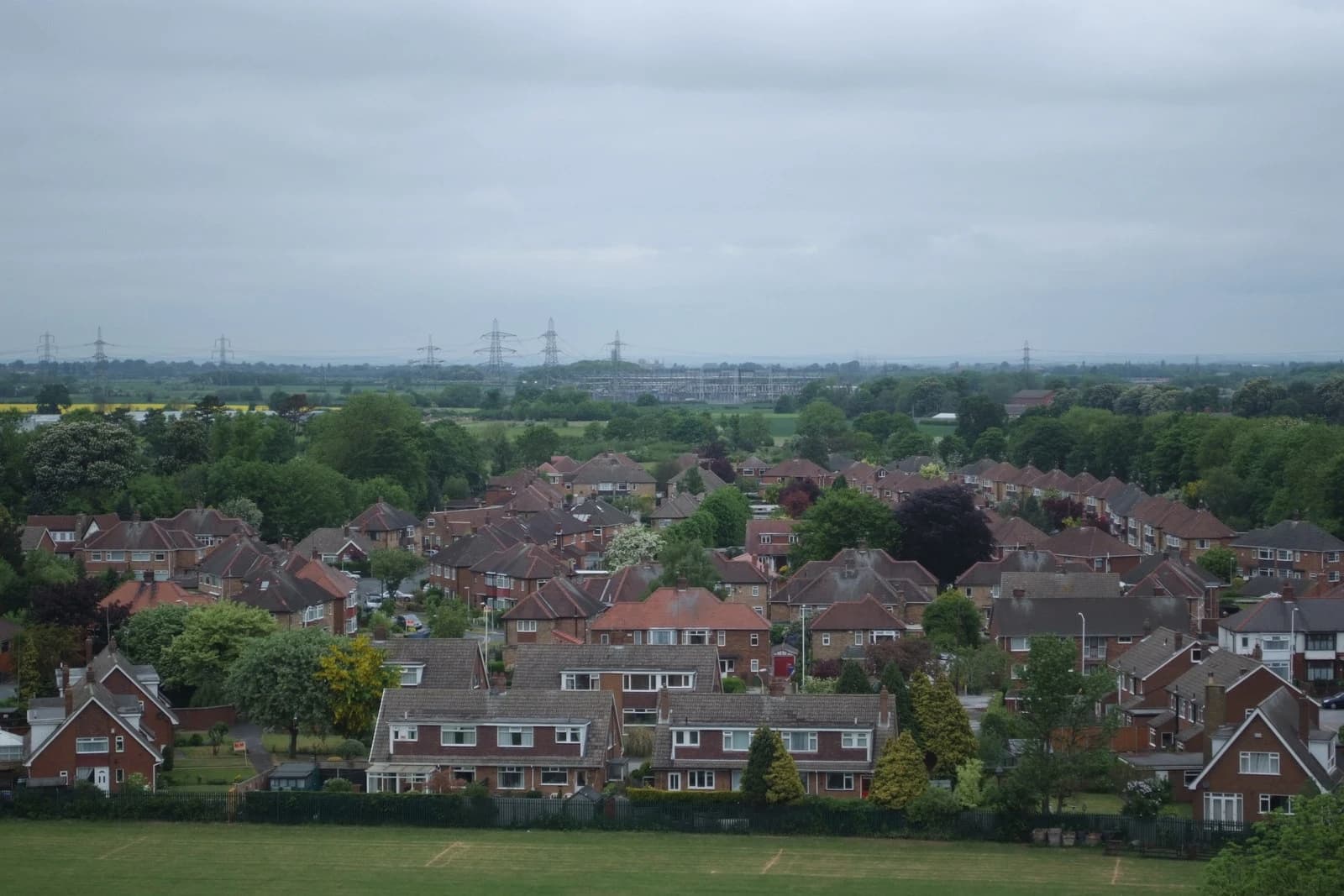
Britain’s move toward a far more decentralised power system is forcing utilities to build out the digital infrastructure that will let millions of devices, not a few dozen power stations, keep the grid balanced.
UK utilities digitalisation and grid flexibility
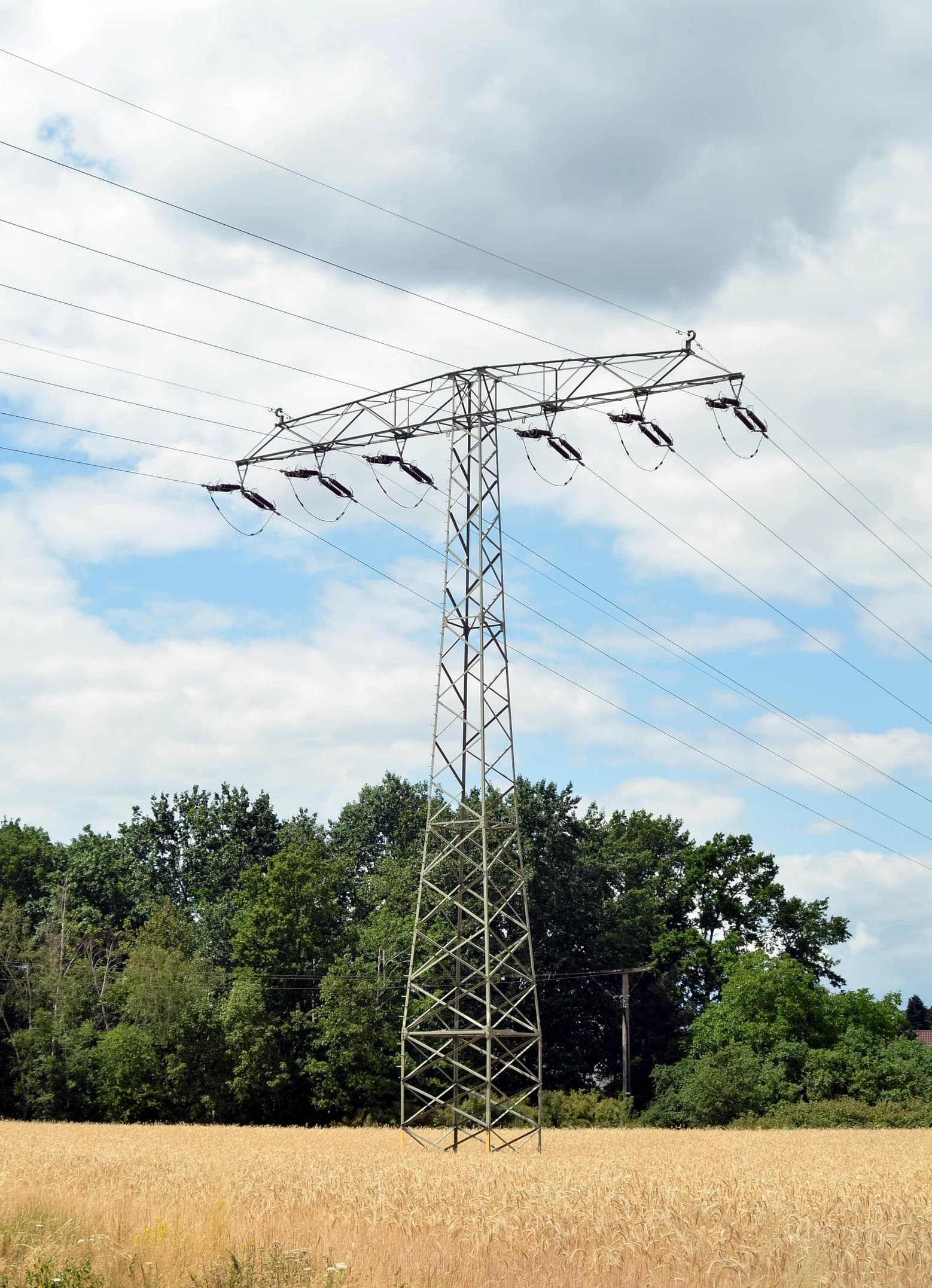
That was the central message from speakers at Future of Utilities: Smart Energy 2026 in London, where executives and regulators argued that the energy transition has outgrown the sector’s old operating model. In 1990, the system mainly had to coordinate around 60 large power stations; by 2050, it will need to manage roughly 60 million smart devices in homes and businesses, from electric vehicles and batteries to electric heating. The challenge is not just more hardware, but more data, more interoperability and faster decisions inside a network that is already constrained.
Sentiment Indicators
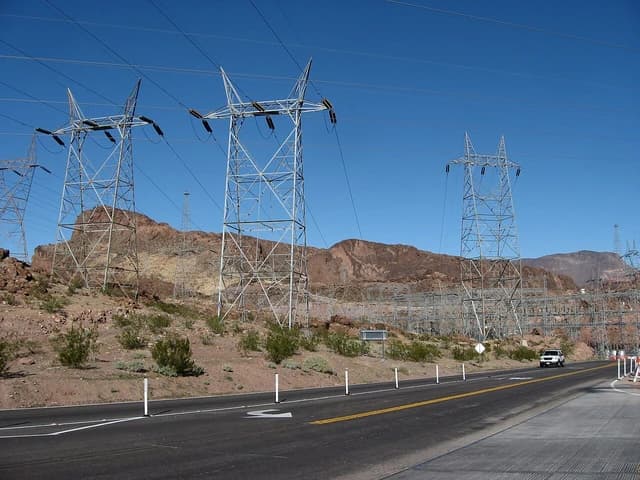
The economic significance is straightforward: without shared digital standards and better grid visibility, the UK risks making the energy transition more expensive than it needs to be. Speakers at the event said digitalisation is now as essential to infrastructure as wires, substations, generation and storage. Yet much of the groundwork remains fragmented, raising the risk of duplicated investment, slower deployment of flexible assets and higher operating costs for networks, suppliers and consumers.
That problem has become a policy issue as much as a technology one. The Department for Energy Security and Net Zero and Ofgem published an Energy Digitalisation Framework in March 2026 aimed at coordinating an energy data sector that has so far developed in silos. The framework seeks secure, interoperable data sharing with consumer consent and splits the market into four domains, each with its own coordinator. Officials said the goal is to avoid “too many fingers in the pie” and to give distribution network operators better visibility of the assets connecting to local grids.

For investors, that matters because the next phase of utility capex is increasingly about software, data platforms and control systems rather than only steel in the ground. Companies that get the digital foundation right should be able to plan grids better, manage congestion and integrate distributed energy resources more efficiently. Those that lag may face higher costs, slower returns on capex and weaker operating leverage as electrification accelerates.
E.ON is already illustrating the scale of the shift. Chief information officer Sebastian Weber said the company doubled IT spending after making digitalisation a core strategy about five years ago and spent years migrating data centres to the public cloud before it could begin testing AI models meaningfully. That investment now supports a digital twin covering more than a third of Germany’s distribution grid, built on data from 55 million grid assets and more than 180,000 measuring devices across 700,000km of network. The platform is being used for grid planning, congestion management and investment routing, while generative AI is also being pushed into back-office functions such as accounts payable and customer service.
The message from utility executives was that AI can only be useful once the data architecture is in place. Weber said the industry should start now rather than wait for the technology to mature, but he and others were careful not to oversell its near-term role. AI is already being used in operations, yet core systems such as billing are unlikely to be replaced within five years, and more speculative applications such as humanoid robots for inspections remain far from field deployment.
National Energy System Operator is taking a similarly cautious approach. Its Volta programme is testing AI tools to optimise the control room as it handles a much larger and more variable asset base than it was designed for. Demand forecasting tools developed with Oxford and IBM are being handed to operational teams, while other projects are working on scheduling and scenario analysis. But the operator stressed that humans will remain in control of decision-making, underlining that the first wave of AI in grid operations is likely to augment rather than replace system operators.
The constraints are not just technical. Statkraft said it operates across markets with different data standards and rules for sharing information, which raises costs and limits the value of flexibility. Audience polling at the event pointed to cybersecurity as the biggest perceived risk to a smarter grid, though Ofgem’s Marzia Zafar argued the bigger bottleneck is often organisational middle management rather than top-level strategy. She also noted that consumer-led flexibility may not be attractive enough on its own, leaving commercial and industrial customers as the more important pool for load shifting.
| Entity | Gains | Losses |
|---|---|---|
| Grid operators | ▲Better visibility and planning | ▼Legacy operating complexity |
| Utilities investing in digitalisation | ▲Higher efficiency and control | ▼Upfront IT spending |
| Consumers with flexible assets | ▲More participation options | ▼Limited near-term incentives |
| Slow-moving utilities | ▲Short-term capex restraint | ▼Higher long-term system costs |