Greece’s two grid operators are preparing to use artificial intelligence across the power system, but only under human supervision, as the country’s digital rollout turns electricity networks into data-heavy assets that need faster decisions to keep supply secure.
Greece Grid Operators Plan AI Use Under Supervision
The message from the DEDDIE and ADMIE executives at the AI in Energy conference is economically significant because it points to a broader shift in how utilities will manage rising complexity from renewables, electric vehicles and distributed generation. For Greece, the immediate issue is not AI replacing operators, but AI becoming a tool to make an increasingly modern grid usable at scale without compromising reliability.
Sentiment IndicatorsⓘProprietary · adalytica.com · October 6, 2026
This is a snapshot — live sentiment, awareness and momentum for 130+ markets update continuously in the dashboard.Open AlphaPulse
At the distribution level, DEDDIE is in the middle of a smart-meter deployment running at about 5,500 installations a day, with full coverage targeted toward the end of the decade. That matters because smart meters create a constant flow of consumption and network data that cannot be handled efficiently with legacy systems. The investment case for digitalization has shifted from convenience to necessity: without real-time observability, the grid is more exposed to weather shocks and volatile renewable output.
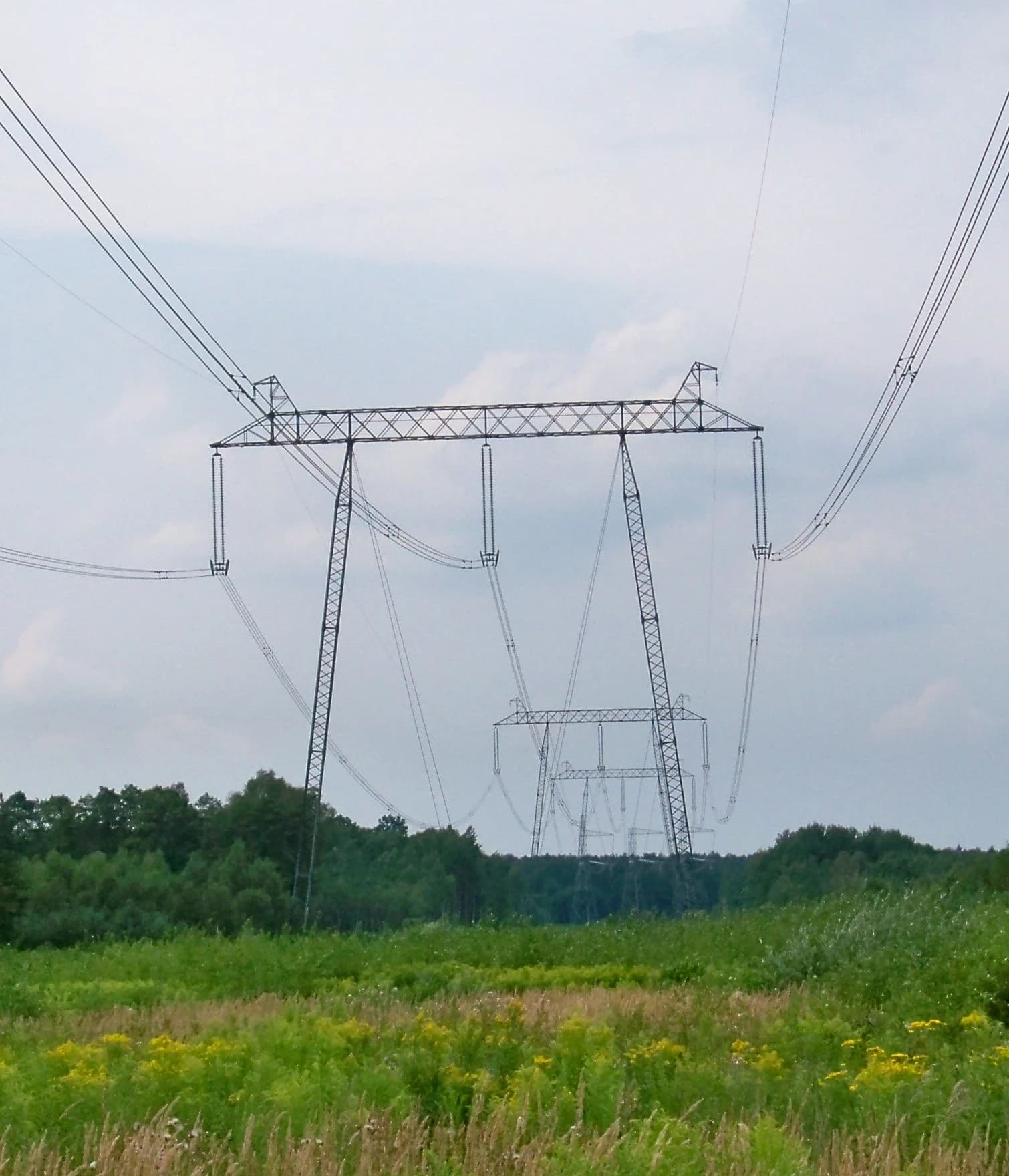
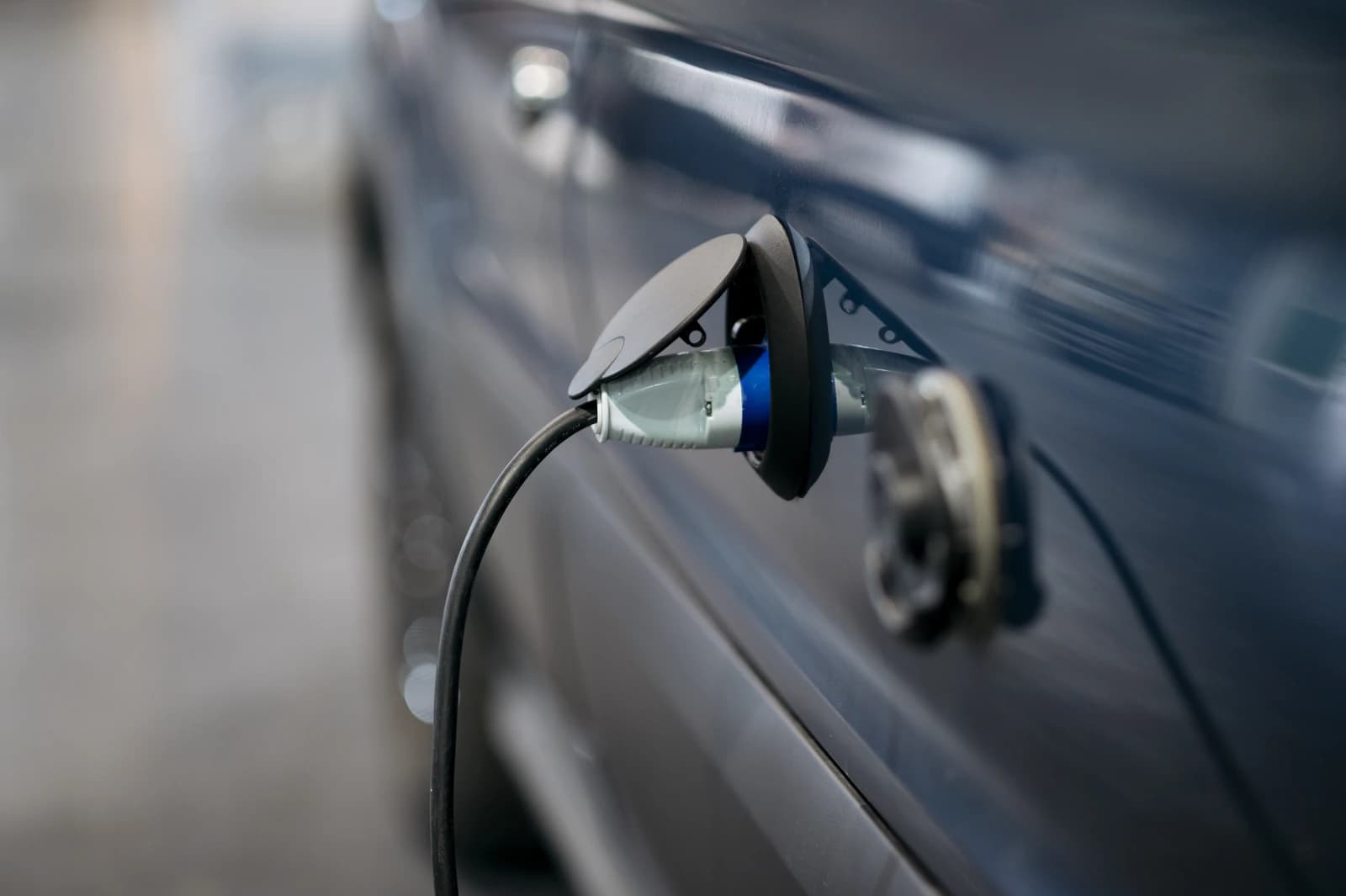
ADMIE, which runs the transmission network, faces a similar but more acute problem. Its operators must assess security in real time, manage congestion, restore the system after sudden disruptions and defend it against large-scale failures like the Iberian blackout cited by executives. The transmission grid is also becoming more complex as participants multiply from a small number of centralized generators to thousands of renewable plants, industrial users, distribution-level assets and electric vehicles. That scaling problem is exactly where machine learning can help, by screening data, forecasting stress points and supporting dispatch decisions.
The operators are still drawing a firm line around autonomy. DEDDIE says AI must be made “safe and stable,” with safety and the human factor as the top priority. ADMIE says algorithmic tools should first support system-operation decisions, then be tested in live operations by 2030, and only later move toward a more automated setup by 2035 — all with human oversight preserved under European rules. That timeline suggests regulators are likely to tolerate AI as a decision aid before they accept it as a decision maker.
For investors, the story reinforces a bullish structural theme for regulated utilities and grid equipment suppliers: electrification and AI are creating not just higher power demand, but a need for heavier spending on networks, digital systems and control software. That is supportive for utilities with large capital programs and for vendors tied to meters, automation, grid analytics and resilience upgrades. The flip side is that ratepayers and regulators may resist the costs if the benefits do not show up quickly in reliability, outage reduction or lower operating expenses.
In the United States, where AI-driven electricity demand is already prompting long-term power supply deals and grid upgrades, the Greek comments fit the same global narrative: AI is both a load-growth catalyst and an operational challenge for utilities. The investment debate is no longer whether grids need to be digitized, but who pays for the transformation and how much human control regulators will require as AI becomes embedded in critical infrastructure.
The next catalyst is likely to be the conversion of these pilot and support tools into live operating systems. If ADMIE and DEDDIE can demonstrate that AI improves outage response, congestion management and maintenance planning without weakening safety, it could accelerate similar deployments across European utilities. If not, adoption will remain slower, more expensive and more tightly supervised — a brake on the speed at which grid modernization can translate into earnings gains.
| Entity | Gains | Losses |
|---|---|---|
| DEDDIE | ▲smarter distribution operations | ▼legacy manual processes |
| ADMIE | ▲better congestion and fault management | ▼operational complexity |
| Utilities with grid tech exposure | ▲digital capex demand | ▼slower modernization peers |
| Regulators / ratepayers | ▲potentially safer networks | ▼higher near-term costs |