Britain is preparing to force e-commerce platforms such as Amazon, eBay and Temu to collect tax from third-party sellers, a move that could add as much as £1 billion to the Treasury and reshape the price competition between online marketplaces and high-street retailers.
UK plans VAT collection on Amazon, eBay and Temu sales

The plan, reported by The Times, would make platforms responsible for VAT collection at source on sales by retailers with annual turnover above £90,000, closing a compliance gap that ministers and brick-and-mortar chains argue has long favoured foreign online sellers. The Treasury is expected to frame the measure as both a revenue raiser and a way to fund relief for traditional stores, which have pressed for action against what they see as an uneven tax regime.
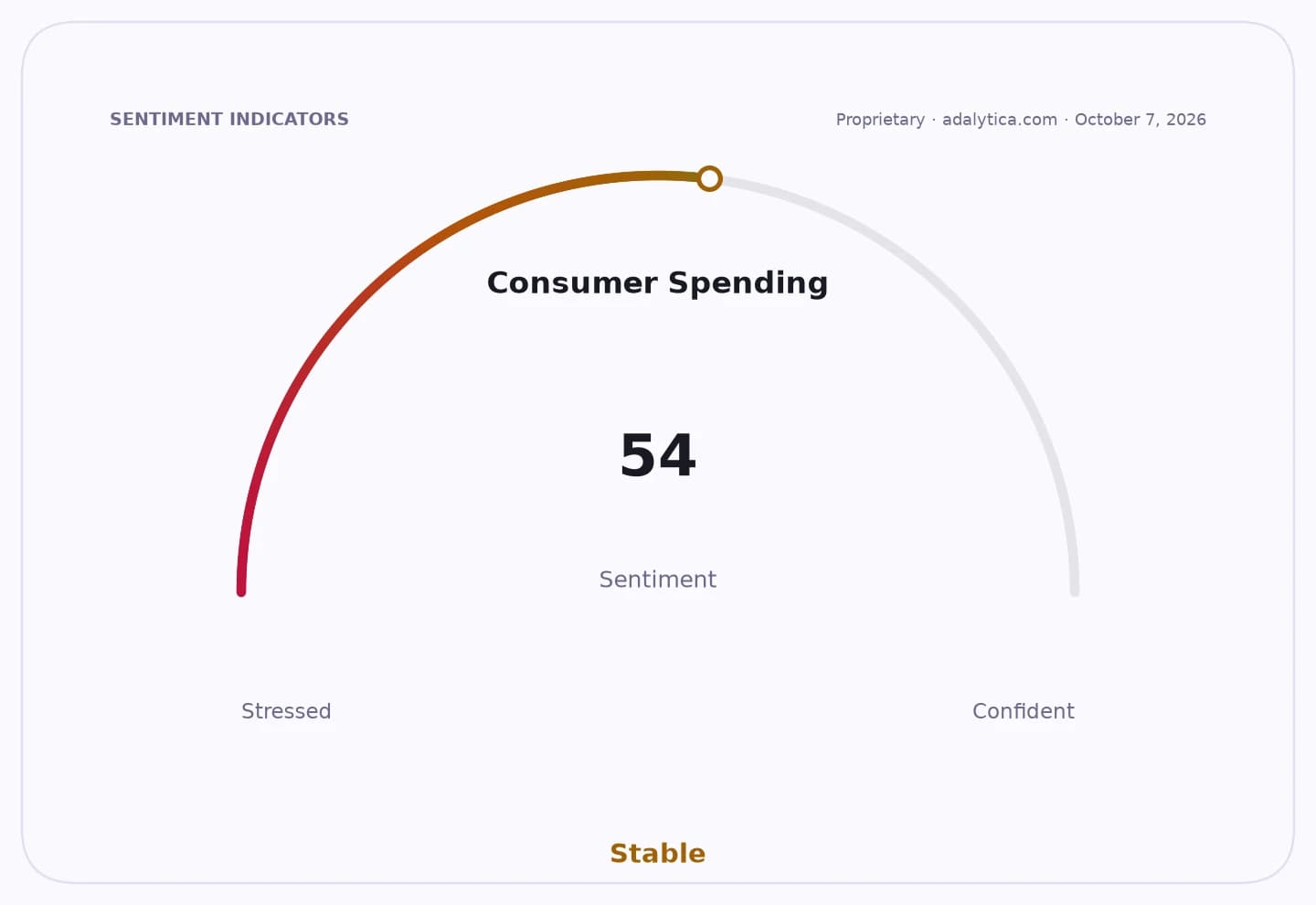
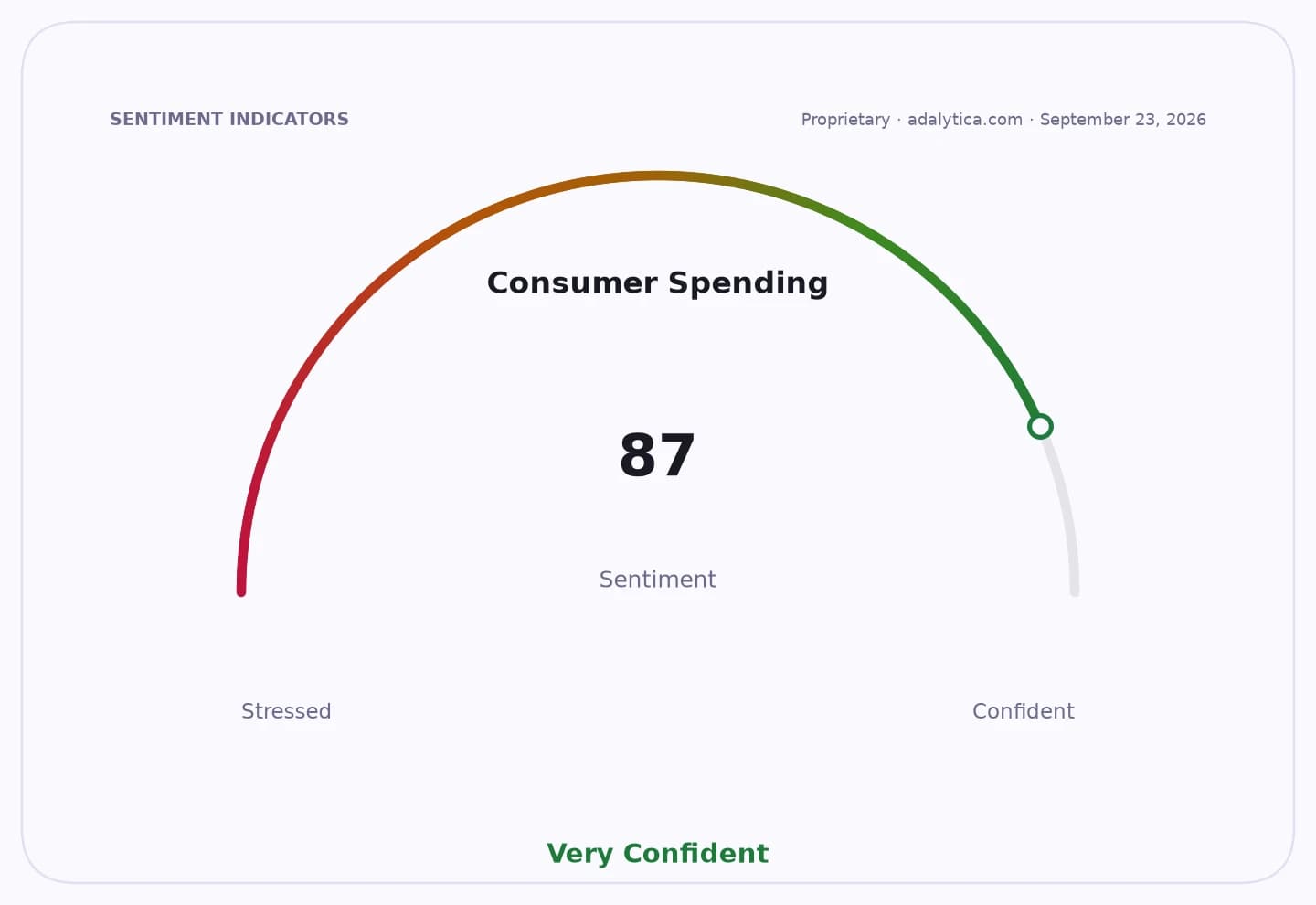
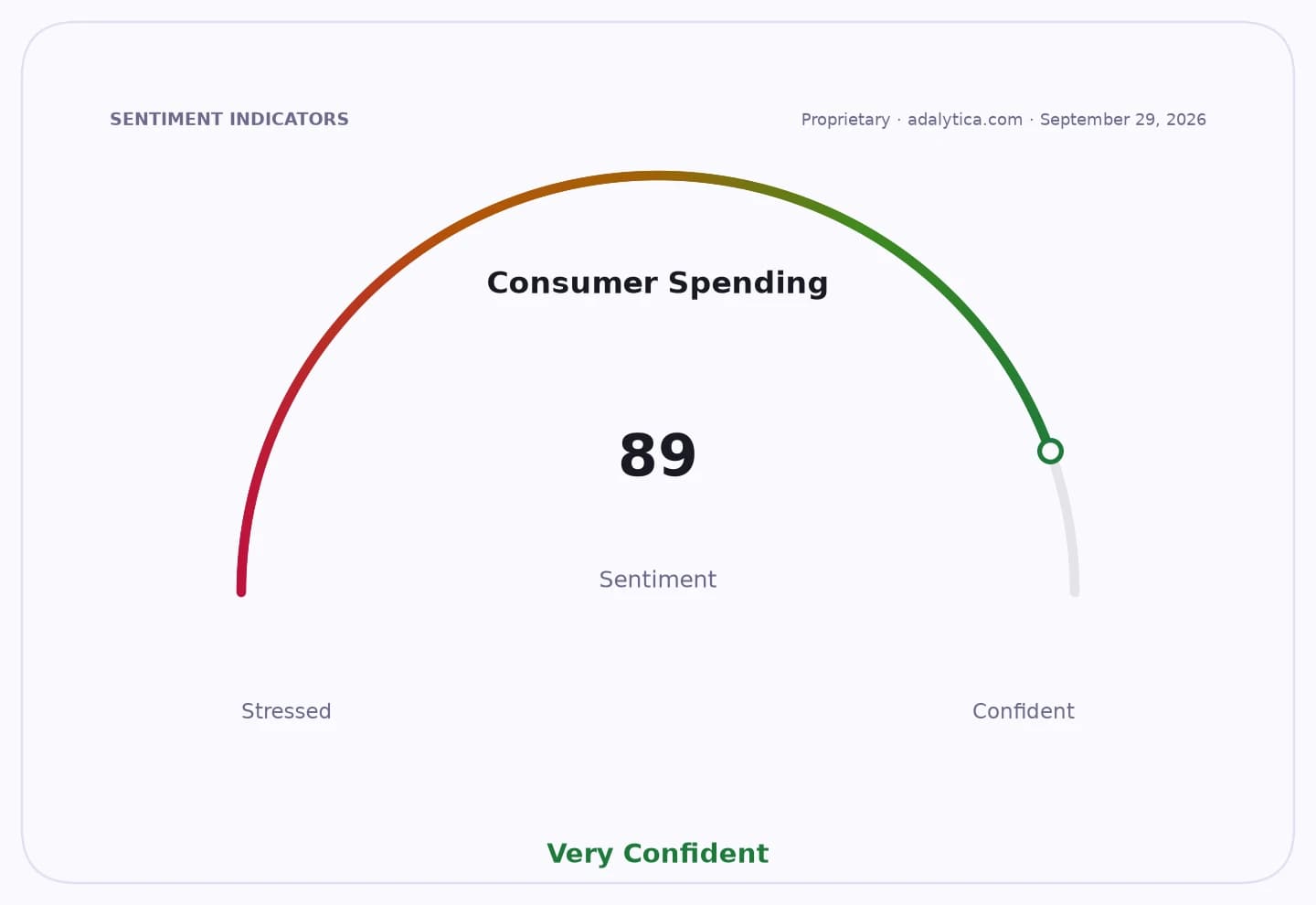
Sentiment IndicatorsⓘProprietary · adalytica.com · October 14, 2026
This is a snapshot — live sentiment, awareness and momentum for 130+ markets update continuously in the dashboard.Open AlphaPulse

Economically, the proposal matters because it shifts tax enforcement from thousands of individual merchants to a handful of platform operators that control access to much of Britain’s online retail traffic. That could improve collection efficiency, reduce leakage and narrow the cost advantage enjoyed by low-margin foreign sellers who can undercut domestic rivals if VAT is not fully captured. The Times said the change could raise about £700 million on its own, with broader reforms potentially lifting the fiscal gain to £1 billion.
For investors, the immediate issue is not the tax bill itself so much as the compliance burden and margin pressure it creates for marketplace operators. Amazon and eBay already flag evolving sales-tax regimes in their regulatory filings as a risk, and any rule that makes them the point of collection increases operating complexity, legal exposure and the chance that some sellers pass costs back through higher prices. Temu, which has built share quickly in ultra-cheap cross-border retail, faces a more direct challenge because the policy strikes at the low-price model that has helped it win UK shoppers.

The broader narrative is that governments are moving to tax online commerce more like physical retail, especially where low-value imports and overseas merchants have exploited gaps in customs and VAT rules. Britain already signalled in June that it will scrap its customs-duty exemption for low-value imports from October 2028, a separate step aimed at imported e-commerce goods and at Chinese fast-fashion and marketplace players such as Shein. Together, the measures point to a more interventionist stance that tries to protect domestic retailers without imposing large, visible tax hikes on households.
Market reaction is likely to be more nuanced than a simple sell-off. Large platforms have scale, systems and lobbying power, so they are better placed than smaller marketplaces to absorb new compliance demands. But the policy reinforces a structural headwind for cross-border discount retail and raises the odds that gross merchandise value growth slows if price gaps narrow. For Amazon and eBay, the question is whether the administrative load is manageable; for Temu and other import-heavy entrants, it is whether their value proposition survives once VAT is collected more consistently at the point of sale.
Investors will watch for the government’s formal announcement and the eventual design of the threshold, enforcement mechanics and liability rules. If Britain follows through, it would add another layer of tax friction to global e-commerce at a time when policymakers across Europe are tightening scrutiny of foreign sellers and low-value imports.
| Entity | Gains | Losses |
|---|---|---|
| UK Treasury | ▲Higher VAT receipts | ▼More enforcement complexity |
| High-street retailers | ▲Fairer tax competition | ▼None material |
| Amazon / eBay | ▲Clearer rules, lower leakage risk | ▼Compliance costs |
| Temu / cross-border sellers | ▲Larger market access if adapted | ▼Margin pressure, price advantage reduced |