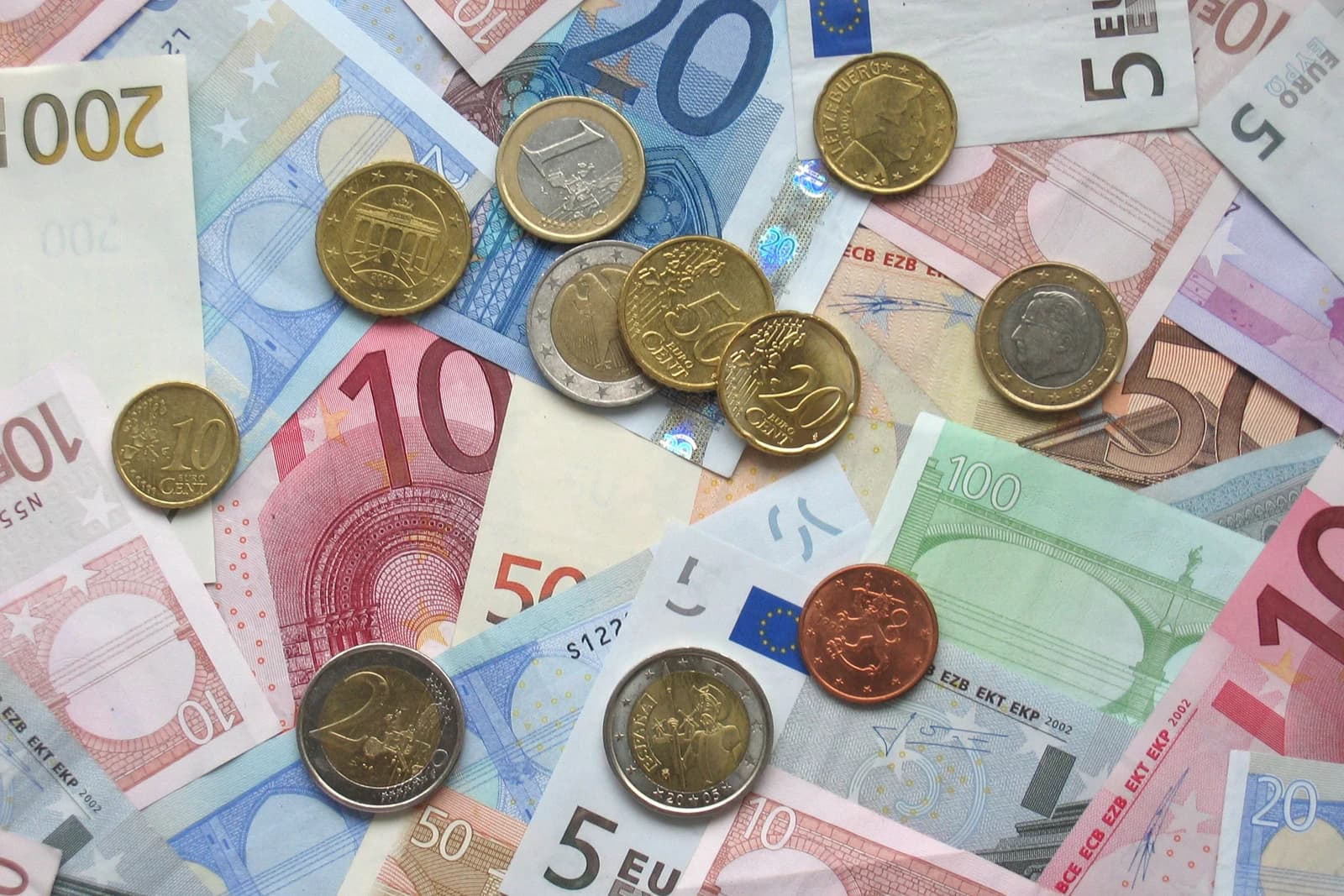
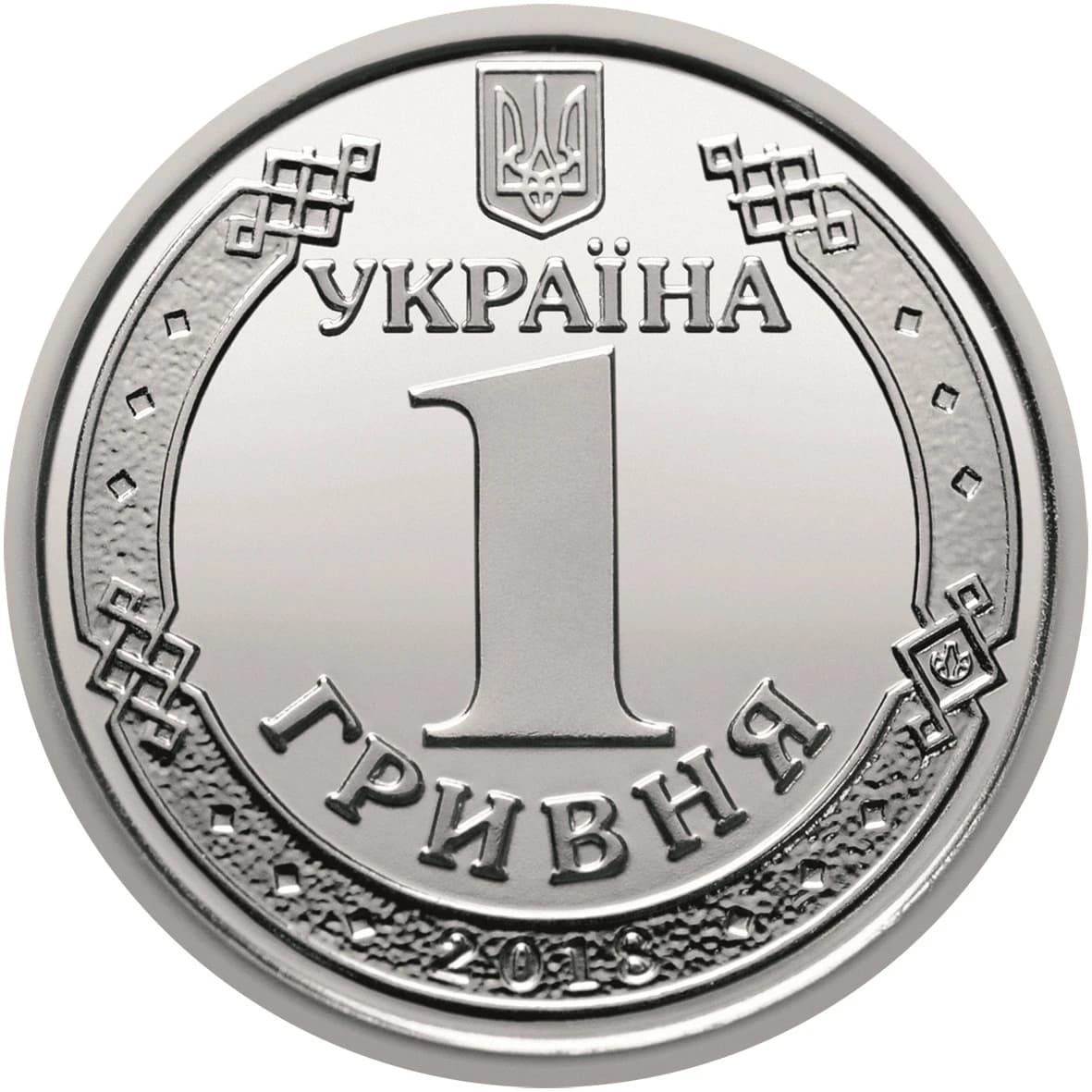
Ukraine’s central bank is changing the way the hryvnia is priced against the euro, introducing a new noon reference rate that should make euro-denominated deals easier to execute and more transparent for banks and clients.
Ukraine central bank adds noon euro reference rate

The National Bank of Ukraine said the new indicator will show the hryvnia-euro rate at 12:00 Kyiv time, calculated from the reference hryvnia-dollar rate at that time and the average of half-hourly BFIX dollar-euro quotes from 10:30 to 12:00. The benchmark was developed at market participants’ request and is meant to become a guide for bank-customer deals in euros, while also simplifying forward contracts and speeding settlements.
Sentiment Indicators
Economically, the move matters because it strengthens the plumbing of Ukraine’s foreign-exchange market at a time when currency volatility remains elevated globally and liquidity in smaller markets can be thin. A clearer and more widely accepted euro reference rate reduces pricing disputes, lowers operational friction and can improve confidence in hedging and trade settlement. For a market that still depends heavily on the credibility of official benchmarks, that is not a cosmetic change.
The NBU is also widening the amount of data it publishes on the transactions used to calculate official and reference rates for the hryvnia against the dollar. From February 2027 it will disclose the number and volume of trades, the minimum and maximum rates used, and whether the indicator was calculated under normal or special conditions. It will also start publishing more detail on trades used for UONIA, the overnight interbank rate. That puts Ukraine closer to IOSCO-style benchmark standards and should improve market discipline.
For investors and counterparties, the immediate implication is lower benchmark risk. More transparent reference points tend to benefit importers, exporters, banks and corporates that hedge euro exposure, because pricing becomes less dependent on bilateral discretion. It also supports the development of forward markets in euros, which can deepen liquidity and make hedging more practical for businesses with EU-linked revenues or costs.
The timing is notable. The euro has been trading with stronger underlying demand in recent sessions, with sentiment around the currency running hot while the dollar remains under pressure amid a softer U.S. rate backdrop. In that environment, any reform that makes local euro pricing cleaner is likely to matter more, not less, because counterparties are more likely to transact and hedge through the benchmark.
The first changes take effect on Nov. 4, 2026, with the more detailed daily disclosure coming later, on Feb. 1, 2027. For the NBU, the broader test is whether the new methodology becomes trusted enough to anchor real market activity. If it does, Ukraine’s FX market becomes more functional; if not, the reform remains a technical improvement with limited commercial reach.
| Entity | Gains | Losses |
|---|---|---|
| NBU | ▲stronger benchmark credibility | ▼less discretion in pricing |
| Banks and corporates | ▲clearer euro hedging | ▼higher disclosure burden |
| Importers/exporters | ▲easier euro settlement | ▼legacy pricing spreads |
| FX market makers | ▲better reference rates | ▼narrower arbitrage room |