Ukraine is signaling that Russia’s rear areas are facing a longer, more dangerous phase of the war, a warning that raises the economic cost of Moscow’s invasion and keeps pressure on Russian energy, logistics and air defenses.
Ukraine warns of deeper strikes on Russia
Kyrylo Budanov, head of Ukraine’s military intelligence, said Kyiv is ready to stop fighting at any moment if terms are acceptable, but not under what he called a Russian ultimatum. More importantly for markets, he warned that if the Kremlin does not end the war, Ukrainian strikes deep inside Russia will become “further and larger.”
That matters because deep-strike risk is no longer a battlefield footnote. It is a direct threat to the infrastructure that keeps Russia’s war machine and export economy functioning — fuel depots, transport hubs, airfields, refineries and military production sites. Every escalation in that campaign increases the cost of defense, raises the odds of supply disruptions and forces Moscow to spend more on air defense, repair crews and internal security.
For investors, the message is less about one more headline than about a persistent geopolitical premium that can reprice energy, shipping, aviation and defense assets. Russian domestic risk remains elevated, and international warning signals around Russian airspace add another layer of caution for carriers and insurers already wary of route disruption. In markets, conflict that can reach deeper into the back end of a belligerent economy tends to support crude and defense spending, while pressuring airlines, transport names and any business exposed to Black Sea or Russian transit risk.
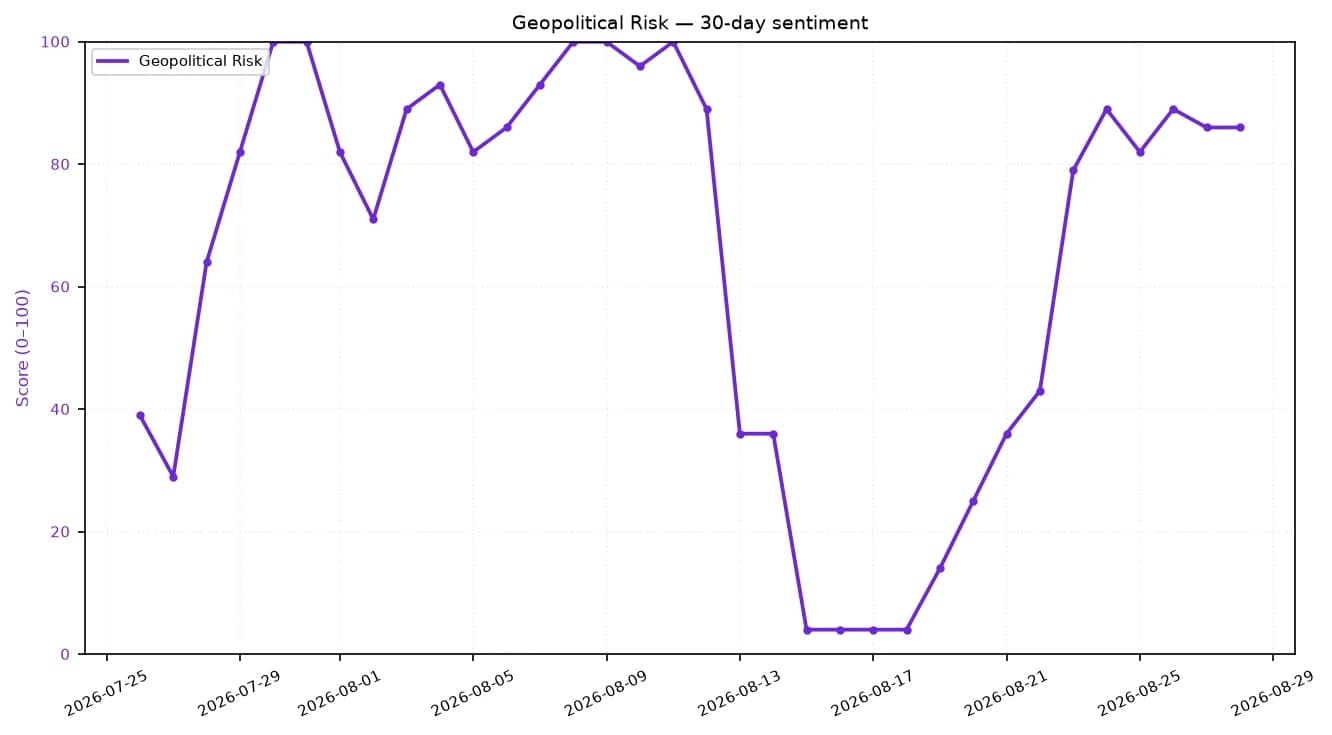
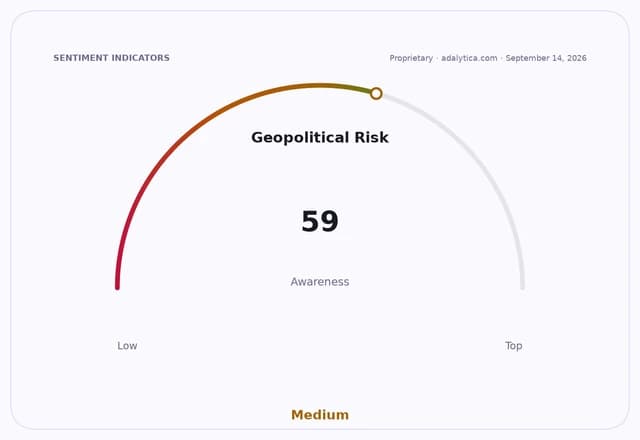
Geopolitical Risk — 30-day sentimentadalytica.com
Explore this data interactively — full history, time series and cross-market comparisons.Open AlphaPulse
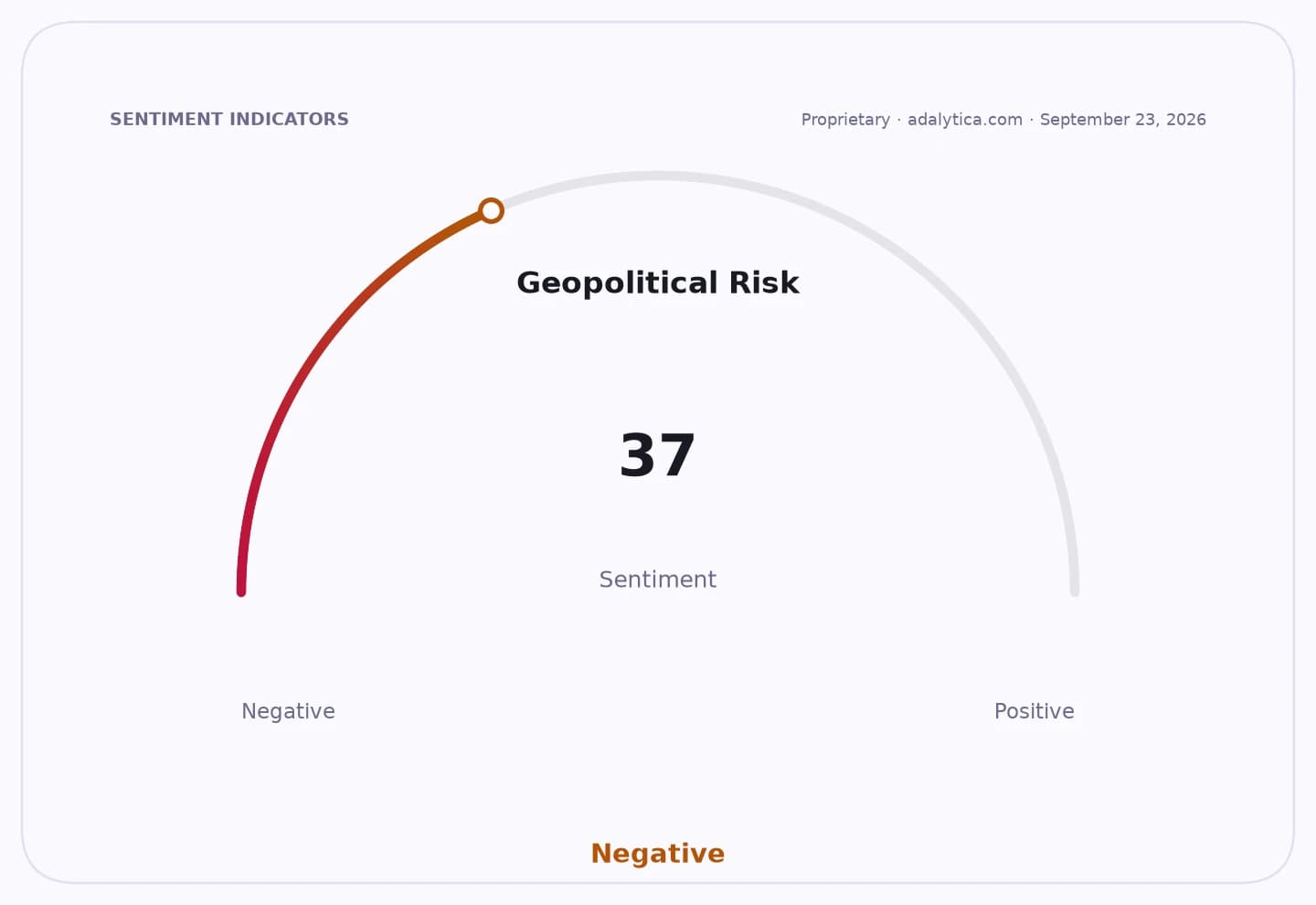
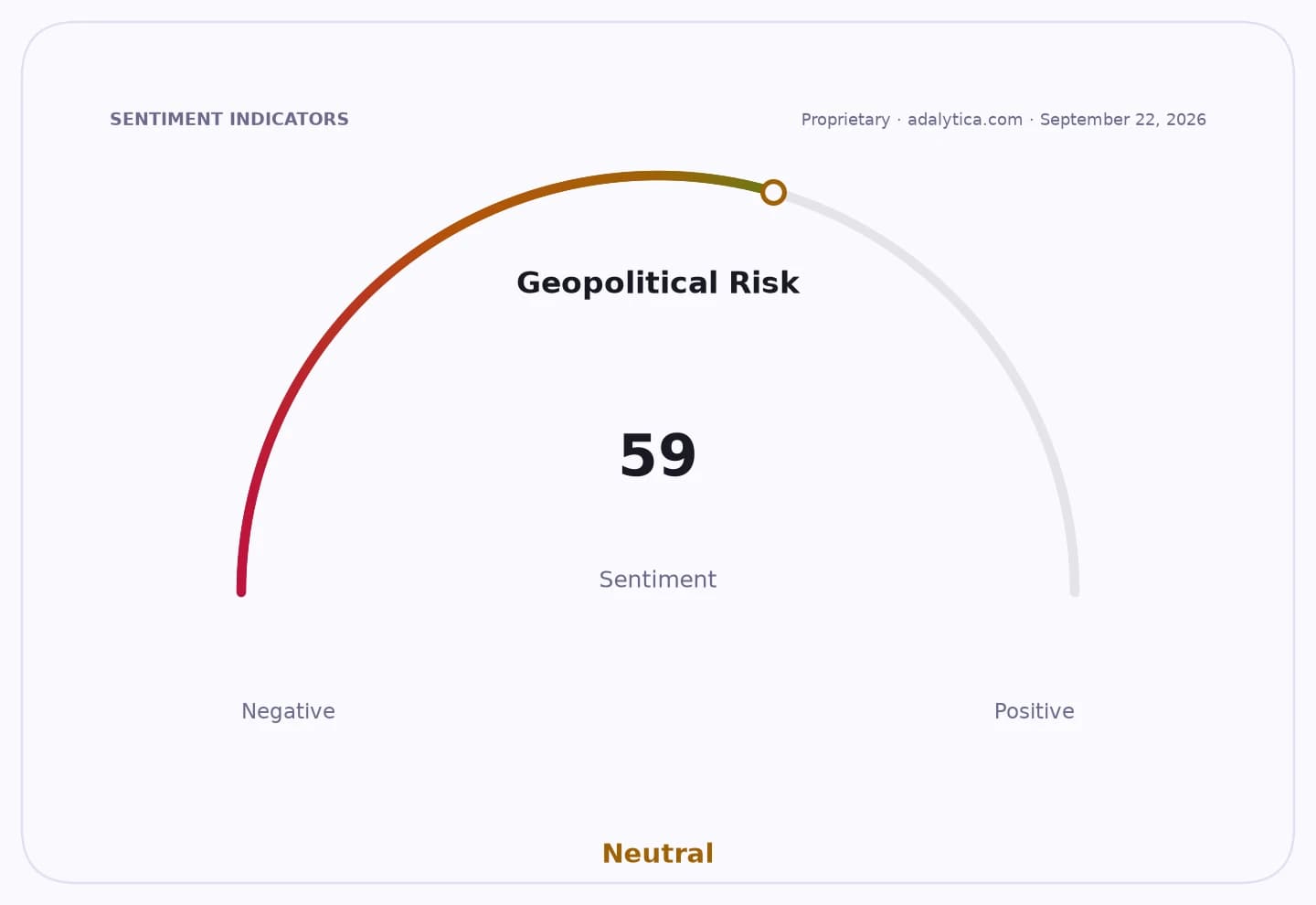
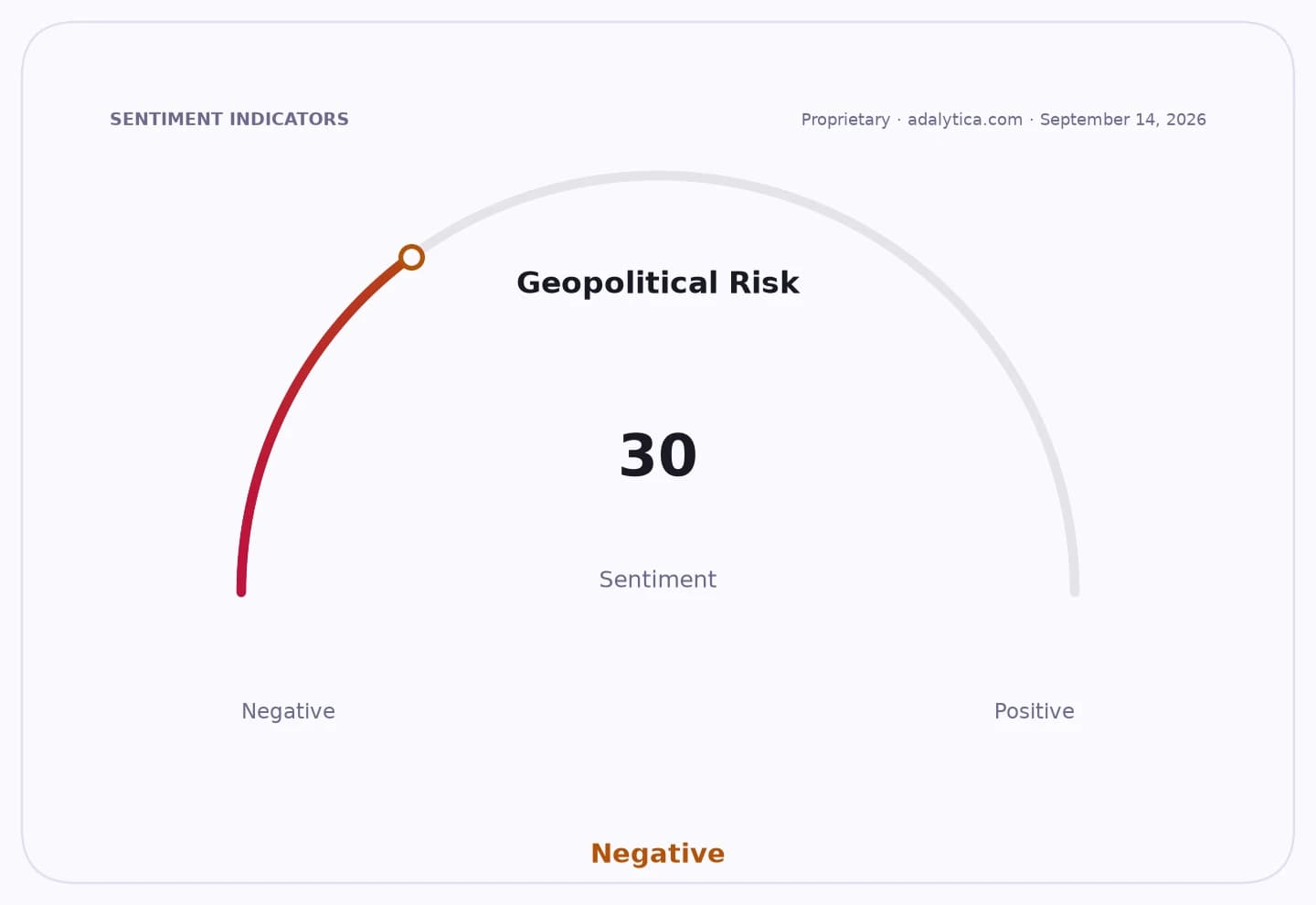
The broader setup is also important. Adalytica’s Global Stability Sentiment remains in fear territory at 30, reflecting how quickly geopolitical stress can return after brief calm. Gold has held up as a hedge even as its own sentiment gauge shows extreme fear, a sign that investors are not fully comfortable fading risk. That kind of backdrop is exactly when energy and defense become the cleaner trade: not because war is good for markets, but because prolonged conflict redirects capital toward resilience, rearmament and supply security.
The market underestimates how much a longer-range Ukrainian strike campaign can change Russia’s internal economics. The Kremlin can absorb battlefield pressure for a time; it cannot ignore repeated attacks on the logistical arteries that support the war. That is why every new warning from Kyiv should be read as an investment signal as well as a geopolitical one.
My takeaway: stay constructive on oil-linked assets, defense beneficiaries and hard-asset hedges, and remain cautious on transport and other sectors that depend on stable Eurasian air and trade routes. If this war enters a more distributed phase, the winners will be the companies selling protection, not the ones needing peace.
| Entity | Gains | Losses |
|---|---|---|
| Defense contractors | ▲Higher spending | ▼Slower urgency if war eases |
| Oil and fuel producers | ▲Geopolitical premium | ▼Price pullback on de-escalation |
| Airlines and insurers | ▲Route caution demand | ▼Higher risk and rerouting costs |
| Russia’s logistics network | ▲— | ▼Deep-strike disruption |