Ukraine’s latest mass drone attack on Russian refineries, oil depots and a defense-industry plant has shifted the war’s market risk back toward fuel supply, just as crude traders had been pricing a softer energy backdrop.
Ukraine refinery strikes revive diesel inflation risk
The economic signal is not simply that hundreds of drones reached deep into Russia or that air traffic was disrupted around Moscow and St. Petersburg. It is that Ukraine is again targeting the part of Russia’s energy system that turns crude into usable fuel. That matters more for inflation than headline oil alone: diesel powers freight, farming, mining and military logistics, and refinery outages can tighten product markets even when crude benchmarks look subdued.
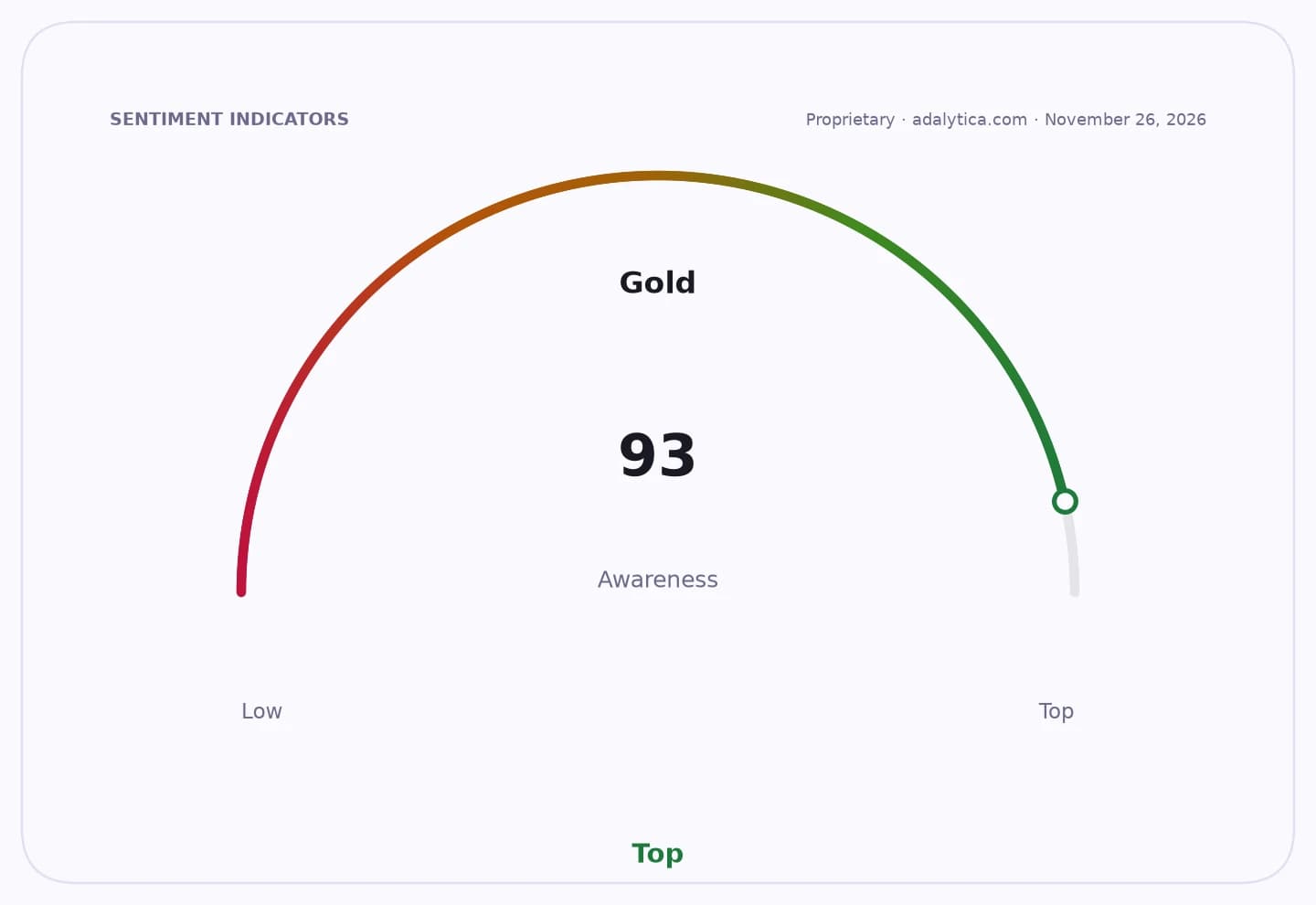
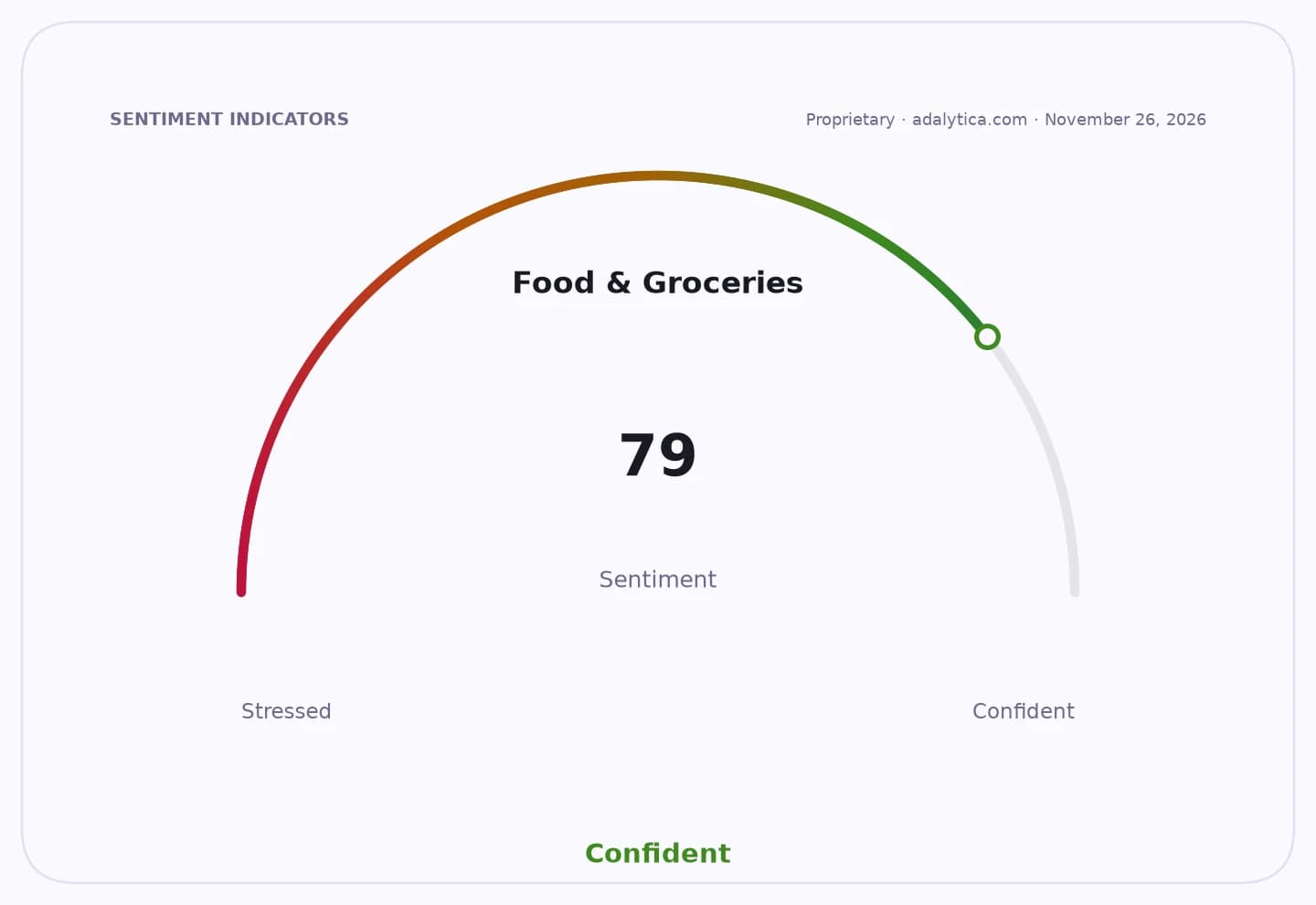
Sentiment Indicators
Moscow’s response shows the pressure is already being felt. Russia has imposed a diesel export ban and allowed refineries to produce lower-quality fuel through the end of 2026 to manage shortages caused by repeated strikes. Gasoline queues and a shift by some drivers toward LPG underline that this is no longer only a sanctions or export-revenue story. It is becoming a domestic fuel-availability problem for one of the world’s largest energy producers.
For macro investors, the key cross-asset implication is a widening gap between crude and refined products. Brent futures closed at $76.00 and WTI at $71.51 on July 10, both below their 50-day and 200-day moving averages, a conventional technical setup that suggests the broader crude market has been discounting weak demand or ample supply. Heating oil, a market proxy for diesel, closed at $3.53 a gallon, still about 18% above its 200-day moving average, with RSI readings far stronger than crude. The market is saying the stress point is refining capacity, not barrels in the ground.
That distinction matters for rates. A diesel-led shock is a tax on the real economy but also a direct input into goods inflation. It can complicate central-bank easing trades by pushing up transport and food costs while reducing disposable income elsewhere. In portfolio terms, that argues against treating lower crude prices as a clean disinflation signal. If Russian product exports are constrained for longer, the inflation impulse may appear in freight, agriculture and European industrial margins before it shows up in benchmark oil.
The foreign-exchange channel is also asymmetrical. Energy-importing economies in Europe are more exposed to a refined-product squeeze than the U.S., even if the dollar has not yet behaved like a classic haven. Proprietary indicators from Adalytica.com show U.S. dollar sentiment has fallen sharply over the past month, while euro sentiment has also retreated from recent highs. That leaves FX positioning vulnerable to a repricing if the strikes translate into higher European fuel costs or renewed geopolitical hedging.
Equity allocation faces a similar split. Integrated oil majors may benefit less than refiners and fuel distributors if crude remains rangebound while product cracks widen. Airlines, logistics firms, chemicals producers and European manufacturers face the opposite risk: weaker demand and higher input costs at the same time. Defense stocks retain structural support from a conflict that is increasingly defined by drones, air defense and attacks on industrial infrastructure.
The attack also carries a geopolitical premium that crude markets may be underestimating. Disrupting air traffic in Russia’s two largest cities signals reach and persistence, not just tactical damage. Targeting refineries, depots and a defense plant ties together three pressure points: domestic mobility, export earnings and military supply chains. That raises the probability that Moscow diverts more fuel inward, restricts exports for longer and spends more to harden infrastructure.
The forward-looking trade is therefore less about chasing headline oil and more about hedging a product-driven inflation shock. If Ukrainian strikes continue to degrade Russian refining while crude remains technically weak, investors should expect relative value to matter: distillates over crude, energy infrastructure over energy consumers, inflation hedges over duration-heavy assets, and selective dollar or safe-haven exposure if Europe’s fuel vulnerability moves back into focus.
| Entity | Gains | Losses |
|---|---|---|
| Diesel and heating-oil longs | ▲Product scarcity premium | ▼Crude-only bearish trades |
| European fuel importers | ▲Limited pricing power | ▼Higher transport costs |
| Russian refiners and exporters | ▲Domestic policy support | ▼Lost export revenue |
| Defense and drone suppliers | ▲Sustained demand | ▼Civil aviation exposure |