Russia’s renewed strikes on Kyiv, which left at least two dead and seven injured, are a reminder that diplomacy around Ukraine still has to price in war risk, not peace dividends.
Ukraine Strikes Keep Europe War Risk in Focus

That matters economically because every fresh escalation raises the odds of prolonged military spending, tighter energy markets and more pressure on European growth at the margin. It also tests the fragile market assumption that ceasefire efforts — including the latest U.S.-linked mediation push — can quickly cool one of the biggest geopolitical shocks hanging over global assets.
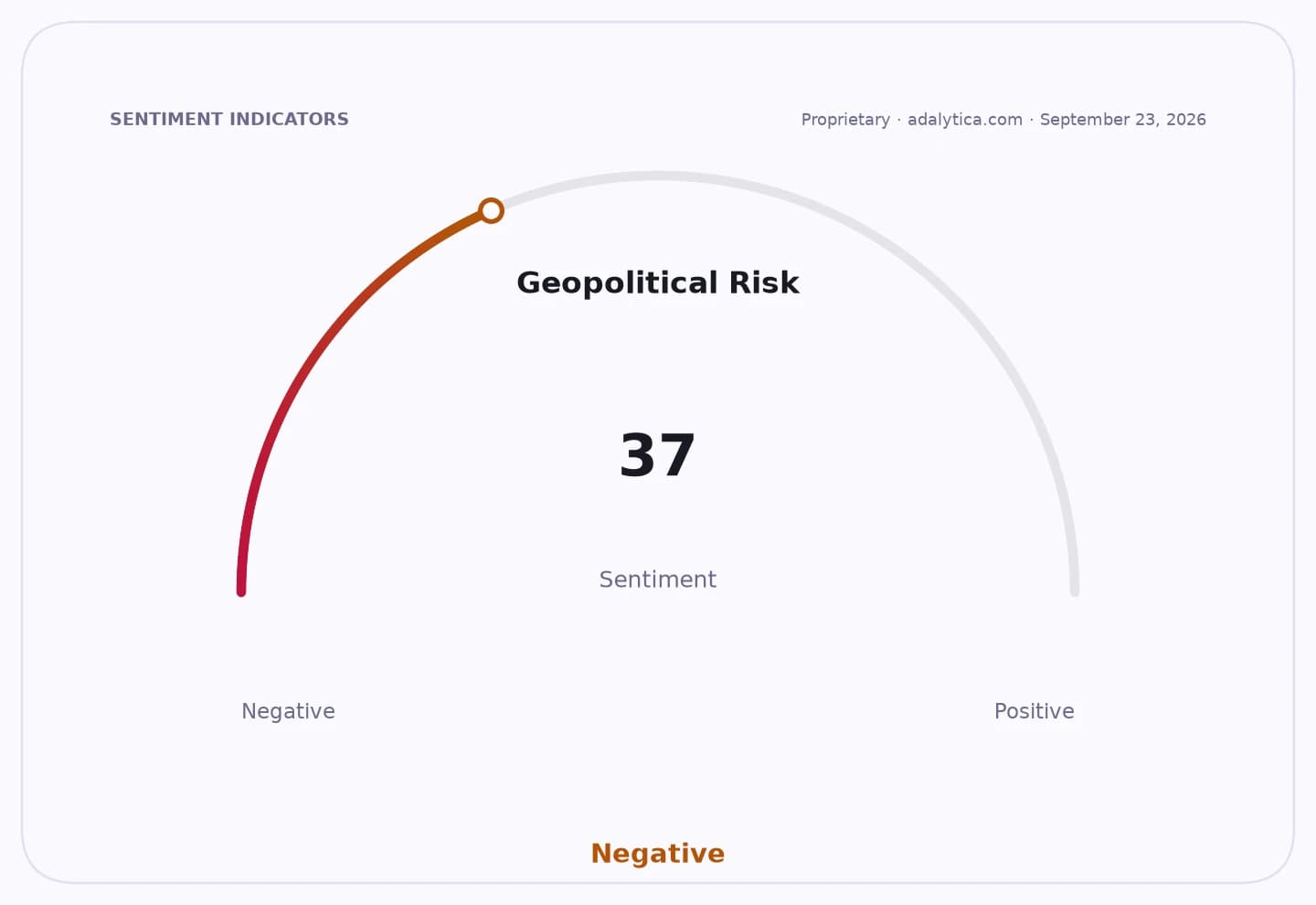
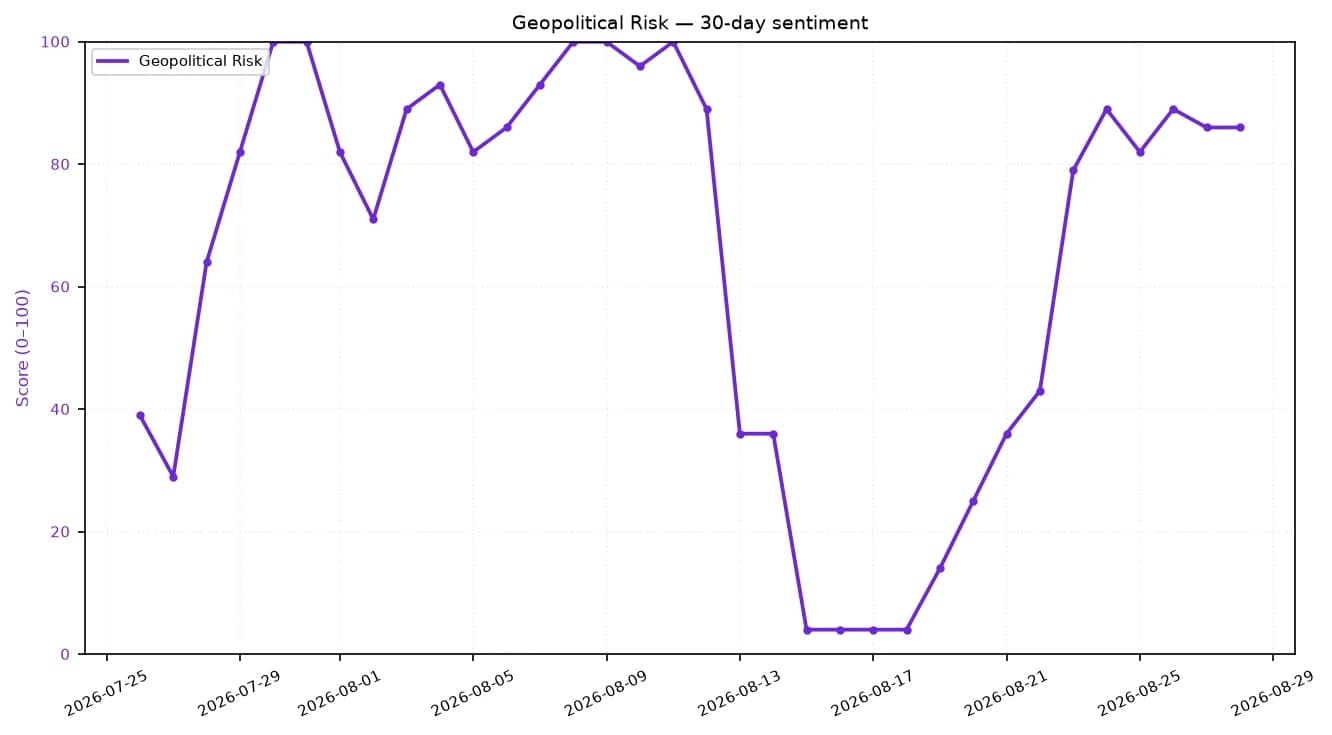
Sentiment IndicatorsⓘProprietary · adalytica.com · September 8, 2026
This is a snapshot — live sentiment, awareness and momentum for 130+ markets update continuously in the dashboard.Open AlphaPulse

The immediate human toll is severe, but the market impact is broader. Ukraine has floated a four-day ceasefire even as Russian missile and drone attacks continue, underscoring how little trust exists between the sides. For investors, that means the war remains a live catalyst for defense procurement, air-defense systems, drones, cybersecurity and energy infrastructure — all areas where capital spending can stay elevated long after headlines fade.
Europe’s equity market has been resilient, but it is still trading with a war premium in sectors tied to industrial output, power costs and cross-border trade. The iShares Europe ETF, IEUR, has pushed above its 200-day moving average and remains well above that long-term trend, showing investors are not pricing a collapse in European risk appetite even as geopolitical volatility stays high. But the move has also come with shorter-term technical pressure, with the 50-day average close by and RSI readings cooling from overbought levels, suggesting the market is digesting headlines rather than embracing a clean peace narrative.

That is the opportunity many investors still miss: the endgame is not simply “war or peace,” but which industries get sustained demand while the conflict drags on unevenly. Defense contractors, missile-defense suppliers, satellite and surveillance firms, LNG-linked energy names and European infrastructure operators remain the clearest beneficiaries of a world in which Ukraine stays a strategic fault line. Conversely, transport, cyclicals and energy importers are most exposed if attacks continue to disrupt trade routes, power supply and confidence.
The market’s next move will hinge less on one strike than on whether the ceasefire talks gain credibility. If they fail, the case for owning defense and resilience assets strengthens. If they succeed, the winners shift toward rebuilding, industrial recovery and selective Europe exposure. Either way, the lesson is the same: Ukraine is still a capital-allocation story, and investors should position for volatility, not assume it has passed.
| Entity | Gains | Losses |
|---|---|---|
| Defense contractors | ▲Higher orders | ▼Peace discount |
| Europe resilience plays | ▲Demand for protection | ▼Complacency premium |
| Energy importers | ▲Lower wartime costs if calm returns | ▼Supply shocks |
| Russia/Ukraine peace hopes | ▲Diplomatic upside | ▼Fresh strike escalation |