Ukraine is changing how it measures veteran employment, putting retention — not just job placement — at the center of a new state program aimed at keeping former service members in the workforce.
Ukraine veteran job program shifts to retention
Deputy Veterans Minister Yuliia Kirillova said the government has approved the “Veteran.Job” target program for 2026, which is designed to guide veterans from demobilization through skills assessment, retraining, job matching and workplace adaptation. The shift matters economically because Ukraine is trying to prevent a large cohort of ex-service members from cycling through short-term jobs and drifting back out of work, a risk that would deepen labor shortages and strain public spending.
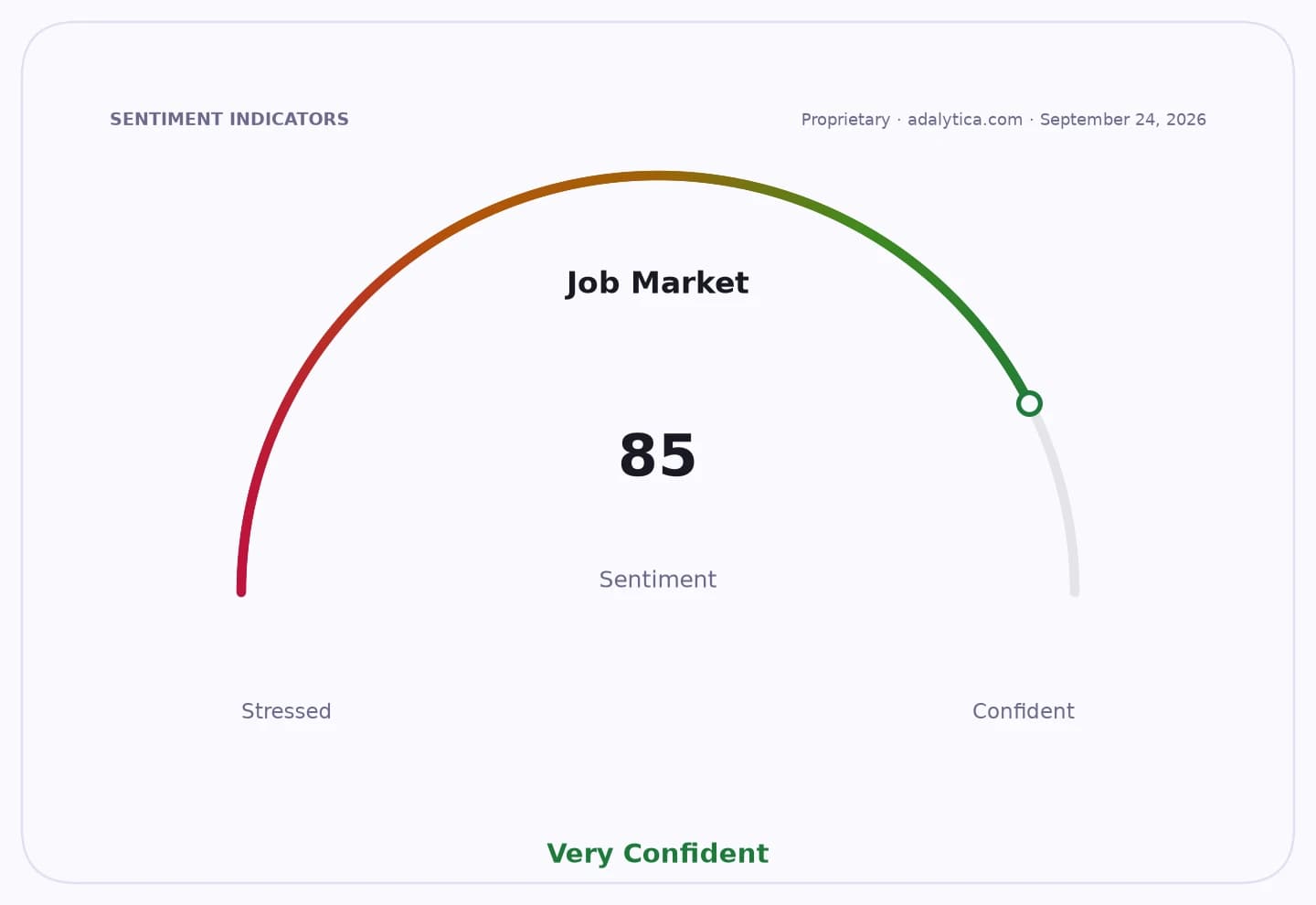
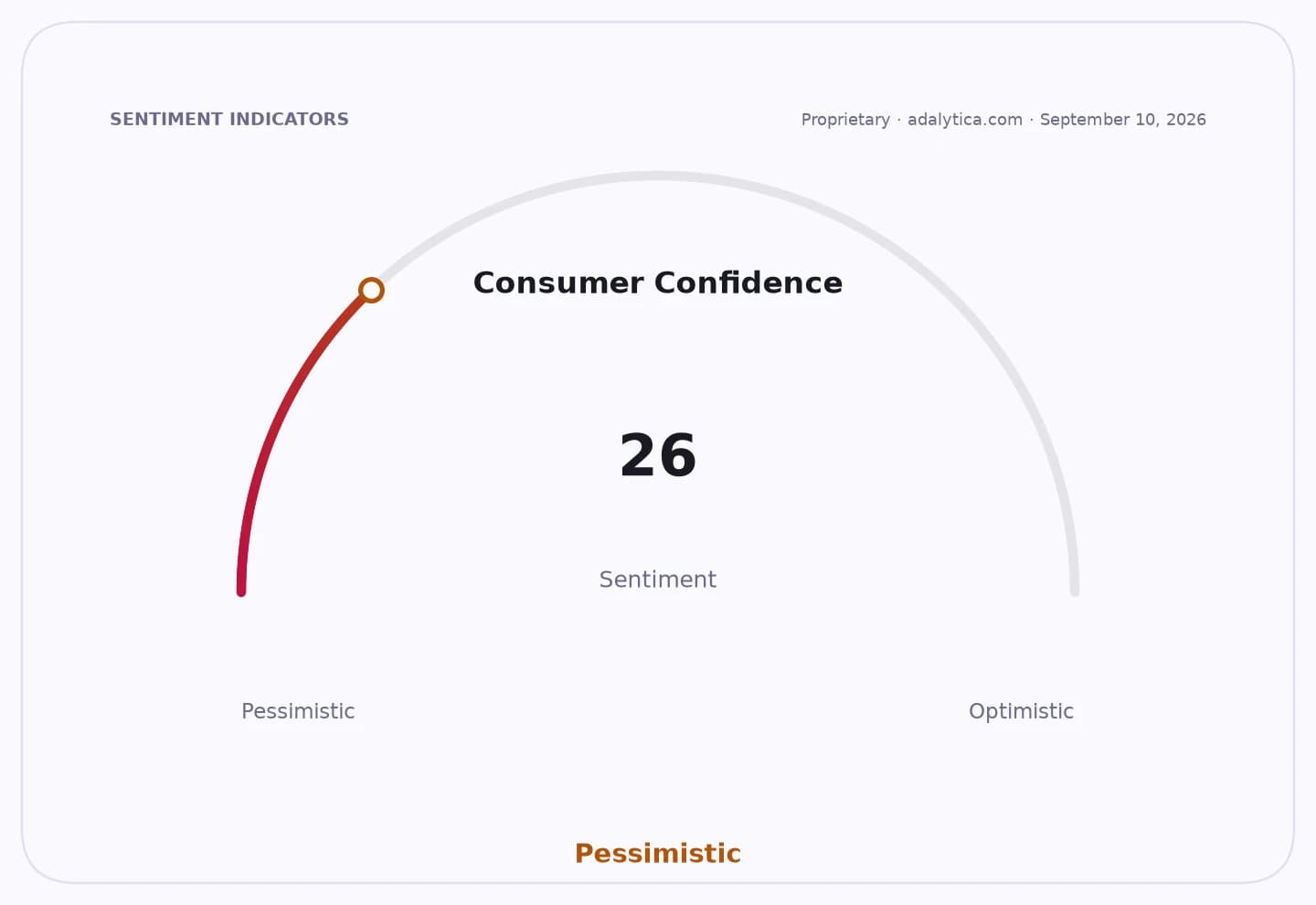
Sentiment IndicatorsⓘProprietary · adalytica.com · September 7, 2026
This is a snapshot — live sentiment, awareness and momentum for 130+ markets update continuously in the dashboard.Open AlphaPulse
“Veteran.Job” is built around individual support rather than a one-time placement target. Each veteran is assigned a specialist and career adviser who stays involved after hiring, while workers who need new qualifications can be sent for retraining or certification. Kirillova said the ministry’s goal is no longer to count how many veterans are hired, but how many remain employed after placement.
That approach reflects a broader labor market problem: in a post-war economy, employers often need people with specific civilian credentials, while veterans may need help translating military experience into marketable skills. The program is meant to lower that friction for both sides by matching candidates to vacancies, helping adapt workstations and reducing the risk that employers see veterans as too costly or difficult to onboard.
The ministry says the “Veteran Career” platform, launched last year, already lists more than 150,000 vacancies from nearly 1,500 employers, while just over 3,000 veterans have registered as job seekers. The platform uses matching tools to pair openings with a candidate’s skills and experience, and veterans can find a support specialist through Ukraine’s Diia app.
For investors and businesses, the significance is less about the platform itself than about Ukraine’s effort to build a more durable labor supply after the war. A successful reintegration system could help ease skill mismatches, support consumer demand and reduce the risk of long-term dependency among veterans, while giving employers access to a broader pool of workers.
The next test will be whether the program can convert a large vacancy list into stable employment outcomes and whether the government can scale retraining and workplace adaptation fast enough to matter across communities.
| Entity | Gains | Losses |
|---|---|---|
| Ukrainian veterans | ▲Better job matching, retraining, support | ▼Risk of unstable employment |
| Employers | ▲Larger labor pool, placement support | ▼Higher onboarding/adaptation effort |
| Ukrainian state | ▲Lower labor friction, stronger retention | ▼Budget pressure to scale program |
| Job seekers without support | ▲Less policy attention | ▼Competing for attention and resources |