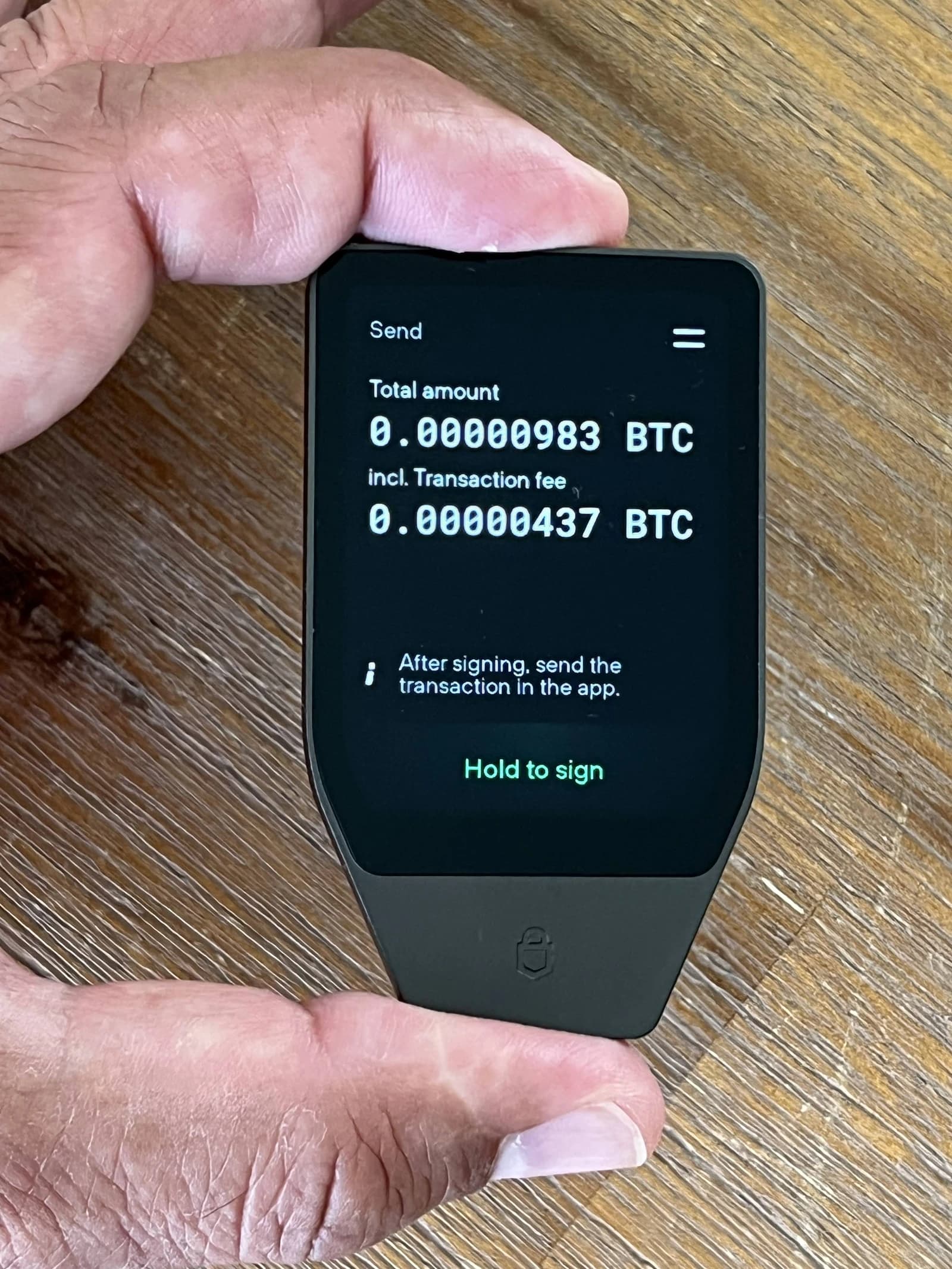
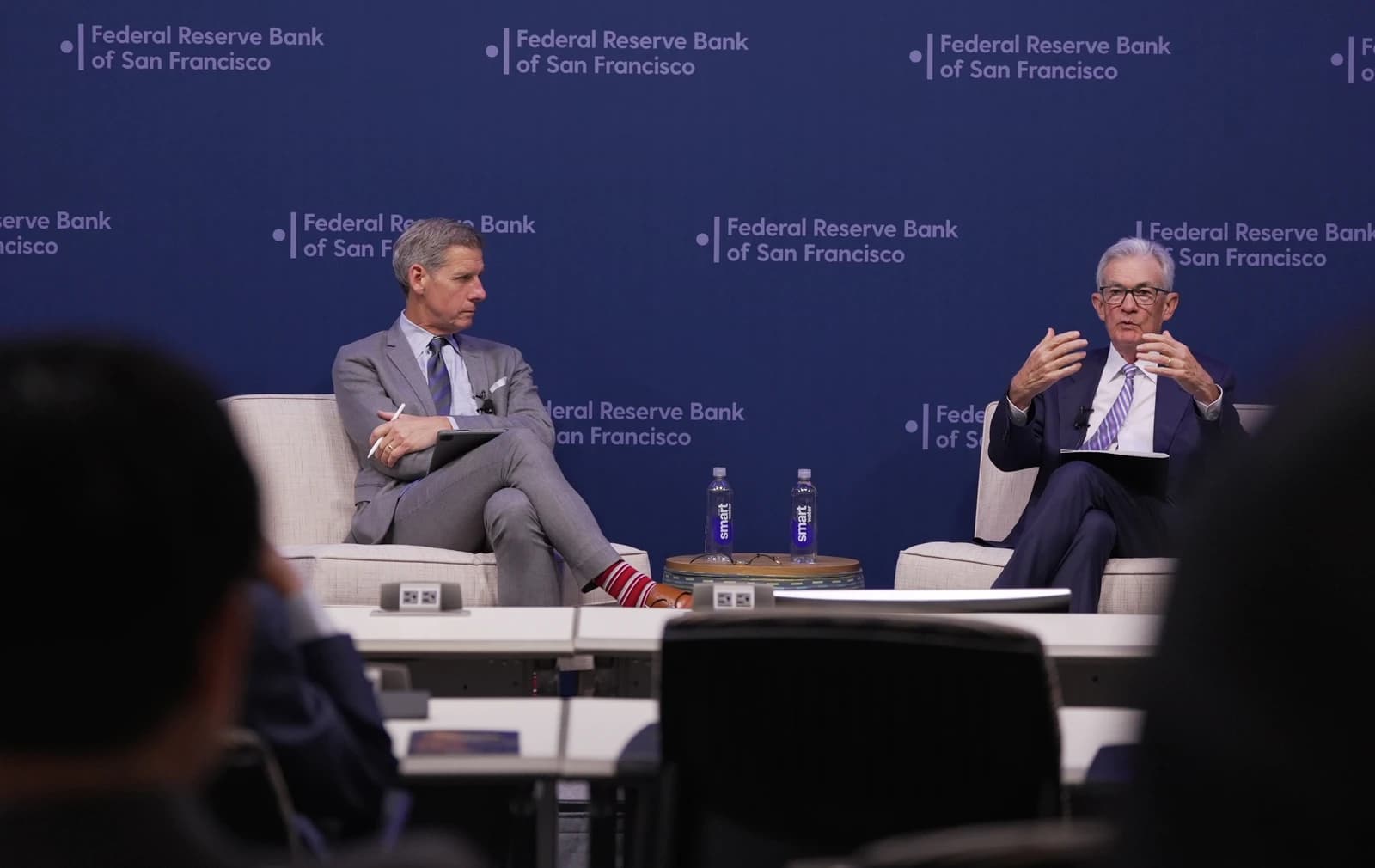
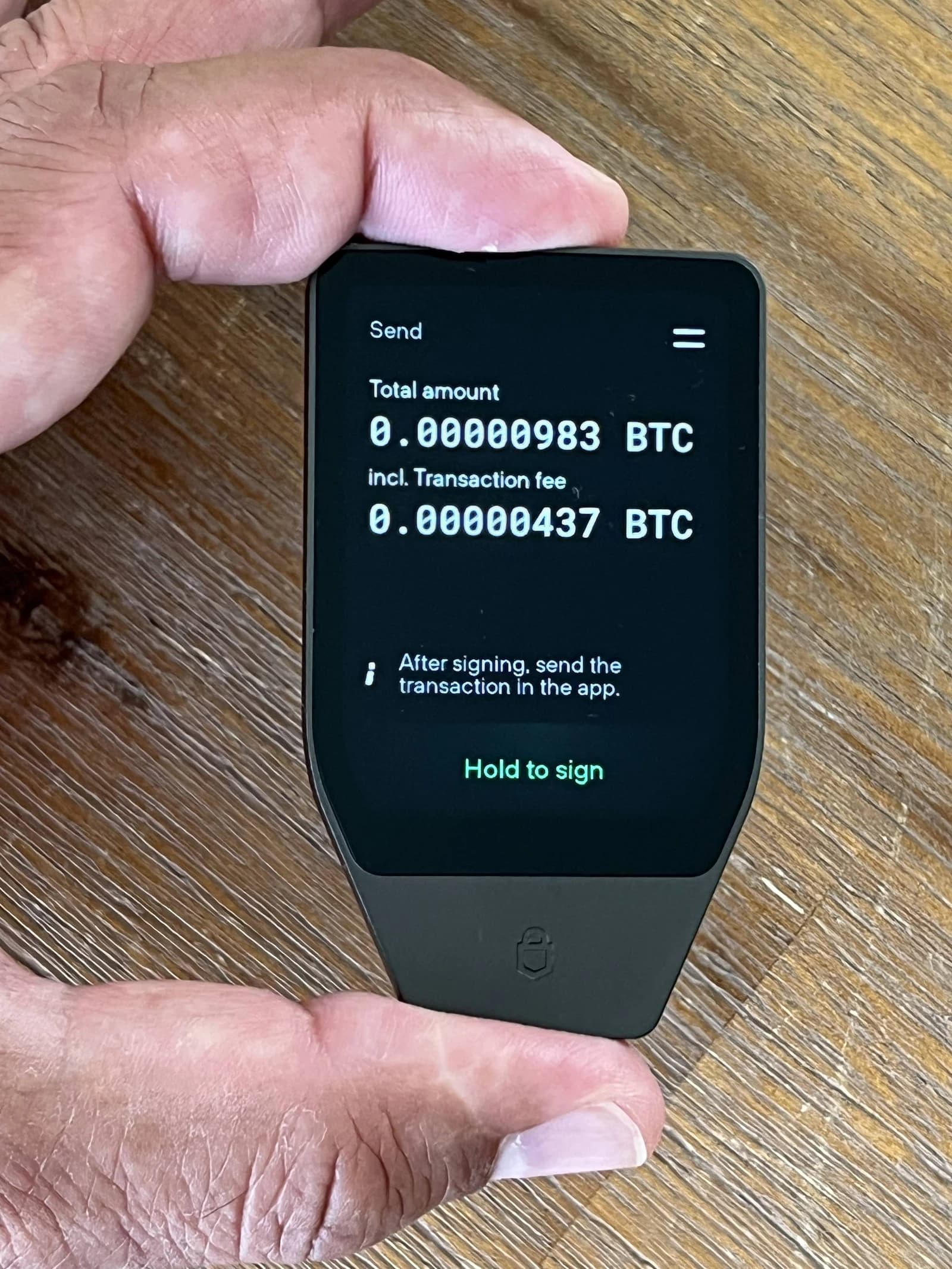
The U.S. is poised to block the Federal Reserve from issuing a central bank digital currency until 2030, a politically significant step that would narrow Washington’s room to build a state-backed digital dollar even as crypto markets push deeper into the financial system.
U.S. CBDC Ban Through 2030 Benefits Crypto

The bill’s passage through Congress matters because it does more than delay a policy experiment: it effectively freezes one of the biggest unanswered questions in payments and monetary infrastructure. A CBDC would have given the Fed a direct digital liability on its balance sheet and a possible new payments rail; a ban keeps that path shut for five years and leaves private-sector stablecoins, bank deposits and card networks to carry the burden of digital payments innovation.
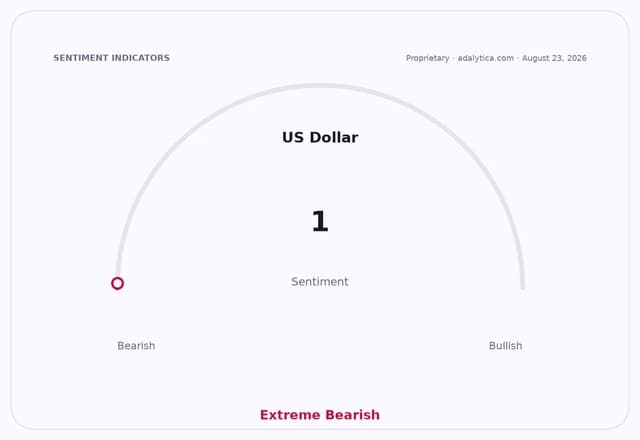
Sentiment IndicatorsⓘProprietary · adalytica.com · August 23, 2026
This is a snapshot — live sentiment, awareness and momentum for 130+ markets update continuously in the dashboard.Open AlphaPulse

For investors, the immediate implication is a clearer regulatory path for crypto-native and payments firms that have argued a state-issued digital dollar could crowd them out. Crypto platforms such as Coinbase and trading venues tied to digital assets have long framed CBDCs as a competitive and privacy risk, while firms exposed to payments modernization, including PayPal, have more to gain from a market that remains anchored in commercial-bank money and private stablecoin rails. Bitcoin also tends to benefit when governments reject sovereign digital money, although the broader crypto market still depends more on liquidity, risk appetite and rates than on one piece of legislation.
The macro backdrop helps explain why the fight is so politically charged. The Fed funds rate is sitting around 3.625%, with the 10-year Treasury yield near 4.7%, while U.S. M2 money supply is still expanding. That combination argues for a system that remains heavily dependent on private credit creation and bank deposits rather than a radical redesign of the monetary base. A CBDC could eventually have altered the transmission of policy, deposit competition and crisis management; banning it keeps those structural questions hypothetical for now.
The decision also lands at a time when Washington is already trying to draw brighter lines around digital money. Congress and the White House have been leaning toward a framework that tolerates stablecoins under supervision rather than creating a government-issued alternative. That makes the likely winners the existing payments and crypto infrastructure companies that can adapt to tighter rules, and the losers the policymakers and public-interest advocates who wanted the Fed to have a more direct digital counterpart to cash.
Still, the ban is not the end of the debate. The Fed, Treasury and Congress will keep confronting the same issues around financial inclusion, payment efficiency, sanctions enforcement and the role of dollar-backed private tokens in cross-border commerce. If stablecoins continue to scale while the dollar remains in demand globally, the pressure for a different kind of public digital money could return well before 2030.
| Entity | Gains | Losses |
|---|---|---|
| Crypto platforms | ▲Clearer runway | ▼CBDC competition risk |
| PayPal and payment firms | ▲Private-rail adoption | ▼State digital-dollar threat |
| Federal Reserve | ▲Policy flexibility | ▼Direct digital-currency launch |
| CBDC advocates | ▲— | ▼Five-year delay |