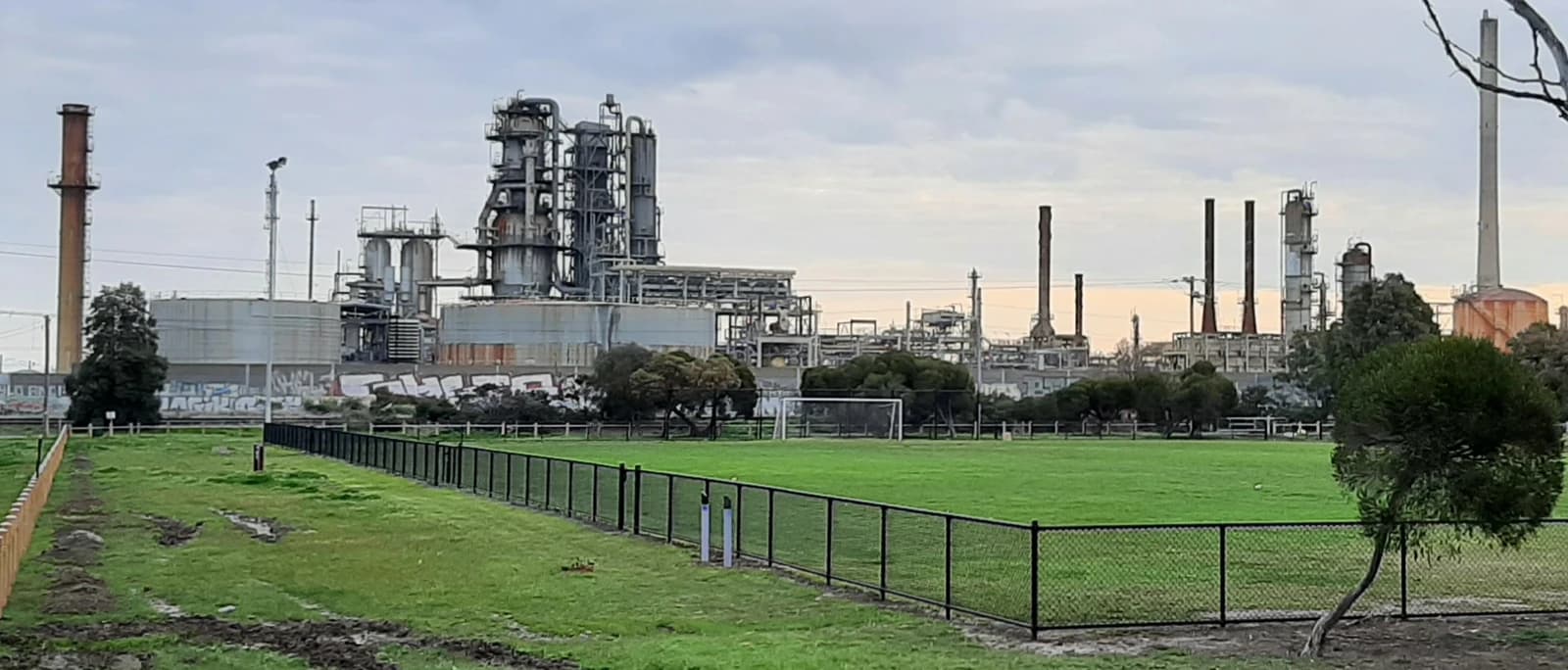
US diesel prices are brushing record highs, and that matters far beyond the fuel pump: the jump is feeding inflation worries just as supply is tightening, while giving refiners a powerful earnings tailwind.
US diesel prices near record highs lift refiners

Diesel is the lifeblood of the economy. It moves goods, powers farm equipment, helps generate electricity and heats homes, so when prices spike, the cost shows up quickly in transport, agriculture and the broader consumer basket. That is why a diesel surge can be more inflationary than a move in gasoline alone — it hits the backbone of commerce.
Sentiment IndicatorsⓘProprietary · adalytica.com · September 4, 2026
This is a snapshot — live sentiment, awareness and momentum for 130+ markets update continuously in the dashboard.Open AlphaPulse
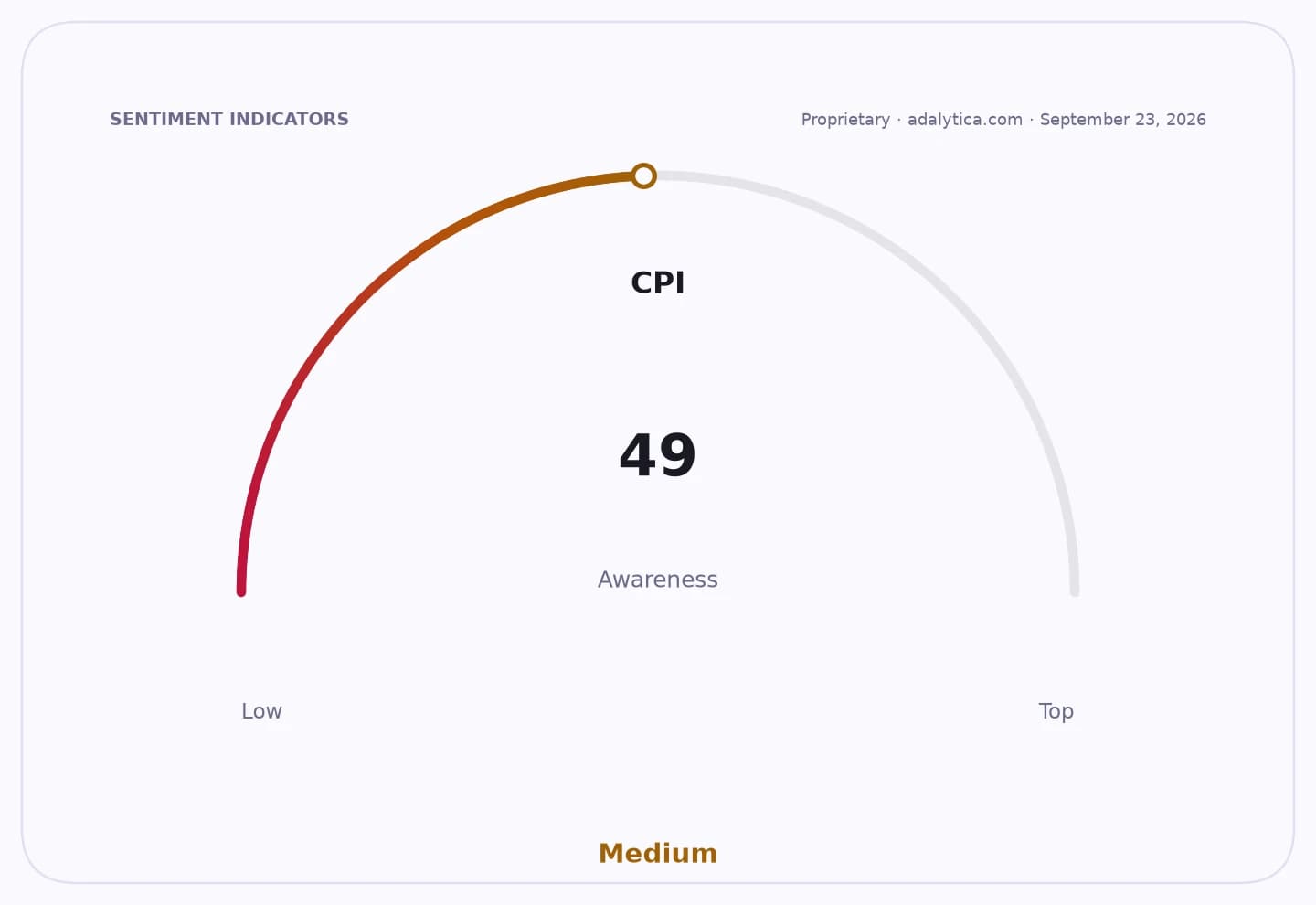
The latest move has been driven by falling stockpiles, according to media reports, a classic setup for tighter physical markets and higher prices. Bloomberg-style market data in the context shows US crude benchmark activity staying elevated as well, with fuel-linked funds and energy equities tracking the strength. The CPI snapshot from Adalytica points to mounting anxiety around inflation, with sentiment reading “Extreme Fear,” even as awareness remains neutral.
For investors, the split screen is important. Higher diesel prices can keep pressure on airlines, trucking, retailers and industrial users by lifting operating costs at exactly the moment consumers are already sensitive to inflation. But the same move improves margins for refiners, especially those with strong distillate exposure. The context says US diesel refining margins have moved above $100 a barrel, a level that helps explain why Marathon Petroleum and Valero have more than doubled this year.
That divergence is the real investment story. Energy stocks can benefit when fuel shortages tighten pricing power, while transportation and manufacturing names may face a margin squeeze if they cannot pass through higher costs. XLE, the energy sector ETF, has also outperformed industrials in the context, reflecting that favorable setup for oil and refining shares.
Still, investors should think in terms of cycles, not headlines. Diesel spikes can ease if inventories rebuild or demand softens, but the long-term takeaway is that fuel inflation remains a live risk when supply is tight and crude stays expensive. For diversified investors, this is a reminder that energy can hedge inflation, while fuel-intensive sectors need to be watched for earnings pressure. Worth watching, and worth keeping in a long-term portfolio framework.
| Entity | Gains | Losses |
|---|---|---|
| Refiners | ▲Wider diesel margins | ▼None from higher diesel prices |
| Marathon Petroleum, Valero | ▲Higher earnings power | ▼More volatility if spreads normalize |
| Trucking, transport, agriculture | ▲Pass-through ability, if any | ▼Higher fuel and operating costs |
| Consumers, inflation fighters | ▲Temporary hedge via energy holdings | ▼Rising prices at the pump and in goods |