More than 1 in 3 U.S. workers now fit a growing category of “disposable” labor, a shift that is reshaping how companies manage costs and how investors should think about the durability of the labor market.
U.S. disposable labor rises across industries
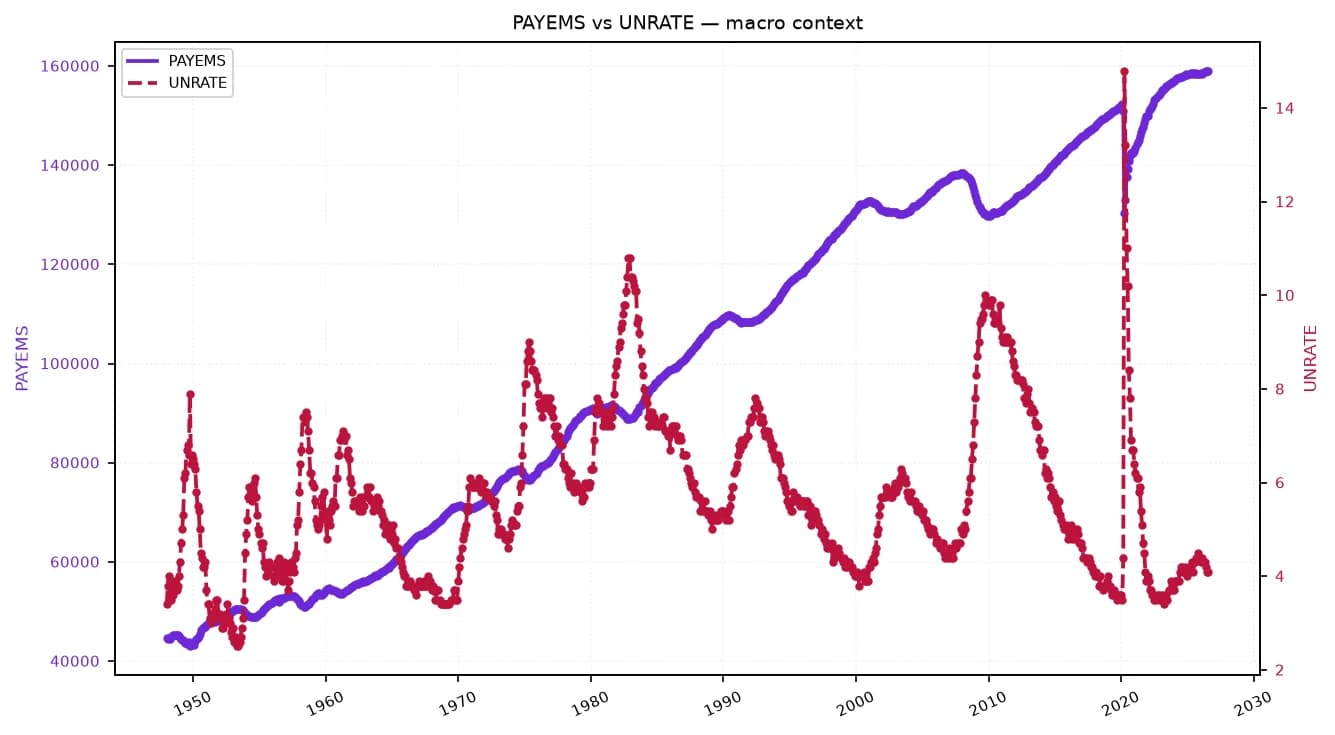
The basic economic story is simple: employers want flexibility, and in many industries they are getting it by relying on contractors, freelancers and workers stuck in jobs with little or no career path. That matters because it changes the economics of hiring. Firms can trim payroll costs, sidestep some benefits and keep headcount adjustable when demand slows. For investors, that usually helps margins in the near term, but it can also mean weaker loyalty, higher turnover and lower productivity over time.
Sentiment IndicatorsⓘProprietary · adalytica.com · September 8, 2026
This is a snapshot — live sentiment, awareness and momentum for 130+ markets update continuously in the dashboard.Open AlphaPulse
A labor economist cited in the research estimates that about 57 million U.S. workers, out of a workforce of 162 million, are treated as disposable. The group includes three broad buckets: contractors working through staffing firms, organizational freelancers such as app-based drivers and delivery workers, and marginal employees such as staff attorneys and adjunct professors whose jobs are designed without a real promotion ladder. Contractors make up 13% of the workforce, freelancers 5% and marginal workers 17%.
That is a big enough share to matter for the entire economy, not just for low-wage employers. The rise of adjunct faculty is a case in point: in 1970, 73% of college instructors were in tenure or tenure-track roles, but by 2021 that share had fallen to 32%. In other words, even sectors that once sold stability now run on contingent labor. That may save money, but it also leaves workers with less income security and fewer incentives to invest in the job.
Part-time work tells the same story. These jobs pay nearly 20% less than full-time positions after accounting for age, education, occupation and industry, and the gap widens when benefits are included. Research after the Affordable Care Act showed employers in retail, hotels and restaurants added about 500,000 part-time workers as businesses adjusted staffing to avoid health insurance costs tied to full-time schedules.
For long-term investors, the implications cut both ways. Companies that depend heavily on disposable labor can look efficient in a downturn, especially when margins are under pressure and consumer sentiment is fragile. But a model built on churn can also be fragile. Higher turnover raises recruiting and training costs, and it can hurt service quality, safety and customer experience. The research cited examples of higher hospital infection rates when cleaners are contractors and more industrial accidents when companies rely heavily on outside labor.
That is why this trend should not be dismissed as just another labor-market quirk. It is part of a broader reconfiguration of employment that favors cost control over commitment. In the short run, that helps employers protect earnings. In the long run, it can weaken the very workforce that supports growth.
Investors should watch which companies can use flexible labor without degrading their brands or operations, and which businesses are simply masking a structural labor weakness with lower pay and less security. The winners are likely to be firms that pair flexibility with real workforce investment. The losers are the businesses that confuse disposable labor with durable competitive advantage.
| Entity | Gains | Losses |
|---|---|---|
| Employers | ▲Lower labor costs | ▼Higher turnover risk |
| Contractors and part-timers | ▲More job openings | ▼Weaker pay and security |
| Consumers and patients | ▲Lower prices in some services | ▼More variable quality |
| Long-term investors | ▲Short-term margin support | ▼Potentially weaker durability |