Employee-owned companies appear to deliver one of the clearest business benefits to workers and employers alike: safer workplaces, lower turnover and stronger engagement, a case that is gaining renewed traction as advocates push to expand employee stock ownership plans across the U.S.
ESOP companies linked to fewer safety incidents
The argument is economic as much as social. A worker-owned model can reduce accident rates, improve retention and make employees more willing to participate in daily operations and safety decisions, all of which can lower costs for companies over time. That matters at a moment when businesses are still grappling with labor shortages, higher training costs and the expense of workplace injuries.
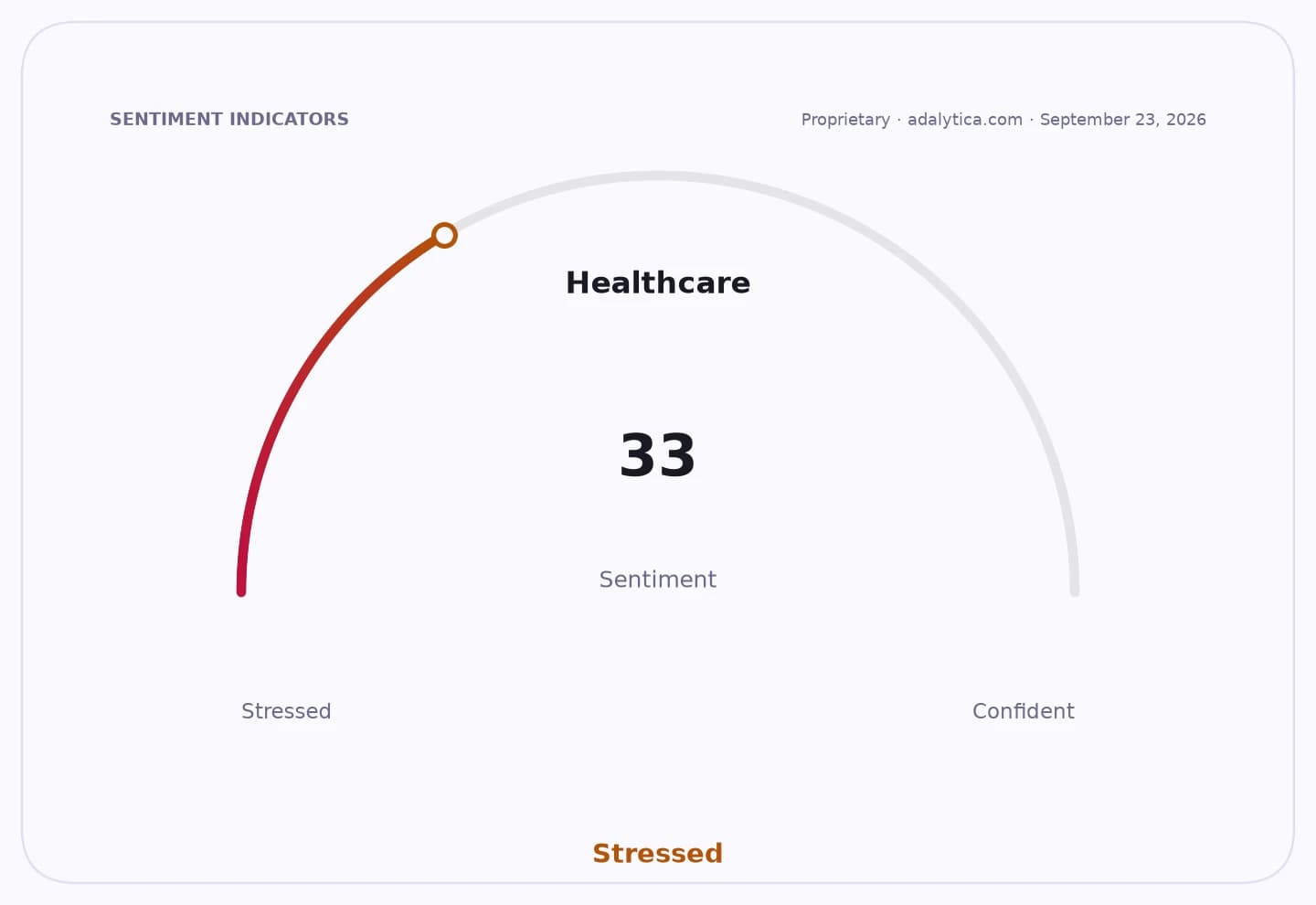
Sentiment IndicatorsⓘProprietary · adalytica.com · September 8, 2026
This is a snapshot — live sentiment, awareness and momentum for 130+ markets update continuously in the dashboard.Open AlphaPulse
The case was brought into sharp relief by Marquis Spivey, a lead electrical technologist at S&C Electric Co. in Chicago, who described helping save a co-worker’s life during a cardiac arrest after team training kicked in on the company radio. S&C is employee-owned through an ESOP, a federally regulated retirement plan that allows companies to share ownership with workers. Spivey said the ownership structure helps foster a culture where “everyone takes pride in safety.”
That view is backed by research cited in the op-ed: companies with ESOPs have up to 13% fewer workplace safety incidents than firms without them, and injury and illness rates tend to fall materially within two years of adoption. Researchers attribute the gains to lower employee turnover and greater involvement in management decisions — factors that can translate into better execution, less disruption and stronger productivity.
For investors and corporate boards, the relevance is broader than the worker-relations message. Employee ownership can be a stabilizing force in labor-intensive businesses, potentially supporting margins by cutting hiring and training churn while reducing claims, downtime and lost output. It can also align management and labor around long-term value creation, an increasingly attractive proposition as companies face pressure to prove they can grow without eroding safety or morale.
The policy backdrop also matters. There are only 301 ESOP companies in Illinois, according to the piece, and nearly 100 organizations are now involved in the Expanding ESOPs coalition. That suggests the structure remains underpenetrated relative to the scale of the U.S. labor market, even as advocates argue it should be more widely used as a tool for wealth building and workplace resilience.
The bullish case is that employee ownership helps create more durable companies and more committed workforces, particularly in industries where safety and retention are central to earnings quality. The bear case is that ESOPs are not a cure-all: they can be complex to structure, difficult to finance and, if poorly governed, can concentrate risk for workers whose jobs and retirement savings are tied to the same employer.
Still, the central message for investors is that ownership structure can affect operating performance. As labor costs remain sticky and employers search for ways to improve safety and retention, ESOPs are emerging as a credible model for companies that want to protect workers while building more stable cash flows.
| Entity | Gains | Losses |
|---|---|---|
| ESOP companies | ▲lower turnover, safer operations | ▼higher structuring complexity |
| Workers | ▲ownership stakes, stronger safety culture | ▼concentration of job and retirement risk |
| Employers | ▲better retention, lower incident costs | ▼added governance and funding burdens |
| Non-ESOP rivals | ▲— | ▼relative labor-retention disadvantage |