The most dangerous part of an economic crisis is often not the shock itself, but the business model that grows around it.
US Dollar, S&P 500, Treasuries and crisis economics

That is the warning from Egyptian economist Adel Al-Kilani, who said repeated crises can harden into a durable structure of winners and losers, creating what he called a “utilitarian interest class” that profits from distortion, rents and disorder — and then fights reforms that would end those gains.

For investors, that matters because crises are not just policy failures; they can become a source of market power. The longer an economy stays stuck in instability, the more likely capital, credit, foreign exchange and basic goods get controlled by players able to extract returns from scarcity rather than productivity. That tends to widen inequality, slow real growth and keep inflation sticky, all of which are bad for long-term valuations.
The broader backdrop fits that thesis. Global billionaire wealth has climbed to a record $15.1 trillion, even as the real economy in many places remains sluggish. That split is exactly the kind of environment Al-Kilani is describing: asset owners and insiders can compound wealth while households face weaker purchasing power and fewer opportunities.
FEDFUNDS vs CPIAUCSL — macro contextadalytica.com
Explore this data interactively — full history, time series and cross-market comparisons.Open AlphaPulse

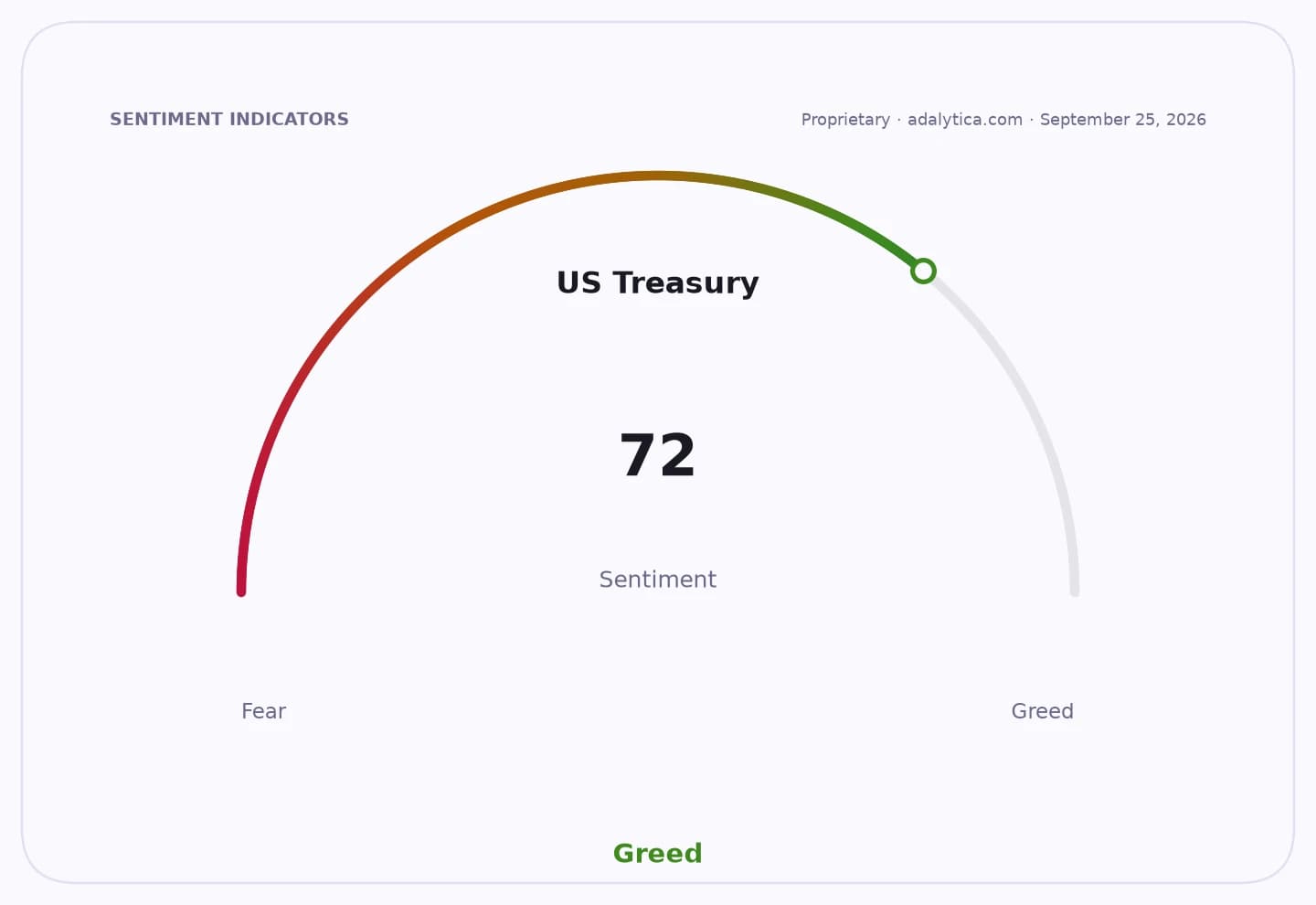
It is also visible in markets. The US dollar has been strong, with trade-signal readings from Adalytica.com showing “Greed” sentiment, while the S&P 500 remains elevated even after recent volatility. At the same time, Treasury prices have been under pressure, with the iShares 20+ Year Treasury Bond ETF near the low end of its recent range as the 10-year yield holds around 4.8%. That combination tells you investors are still pricing a world where policy, inflation and growth remain unsettled.
Why does this matter economically? Because reform becomes harder once a crisis creates beneficiaries. If firms, traders, intermediaries or politically connected groups earn outsized returns from shortages, depreciation or regulatory gaps, they have every incentive to block stabilization. That can trap an economy in a low-growth loop where inflation, weak investment and poor productivity reinforce one another.
Why does it matter to investors? Because the best long-term returns usually come from economies that reward innovation, competition and cash flow — not from systems where scarcity itself is the moat. Companies with strong balance sheets, pricing power and genuine competitive advantages can thrive in that environment. But broad exposure to chronically distorted economies can be a value trap, especially if nominal growth masks weak real growth.
The lesson for investors is not to trade every crisis, but to recognize when instability is becoming structural. In years of repeated shocks, the winners are often the assets that protect purchasing power: high-quality equities, diversified index funds, hard assets and businesses tied to secular growth. The losers are usually the households and companies left dependent on cheap financing, policy favors or economic luck.
Al-Kilani’s point is a useful one for anyone thinking beyond the next headline: crises can eventually create their own constituency. For long-term investors, that is exactly why durable, productive businesses — and disciplined diversification — remain worth holding through the noise.
| Entity | Gains | Losses |
|---|---|---|
| Asset owners | ▲Wealth concentration | ▼Broader households |
| Reformers | ▲Crises as warning signs | ▼Crisis beneficiaries |
| High-quality equities | ▲Pricing power, resilience | ▼Distortion-prone businesses |
| Treasury bulls | ▲Safe-haven demand | ▼Rate-sensitive bond holders |