Healthcare workers are increasingly being forced to make the same painful tradeoffs as their patients as U.S. health insurance premiums keep rising, with employers expecting another 8.2% jump in 2027.
U.S. health premiums rise for healthcare workers

That matters because the increase adds to a cost spiral that is already squeezing wages, hiring budgets and household spending across the healthcare sector. For physicians, nurses and small medical practices, premiums are becoming a direct operating expense rather than an employee benefit, while insurers and managed-care companies face a tougher mix of enrollees as healthier people opt out.
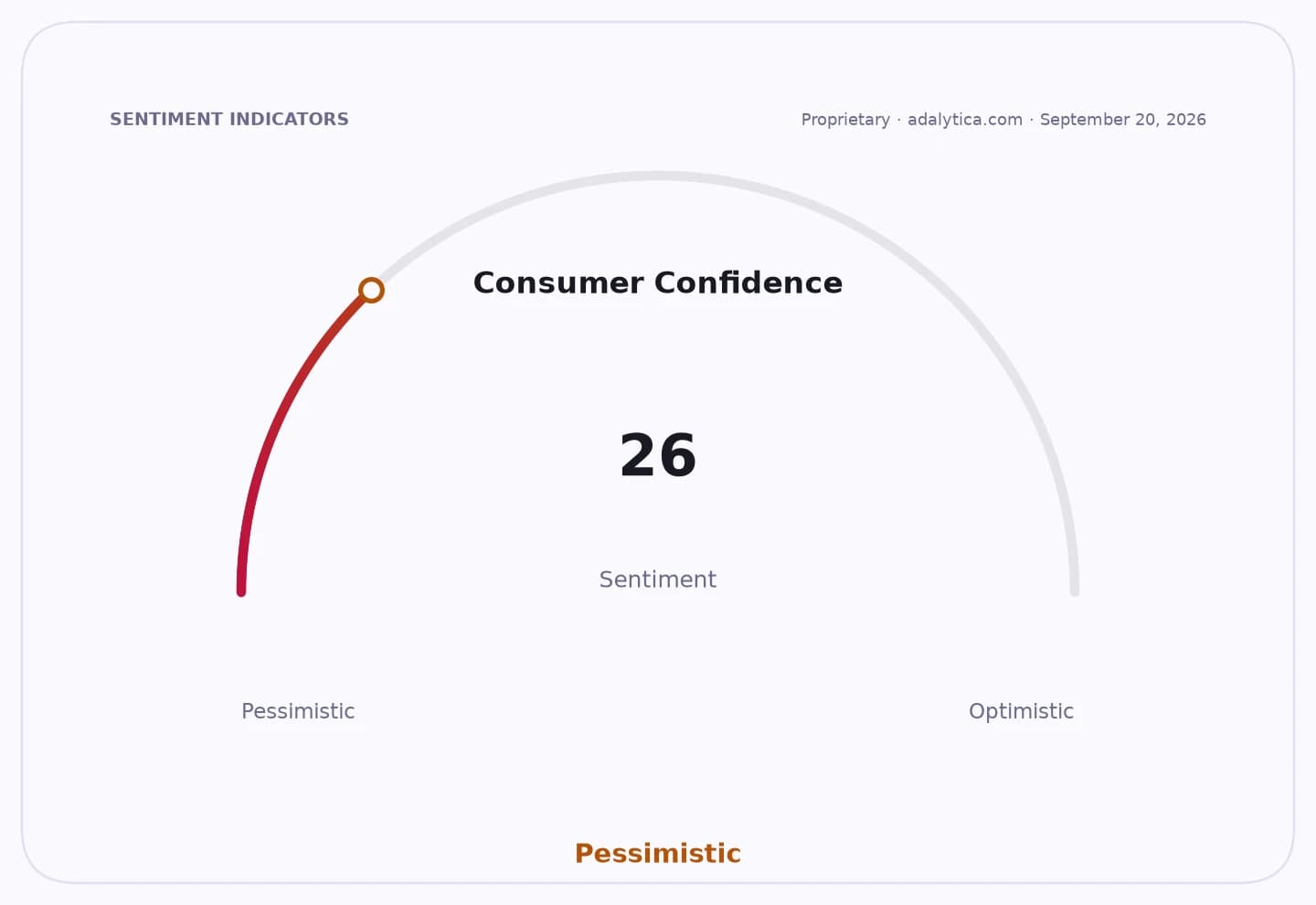
Sentiment IndicatorsⓘProprietary · adalytica.com · October 1, 2026
This is a snapshot — live sentiment, awareness and momentum for 130+ markets update continuously in the dashboard.Open AlphaPulse
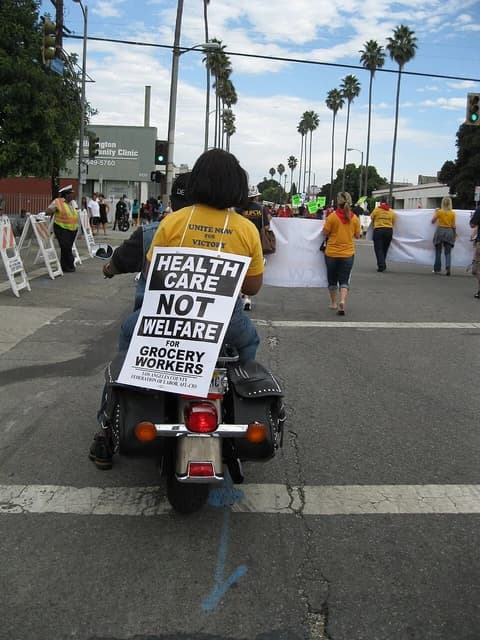
The pressure is showing up in real life. Joshua and Ashley Durham, who run a family medicine practice in Boise, said their monthly marketplace premium climbed to nearly $1,600 this year, forcing them to drop coverage and pay out of pocket instead. Samantha LeGault, a nurse practitioner at a Boise clinic, said her family’s monthly premium payment doubled to $1,500, consuming about one-fifth of her income.
Healthcare workers are not immune to the broader erosion in affordability. KFF analysis cited in the report found 7% of healthcare workers were uninsured in 2024, below the 11% rate for all adults under 65, but still a meaningful share in an industry long considered more likely to offer coverage. Doctors were least likely to go uninsured at just 2%.
The policy backdrop is amplifying the strain. Republican lawmakers did not renew pandemic-era Affordable Care Act marketplace subsidies, which had cut premiums for many people working at small businesses and independent practices. The Congressional Budget Office has estimated the number of uninsured Americans will rise by roughly 15 million over 10 years because of the expiring subsidies and cuts in President Donald Trump’s One Big Beautiful Bill Act.
For investors, the story points to a more expensive but potentially less profitable insurance market. Health plans can pass through some costs with higher premiums, but the shrinking, sicker risk pool raises claims pressure and can force further price increases. The SEC filings of UnitedHealth, Cigna and CVS Health all flag rising medical cost trends and premium pricing as central issues, underscoring how the inflation in healthcare expenses is moving through the sector.
Market-wise, the signal is mixed. Higher premiums can support top-line growth for insurers and managed-care companies, but they also raise the risk of adverse selection, tougher regulation and more consumer backlash over affordability. Employers, especially smaller medical practices, may respond by cutting richer coverage, shifting more costs to workers or offering higher wages instead of insurance.
The next catalyst is the coming round of 2027 rate setting and any renewed push in Washington to extend ACA subsidies or impose new cost controls. If premium growth stays above wage growth, more employers and healthcare workers may decide that standard coverage is no longer worth the price.
| Entity | Gains | Losses |
|---|---|---|
| Health insurers | ▲Higher premiums and revenue | ▼Larger claims risk from sicker pools |
| Healthcare employers | ▲Flexibility to redesign benefits | ▼Higher compensation and retention costs |
| Healthcare workers | ▲Potentially higher wages if benefits are cut | ▼Household budgets and access to coverage |
| Uninsured consumers | ▲None | ▼More people priced out of coverage |