A push to assemble a non-profit real estate portfolio is landing as U.S. housing costs remain elevated, even after the latest pullback in homebuilding activity points to a softer construction pipeline ahead.
U.S. Housing Costs Stay High as Starts Slow
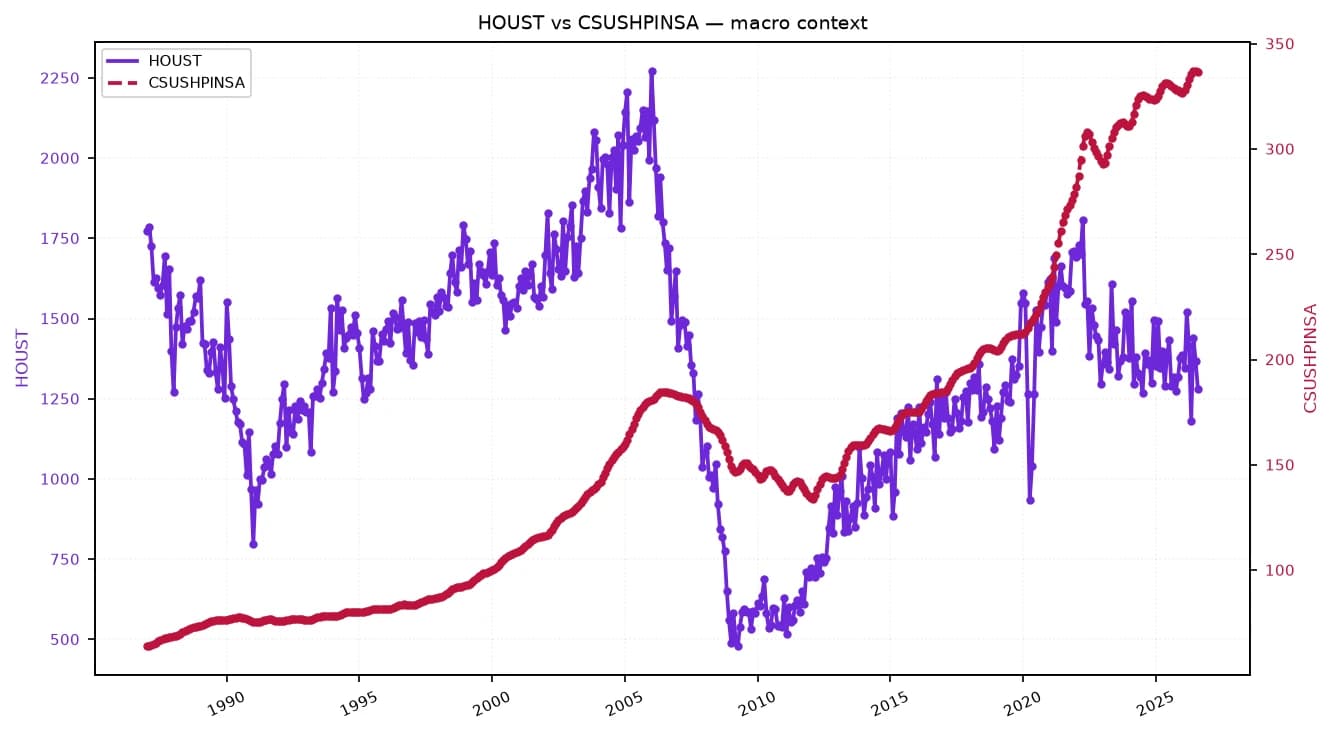
That combination matters because shelter is still one of the biggest drivers of inflation and one of the most important cost pressures for households, landlords and lenders. A non-profit owner with a growing footprint can help preserve affordability in markets where conventional capital has kept rents and prices high, while also changing how investors think about cash flow, yield and asset control in the housing complex.
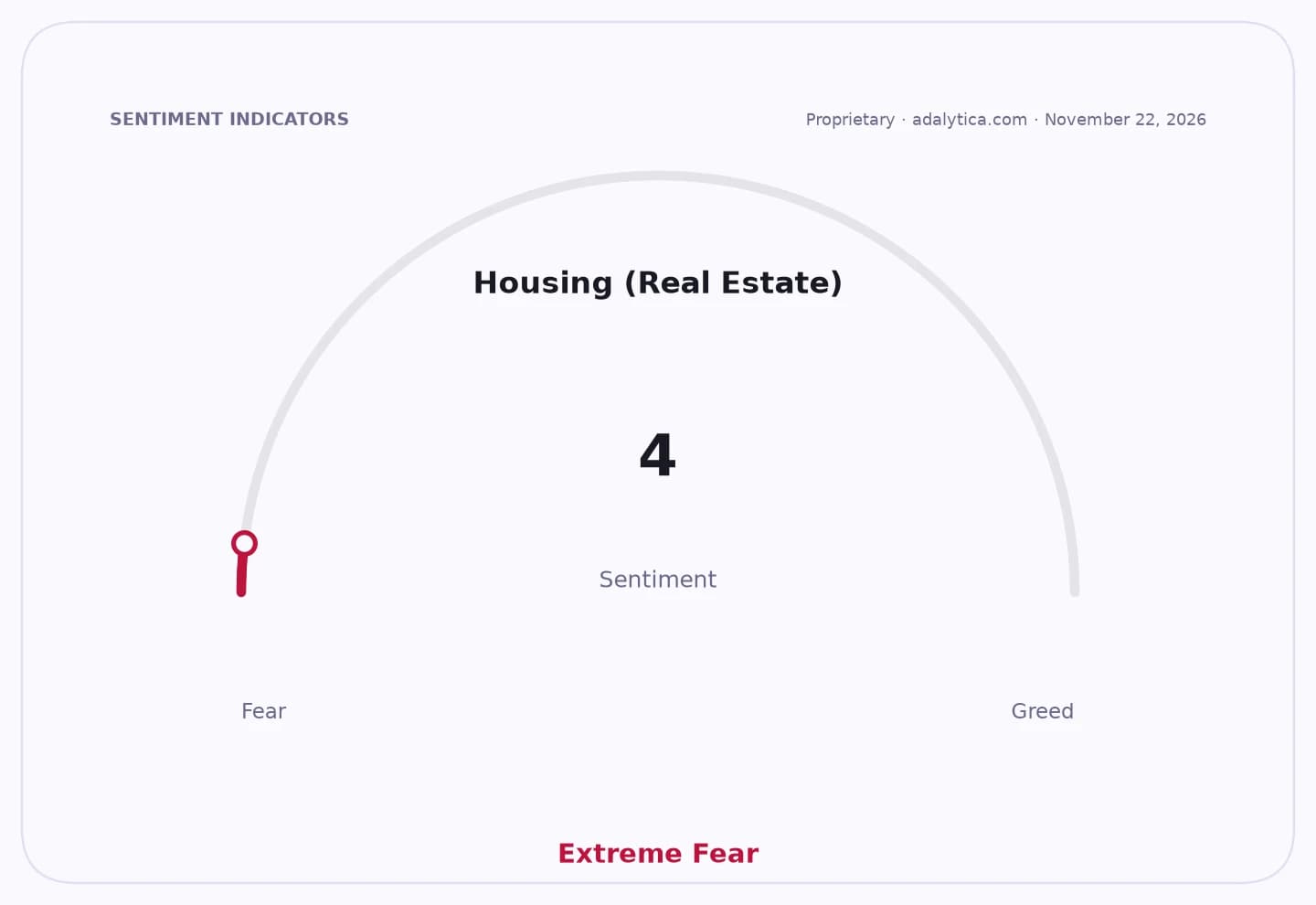
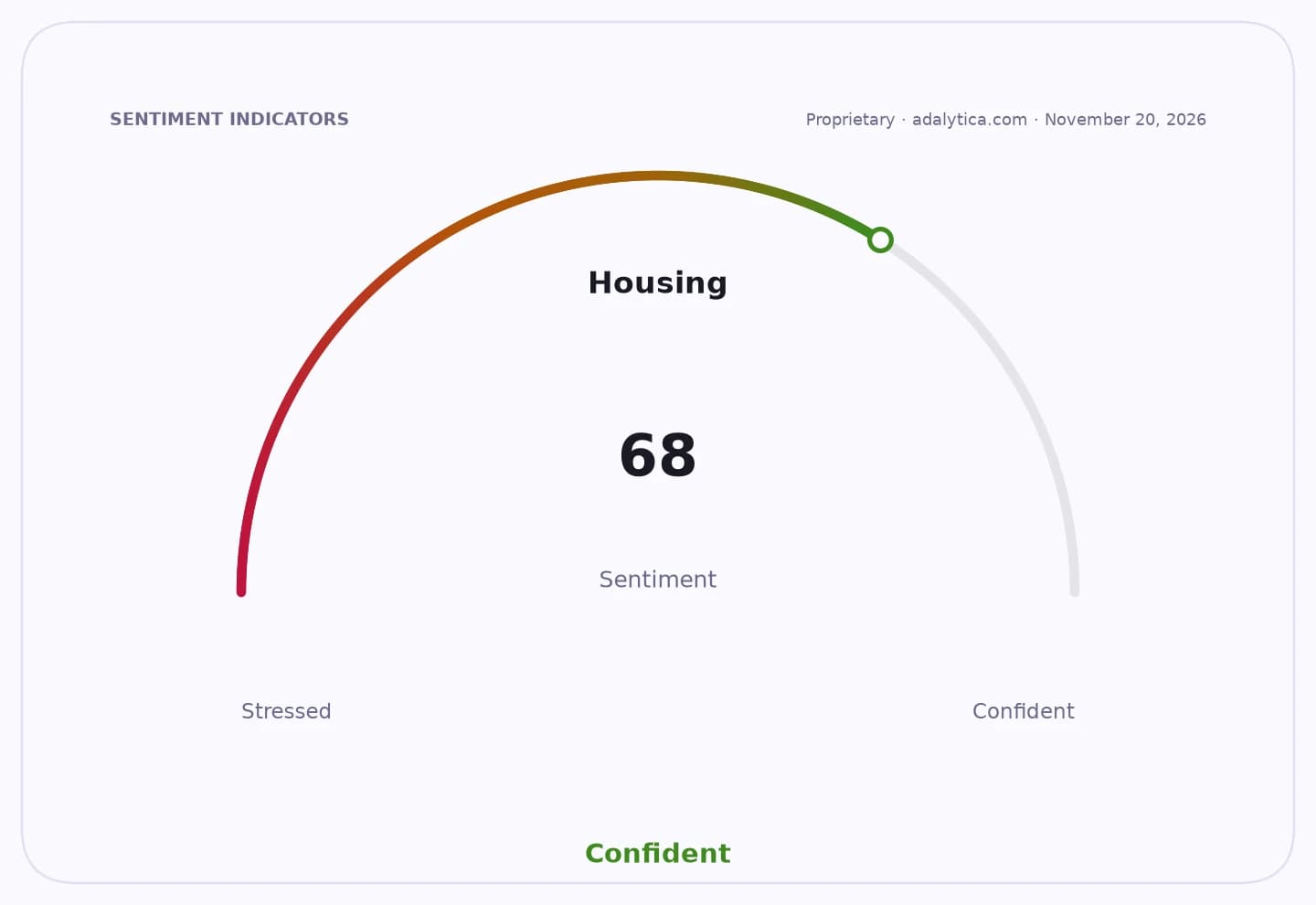
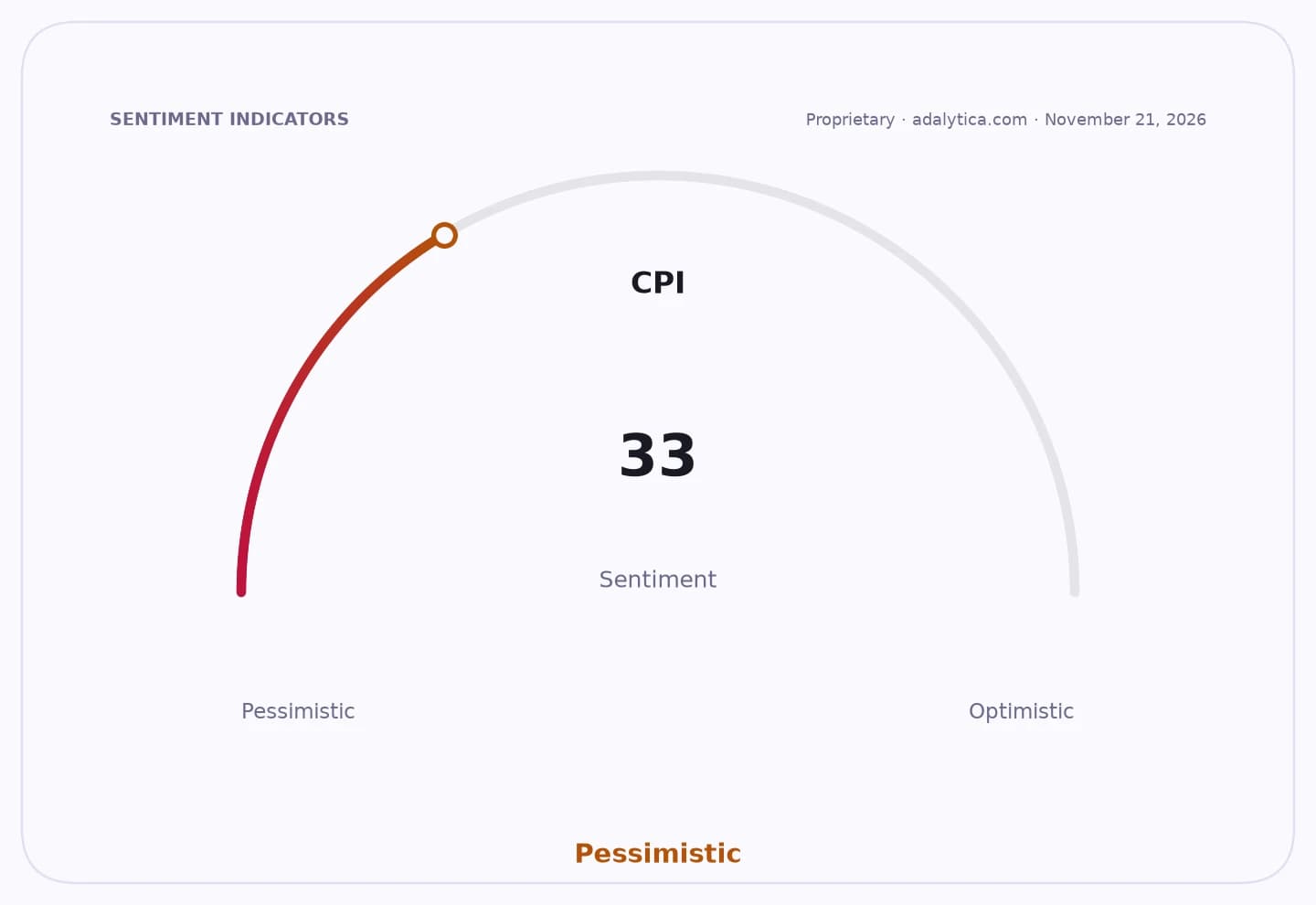
Sentiment Indicators
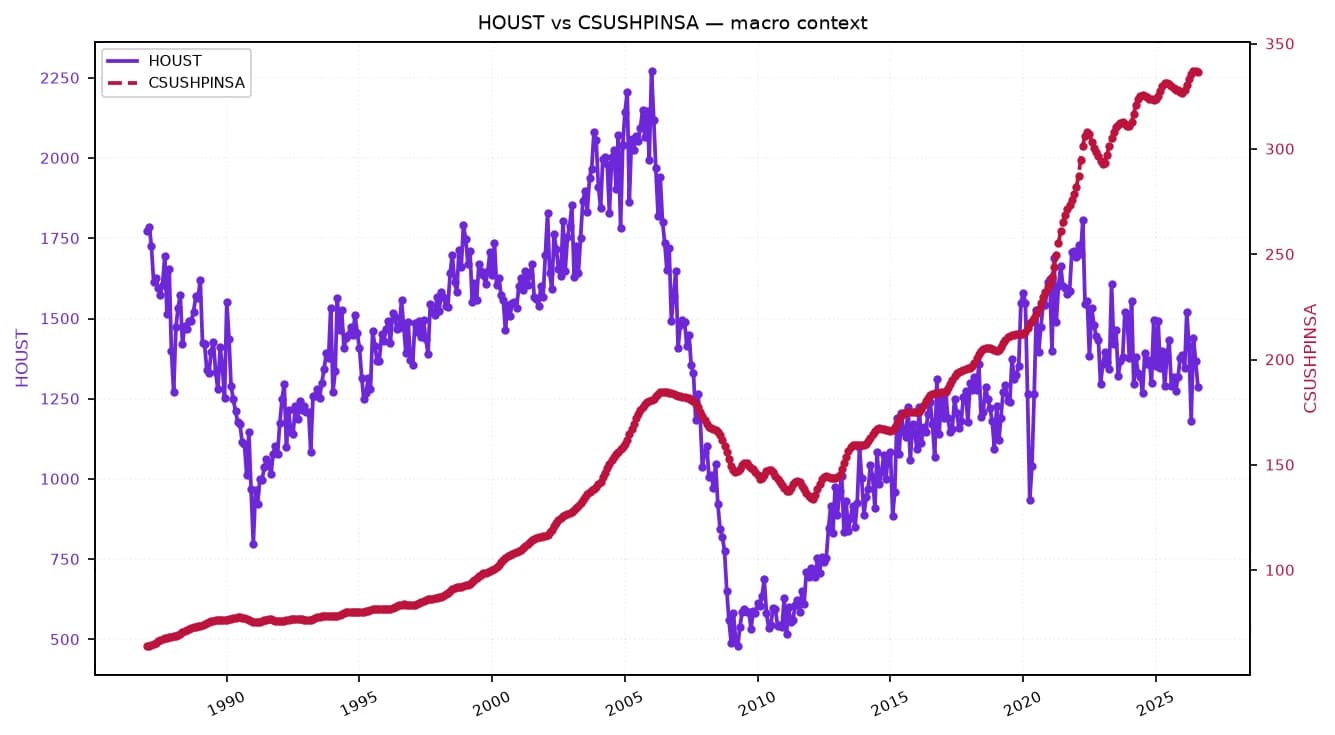
The economic backdrop is mixed but still supportive of demand for affordable and workforce housing. The S&P CoreLogic Case-Shiller U.S. National Home Price Index stands at 336.741, near record territory and up sharply from pre-pandemic levels, while the consumer price index has risen to 337.476, underscoring how sticky broad price pressures remain. At the same time, U.S. housing starts are forecast to fall to 1.186 million in November from 1.309 million in October, suggesting builders are not flooding the market with new supply.
For investors, that keeps the spotlight on owners with pricing power and stable tenant demand. Vanguard Real Estate ETF VNQ has recovered to 95.18 after an October slide, and technical readings show the fund back above its 50-day and 200-day moving averages, while its relative strength index has cooled from overbought levels. Adalytica’s Commercial REIT Sentiment gauge, however, remains neutral at 46, with awareness still subdued, suggesting the sector has not yet regained broad conviction.
Single-family rental landlord American Homes 4 Rent AMH has also held up, with shares around 32.11 and its 50-day and 200-day moving averages clustered near current levels, pointing to a market that is still treating rental housing as a defensive income play. Equity Residential ELS is trading at 61.68, below its 200-day average of 62.61 but above its recent lows, reflecting the same tension between resilient demand and higher financing costs.
The broader implication is that affordable housing is becoming not just a social-policy theme but a capital-allocation story. If Levesque can expand a non-profit portfolio at scale, it could offer a model that competes with private landlords on access and mission rather than rent growth alone, even as construction and price data show the housing shortage is still far from resolved. The next catalysts are November housing data, inflation readings and any disclosure on acquisition pace, financing structure and geographic focus.
| Entity | Gains | Losses |
|---|---|---|
| Non-profit housing portfolio | ▲Affordable asset access | ▼Profit maximization |
| Renters and lower-income households | ▲More affordable supply | ▼Rent pressure |
| Private landlords/REITs | ▲Sector validation | ▼Pricing power |
| Builders and lenders | ▲Stable demand | ▼Slower starts |