The US government’s planned change to its inflation methodology could shave about two-tenths of a point off the Federal Reserve’s preferred core PCE measure, a shift with immediate implications for rate policy, asset prices and confidence in official statistics.
US Inflation Method Change Could Lower Core PCE

The adjustment, set to take effect with the August inflation report due in September, may look technical, but in markets it is anything but. Economists say the change would lower the core PCE inflation rate by around 0.2 percentage point versus the old method, a difference large enough to influence whether the Fed feels it can keep policy on hold or resume tightening.
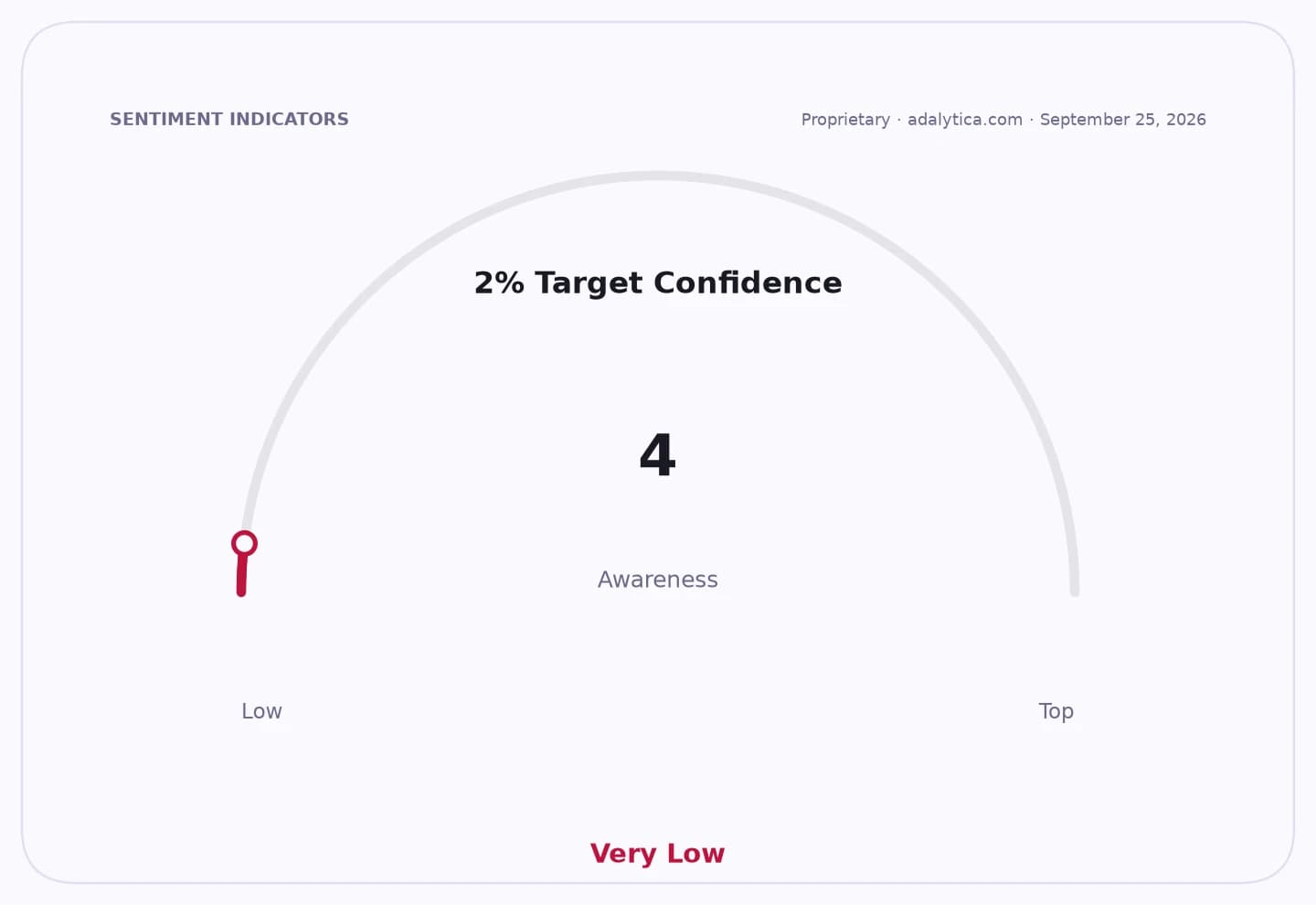
Sentiment IndicatorsⓘProprietary · adalytica.com · September 6, 2026
This is a snapshot — live sentiment, awareness and momentum for 130+ markets update continuously in the dashboard.Open AlphaPulse
That matters because the Fed is already sitting at a 3.63% policy rate, according to the latest data, and investors are parsing every basis point in the inflation path for clues on the next move. A lower reading in the index most closely watched by policymakers would strengthen the case for a pause, while helping the White House avoid an inflation print that would be politically awkward after the 2022 cost-of-living shock.
The risk for markets is that any perception of methodological interference can be almost as damaging as the data itself. The Wall Street Journal has said economists and investors are on high alert for signs that political pressure is creeping into the statistical process. That concern is not academic: inflation measures shape real yields, bond pricing and equity valuations, and they affect whether investors continue to treat stocks as a hedge against eroding purchasing power.
The stakes are also broader than one release. The history of US price measurement shows that seemingly small methodological choices can materially alter the story told by the data. Analysts have long debated how earlier inflation methods would have described the post-pandemic surge; one widely discussed 2024 study involving former Treasury Secretary Larry Summers argued the 2023 inflation peak would have looked far worse under the 1983 framework. That history has made the statistical process a recurring flashpoint.
For investors, the immediate issue is not just whether the new method depresses core PCE by 0.2 point, but what it says about the integrity of the policy framework. If the market concludes that official inflation is being massaged lower, Treasury yields could reprice on a credibility premium, while equities may get a short-term boost from easier-rate expectations even as longer-term confidence erodes.
The SPDR S&P 500 ETF Trust, or SPY, has been trading near 770, above its 200-day moving average around 710, reflecting a market that remains broadly supported. But the latest technical readings also show momentum has cooled from earlier highs, leaving stocks sensitive to any surprise in inflation or the Fed’s reaction function. By contrast, long-duration Treasuries, tracked by TLT, have been soft, with the fund near 82 and below its 200-day moving average, suggesting bond investors still want clearer evidence that inflation is contained.
The deeper issue is political economy. The administration stands to benefit if the revised methodology keeps headline and core inflation looking calmer, but households do not pay bills based on a synthetic index. They experience the prices of the goods and services they actually buy, which can diverge sharply from the official basket. That gap can widen distrust if consumers feel their lived inflation is higher than the government reports.
The market will therefore watch not only the August release but also any explanation from statistical agencies about why the change is being made now, what items are being reweighted or reclassified, and whether the revision affects the Fed’s preferred gauge in a way that looks methodical or opportunistic. If the change is perceived as technically defensible, it may simply nudge policy expectations lower. If it is seen as political, it risks becoming part of a much larger debate over whether the data still deserve the market’s trust.
| Entity | Gains | Losses |
|---|---|---|
| US administration | ▲Softer inflation optics | ▼Credibility scrutiny |
| Federal Reserve | ▲Easier case for a pause | ▼Risk of politicized pressure |
| Equity investors | ▲Lower-rate support | ▼Data-trust uncertainty |
| Bondholders | ▲None if credibility weakens | ▼Higher term-premium risk |