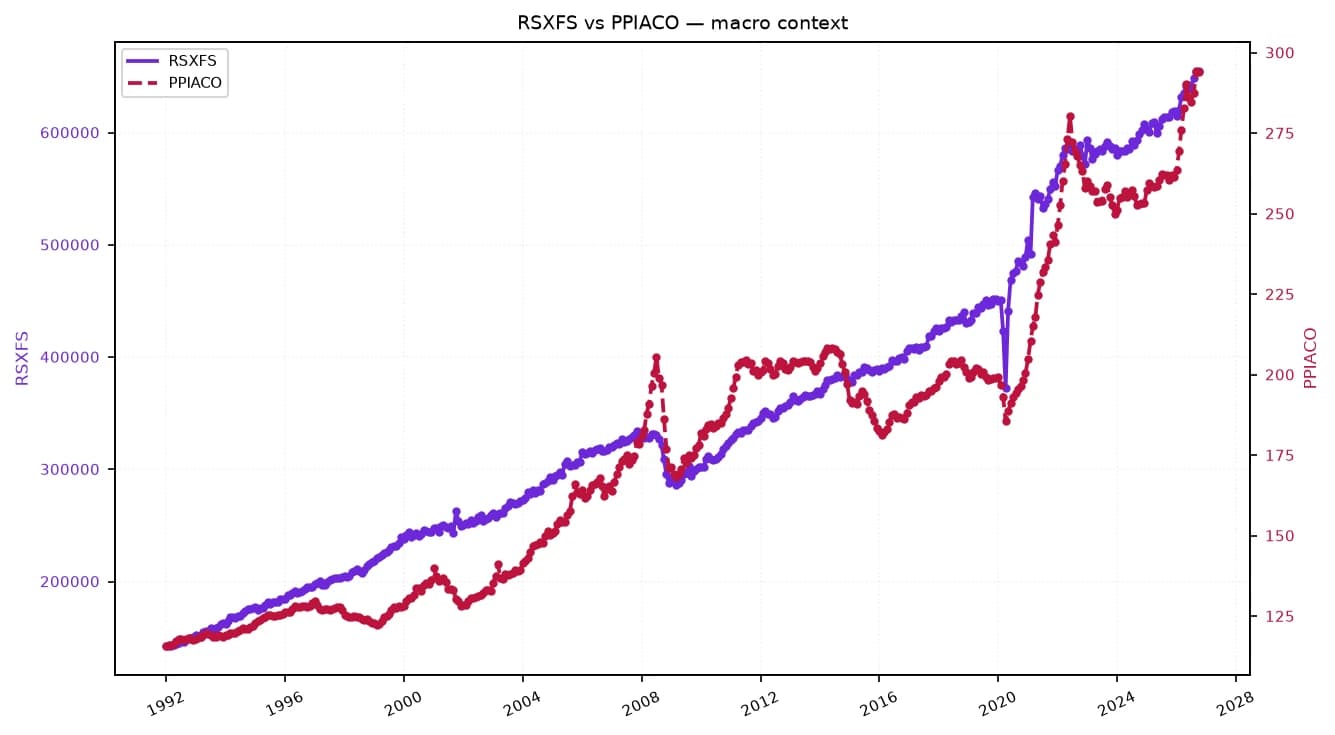
U.S. retail sales rose 0.2% in October, a touch above forecasts, adding evidence that American consumers are still spending despite higher borrowing costs and persistent inflation pressures.
U.S. Retail Sales Rise 0.2% in October
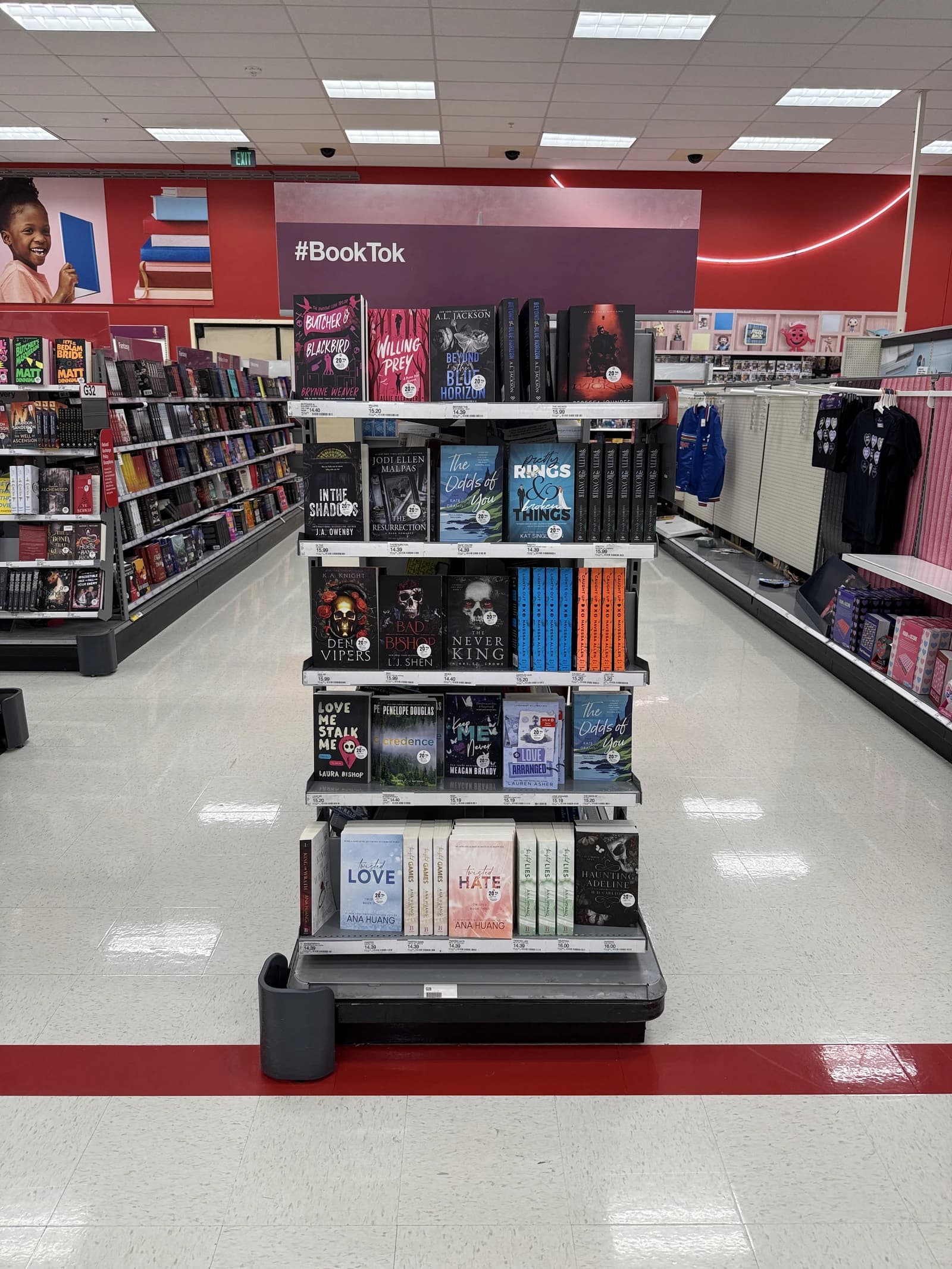
The gain, while modest, matters because consumer outlays remain the biggest driver of the U.S. economy. The Commerce Department’s report showed sales excluding autos jumped 0.6%, also above expectations, suggesting demand held up across a broader swath of categories heading into the crucial holiday season.
Sentiment Indicators
For investors, the data reinforces the view that the economy is not cracking under the weight of tighter monetary policy. Stronger-than-expected retail sales can support growth estimates for the fourth quarter and may reduce the urgency for the Federal Reserve to cut rates quickly, even as markets continue to price a gradual easing path.
The report arrives against a backdrop of stubborn price pressure. Consumer prices were up 0.35% in October from September, according to the latest CPI series in the data context, while the fed funds rate stood at 3.88%, underscoring that spending is still happening in a relatively restrictive policy environment.
RSXFS vs CPIAUCSL — macro contextadalytica.com
Explore this data interactively — full history, time series and cross-market comparisons.
Retail-focused stocks also have a read-through. The SPDR S&P Retail ETF, XRT, has been volatile but recently traded above its 50-day and 200-day moving averages, indicating the sector has found some support as investors look for signs that consumer demand can hold up into year-end.
Sentiment around consumer spending remains deeply negative, with Adalytica’s Consumer Spending Sentiment gauge in “Extreme Fear” territory at 7, but the hard data show households are still opening their wallets. The next catalyst is the November retail report, which will help determine whether October was a one-off or the start of a stronger holiday run.
| Entity | Gains | Losses |
|---|---|---|
| U.S. retailers | ▲Better sales momentum | ▼Weak demand narrative |
| Consumers | ▲More product availability/holiday activity | ▼Higher prices and rates |
| Fed officials | ▲Data to judge resilience | ▼Case for rapid rate cuts |
| Retail ETF XRT | ▲Support from spending data | ▼Risk if holiday sales disappoint |