America’s long run as the world’s default security provider is looking less like an assumption and more like a trade, and investors should treat that shift as a multi-year reallocation of capital toward defense, energy, infrastructure and hard assets.
U.S. security role shift boosts defense and energy

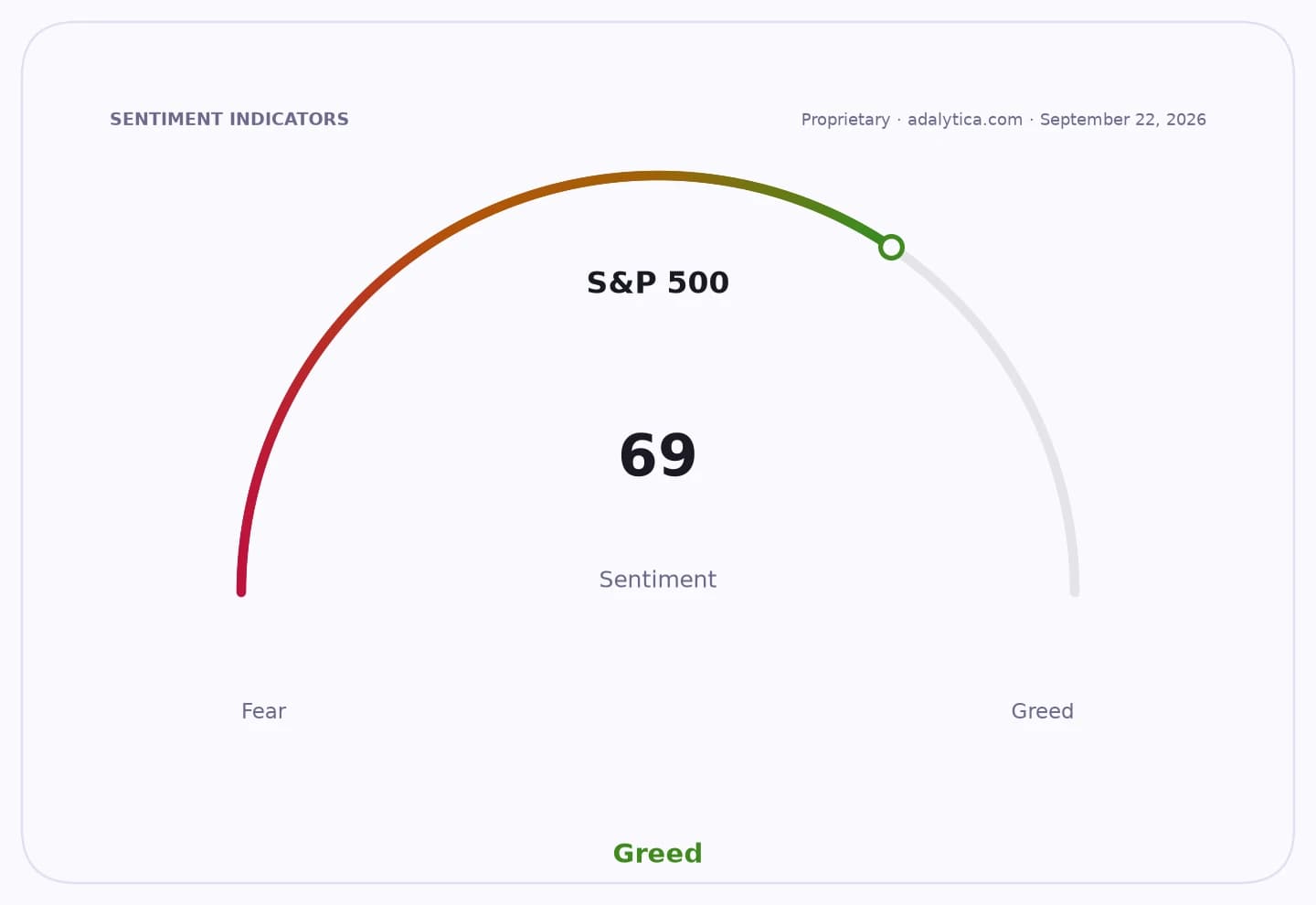
The clearest market read-through is not in geopolitics alone but in prices: the S&P 500, tracked by SPY, is still near record territory at 765.72, yet the rally has started to look technically stretched rather than uniformly healthy. Its 50-day moving average sits below the current price, but RSI readings in the high-50s after an August surge suggest momentum has cooled from overbought levels. That matters because markets rarely price a changing world order all at once. They rotate.
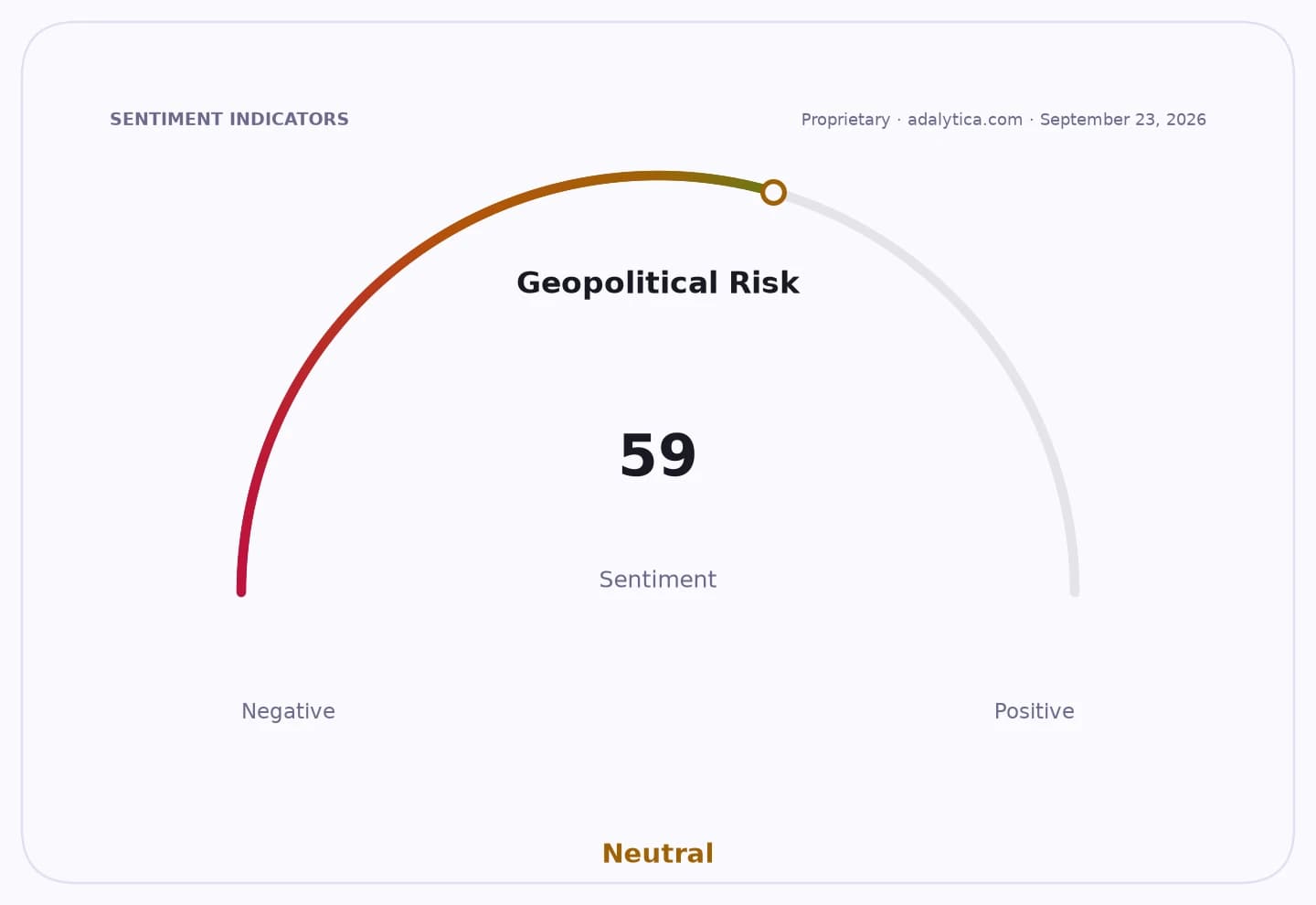
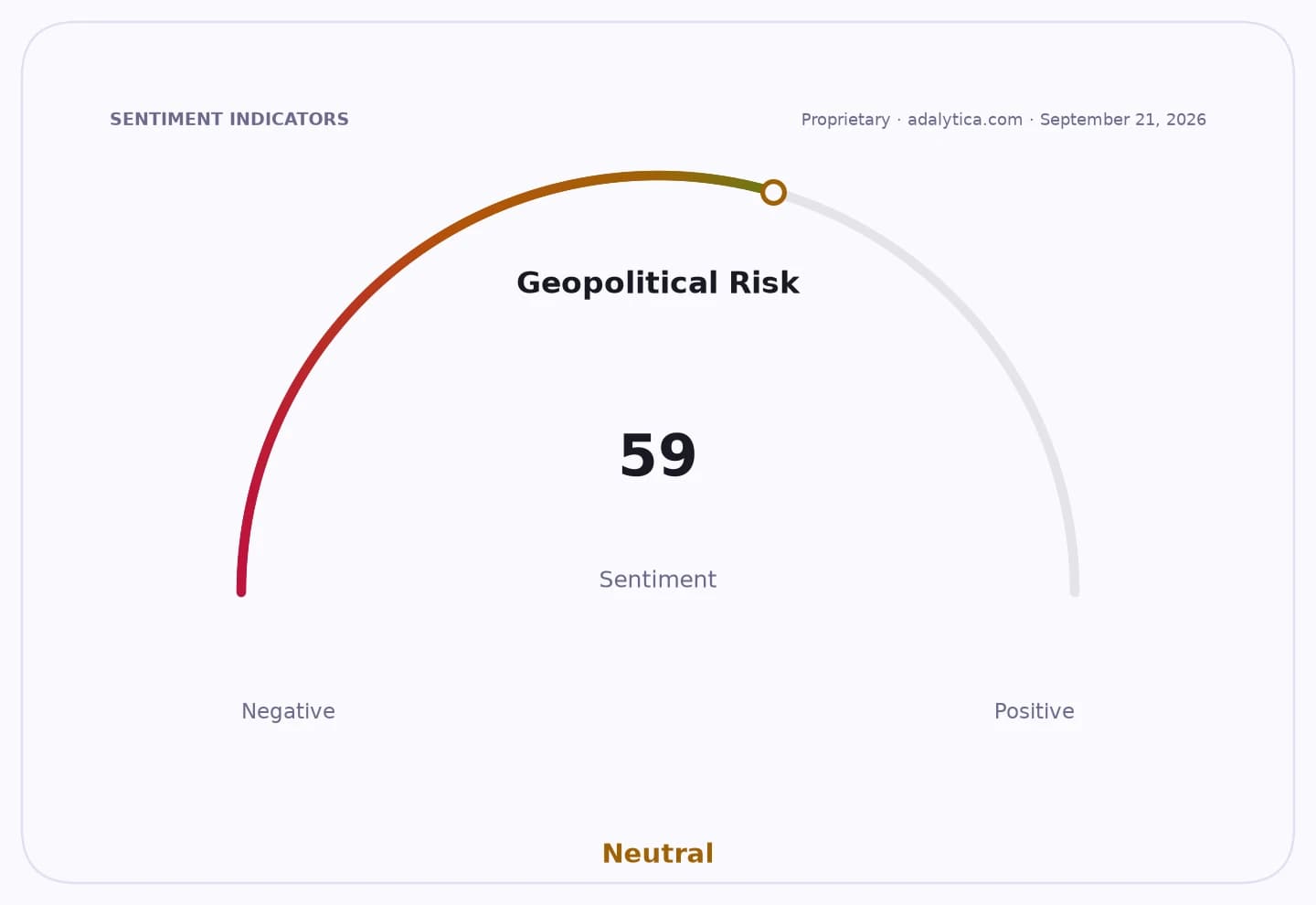
Sentiment IndicatorsⓘProprietary · adalytica.com · August 22, 2026
This is a snapshot — live sentiment, awareness and momentum for 130+ markets update continuously in the dashboard.Open AlphaPulse
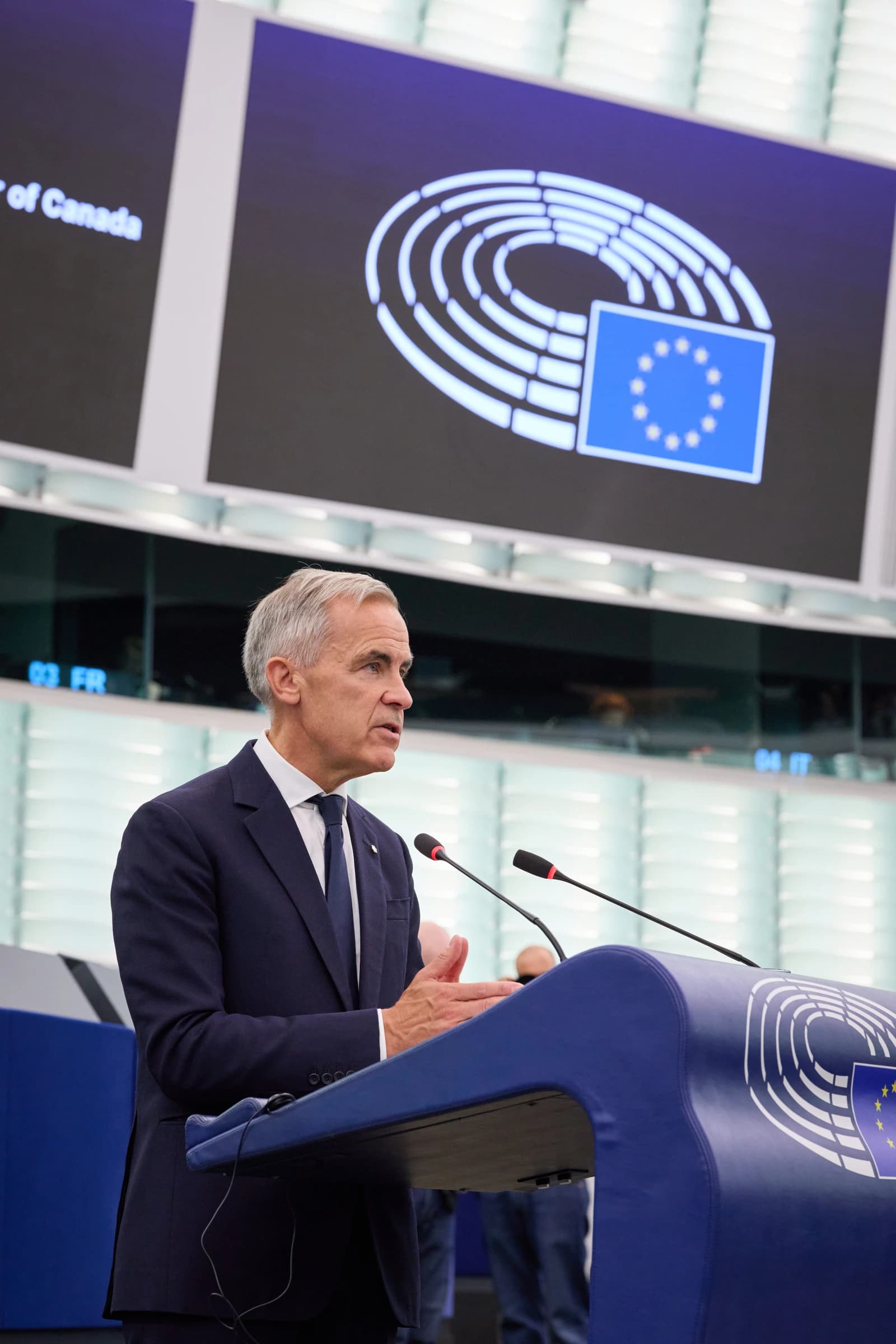
The bigger message is that the old security architecture is no longer being funded by a single power with unlimited patience. As Washington grows more selective, regional powers are stepping into the vacuum, each with its own agenda, and that raises the odds of a more fragmented, less predictable balance of power. For investors, fragmentation is not just a political concept. It drives higher defense budgets, more onshoring, more energy redundancy and more demand for logistics, satellites, cyber and industrial capacity.
That is why the best opportunities are likely to sit in the “picks-and-shovels” of a more contested world. Defense primes, missile suppliers, drones, secure communications and space infrastructure should keep drawing capital as Europe, the Middle East and Asia prepare for a world where American guarantees are less automatic. The same logic supports energy exporters and utilities tied to strategic resilience, along with companies that build grid hardening, ports, semiconductors and advanced manufacturing capacity.
The bond market is also telling its own story. TLT, the iShares 20+ Year Treasury Bond ETF, is still weak at 82.05, with its 50-day moving average below the current level and a 200-day trend that remains higher, a sign investors are still demanding caution on long-duration government debt. At the same time, the dollar has become unstable rather than decisively strong, with the USD fund showing extreme fear in Adalytica’s trade signals even after a violent swing higher earlier in the year. That combination points to a world in which capital is not fleeing the U.S., but it is no longer assuming the dollar and Treasuries are the only safe havens.
The real investing implication is that a more multipolar world usually rewards assets tied to scarcity, security and state-backed spending. The losers are the most exposed to complacency: companies dependent on frictionless trade, low geopolitical risk and cheap global transport. The winners are businesses that can charge for protection, redundancy and control over bottlenecks.
I believe the market is still underpricing how durable this transition can be. If America’s role as the global policeman continues to fade, then the next decade belongs to the firms that supply the armor, energy and infrastructure of a divided world. Investors should be positioned early in defense, energy security, industrials and strategic technology before the allocation shift becomes consensus.
| Entity | Gains | Losses |
|---|---|---|
| Defense contractors | ▲Higher orders | ▼Peace dividend |
| Energy and utilities | ▲Security spending | ▼Cheap-supply assumptions |
| Industrials and infrastructure | ▲Reshoring demand | ▼Global efficiency models |
| Multinational shippers/trade-sensitive firms | ▲— | ▼Geopolitical fragmentation |