Swiss AI researchers are increasingly being lured to US companies with starting salaries around 190,000 francs, underscoring how the global race for artificial intelligence is now pulling not just code and capital, but talent, out of Europe and into the hands of the biggest American platforms.
US Tech Attracts Swiss AI Talent

That matters because AI is only as powerful as the people building it. For investors, the story is no longer just about who spends the most on chips and data centers, but who can recruit the scientists and engineers needed to turn that spending into durable products, higher margins and faster revenue growth. The companies that win the talent war will be better positioned to convert AI hype into cash flow.
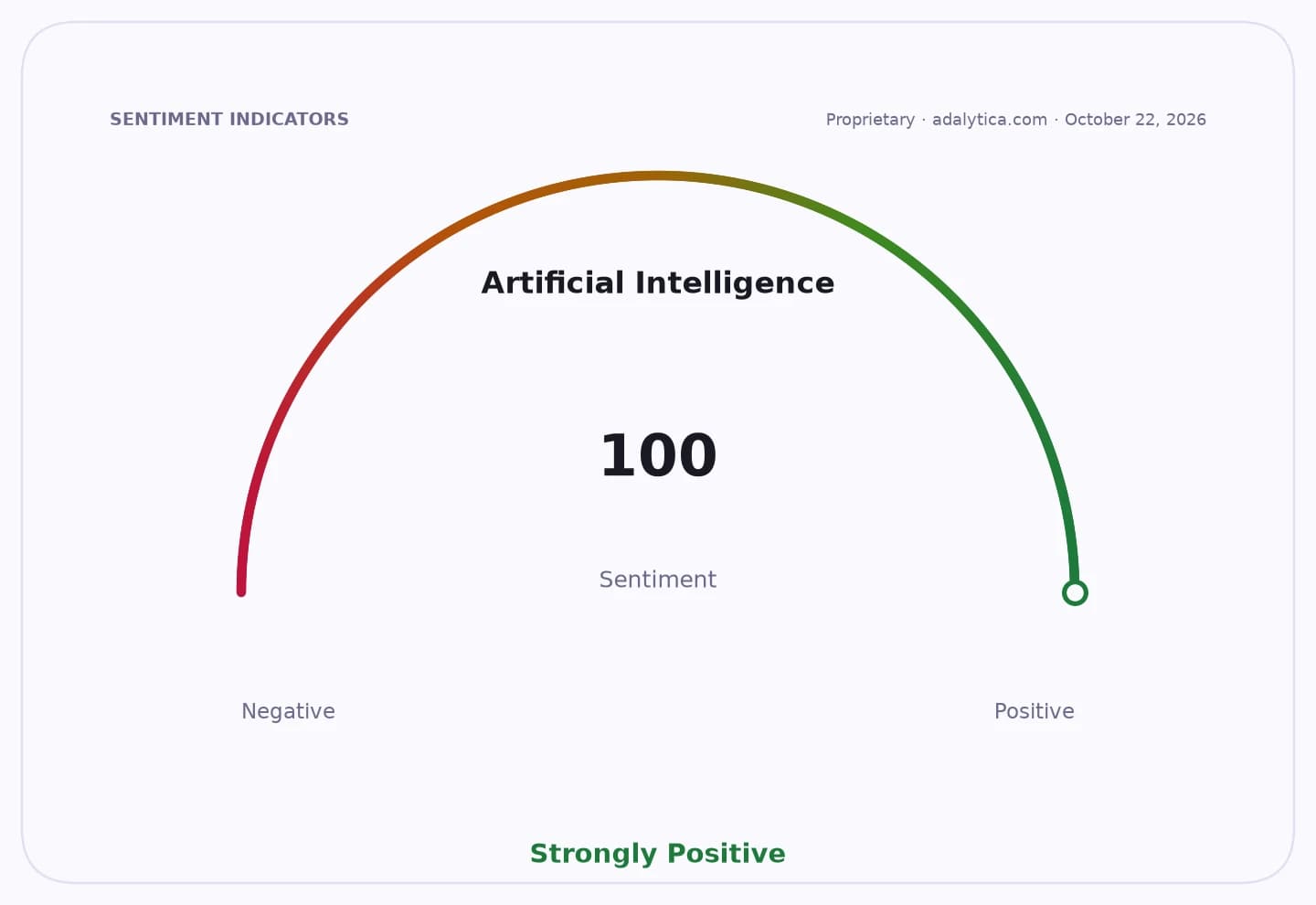
Sentiment IndicatorsⓘProprietary · adalytica.com · October 22, 2026
This is a snapshot — live sentiment, awareness and momentum for 130+ markets update continuously in the dashboard.Open AlphaPulse
Microsoft, Alphabet and Amazon are among the US giants already spending aggressively to secure that advantage. Microsoft shares, for example, have climbed back above both the 50-day and 200-day moving averages, reflecting investor confidence that AI can keep supporting earnings power even as the company continues to invest heavily. Amazon and Alphabet have shown similar resilience, with both names trading above long-term trend levels as investors continue to reward their AI and cloud franchises.
The pull from the US is especially significant for Europe because Switzerland’s ETH is one of the region’s best-known engineering pipelines. When graduates and researchers gravitate toward American pay packages, the risk is that Europe funds the training but the US captures the commercial payoff. That widens the competitive gap in a field that already favors scale, access to compute and the ability to pay top dollar.
It also helps explain why technology leaders keep flagging talent retention as a strategic issue in their filings. Microsoft has said the market for highly skilled workers is extremely competitive, while Amazon and Meta have made similar disclosures about hiring and keeping technical staff, including AI specialists. Those warnings are no longer boilerplate; they are part of the economics of the AI boom.
For investors, the immediate implication is that the biggest US platforms still have a meaningful structural advantage. They can pay up, hire globally and fold scarce talent into products that already reach billions of users. That does not guarantee success in AI, but it does increase the odds that their spending turns into something lasting.
The longer-term question is whether Europe can build enough incentives to stop the outflow or whether the region settles into the role of talent supplier to Silicon Valley. For now, the money is clear, the migration is real and the companies with the deepest pockets look set to keep winning.
| Entity | Gains | Losses |
|---|---|---|
| US tech giants | ▲Deeper AI talent bench | ▼Higher payroll costs |
| Swiss AI graduates | ▲Higher starting salaries | ▼Fewer local opportunities |
| ETH and Europe | ▲Global visibility | ▼Brain drain |
| Long-term investors in AI leaders | ▲Stronger product execution | ▼Greater competition for talent |